- Minimum order: 1 container (about 20 t)
- Ready to pack and ship
- Sample on request, where lawful
- Export documents supplied
Grades you can order now
| Grade | Form | Nicotine | Sugar | Available | $ / kg | |
|---|---|---|---|---|---|---|
| MMO | Loose leaf | 2.5% | 13–15% | 50 t | 8.10 | Order |
| MML | Loose leaf | 2.5% | 9–11% | 50 t | 8.35 | Order |
| NDB | Loose leaf | 2.5% | 7% | 50 t | 8.20 | Order |
| TND | Loose leaf | 2.5% | 8% | 50 t | 8.20 | Order |
| DAC | Loose leaf | 1.3% | 3% | 180 t | 8.90 | Order |
| NDB | Strips | 2.5% | 9–11% | 180 t | 8.95 | Order |
| TND | Strips | 2.5% | 7% | 180 t | 8.10 | Order |
| MML | Strips | 2.5% | 9–11% | 200 t | 8.95 | Order |
| MML high-sugar | Strips | 2.6% | 13–15% | 50 t | 8.35 | Order |
| MMO | Strips | 2.5% | 9–11% | 200 t | 8.95 | Order |
| MMO high-sugar | Strips | 2.6% | 13–15% | 50 t | 8.20 | Order |
Before you order: what to know and what to check.
What FCV is
How FCV is made
FCV is cured in a barn with a closed heat source and flues, so the leaf never meets smoke. The curer raises the temperature in stages over several days: a lower heat first to yellow the leaf, then higher to fix the colour and dry the lamina, and finally higher again to dry the midrib. Done well, the leaf locks in its natural sugars and comes out light yellow to orange. Done badly, it comes out green, scorched or uneven.
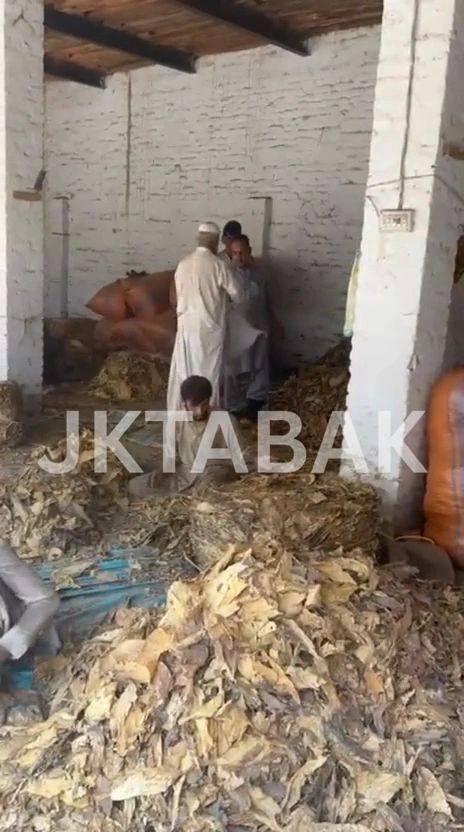
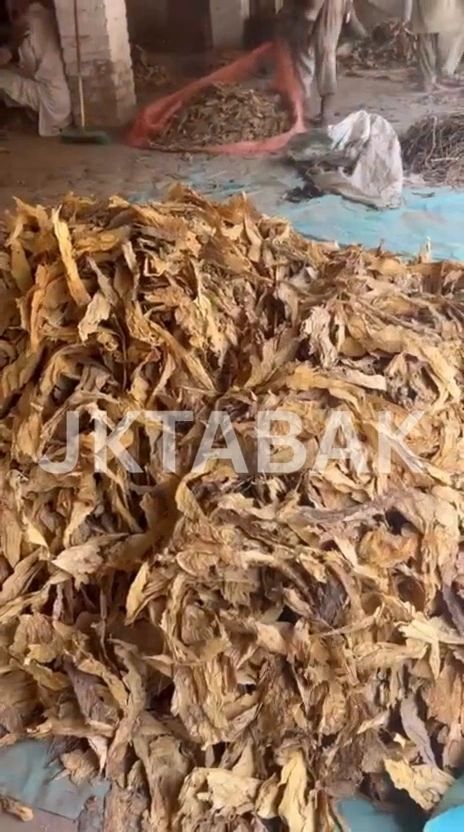
Our FCV is grown and cured in Pakistan, sorted at our Swabi depot and shipped from Karachi. It is available loose, hand-stemmed, machine-stemmed, as strips and as scraps.
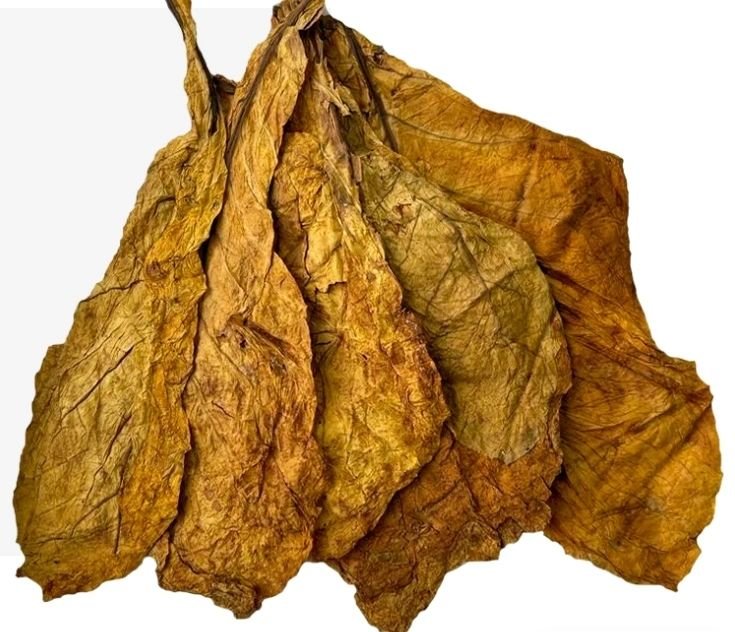
Colour, and what it does and does not tell you
- Lemon: pale yellow. Usually thinner leaf from lower on the plant. Our F8 Lemon and F12 Lemon grades are in this group.
- Orange: deeper colour, usually fuller body. The most common commercial colour.
- Brown or dark tones: riper or more heavily cured leaf. F09 Dark is an example.
- Green-toned: leaf that kept some green through curing. It processes differently, so say whether you want it in or out.
Colour is the first thing a buyer sees and the least reliable on its own. Two lots of the same colour can differ a lot in sugar, nicotine and body depending on where on the stalk the leaf came from. Always specify colour together with sugar, nicotine and moisture.
Reading our grade codes
The codes MMO, MML, NDB, TND and DAC are our own lot codes. The practical difference between them is in the numbers, so rather than guess at what the letters mean, use this as a guide to character and then check the table for the exact values.
| If you want… | Look at | Because |
|---|---|---|
| A sweet, aromatic leaf: shisha base, flavoured or sweet blends | MMO, MML | Highest natural sugar in the FCV range |
| A drier, firmer base for mass-market cigarettes or bidi | NDB, TND | Lower sugar, bolder body |
| A light, low-nicotine component | DAC and the DV grades | Low nicotine and low sugar. See dark air-cured |
| Cheap material for reprocessing or sheet | F8, F12, F09 and stems | See scraps and stems |
Exact nicotine, sugar, quantity and indicative price per grade are in one place only: the loose leaf table and the strips table. For a longer explanation of what these numbers mean when you are buying, read how to read FCV grade numbers.
Uses and common buyer mistakes
What FCV is used for
- Cigarette and cut-rag blends, as the main bright component
- Roll-your-own tobacco
- Shisha and molasses tobacco, from the higher-sugar grades (see shisha base leaf)
- Reconstituted sheet, from the cheaper grades and scraps
Mistakes we see buyers make
- Buying on colour alone and finding the sugar is wrong for the recipe.
- Comparing price per kg between a loose lot and a stemmed lot. The stemmed lot already includes the stem you would otherwise throw away.
- Accepting a lab figure from a different lot as proof for the one on offer.
Next step: the wholesale terms, or ask for a sample of the grade you want to test.
Quality from field to storage
From seedbed to barn: what drives FCV quality
Most of what you pay for in a flue-cured lot was decided in the field, months before the leaf reached a barn. The plant is started in a seedbed and transplanted as a small seedling. From there, the grower’s choices decide the leaf you eventually test: how much nitrogen the plant gets, when the flower head is removed (topping), how suckers are controlled, and how the crop is harvested.
Nitrogen is the one to understand. Too little and the leaf is thin and pale with low nicotine. Too much and the plant keeps growing a dark, heavy, nitrogen-rich leaf that cures badly and gives a harsh smoke. Flue-cured growers aim for a balance, and a lot that was over-fed tends to show up later as high nicotine and low sugar. Topping, which removes the flower so the plant directs its energy to the leaf, raises nicotine in the remaining leaves, so both the timing and the height of topping move the numbers in your table.
Flue-cured tobacco is harvested leaf by leaf, from the bottom of the plant upward, as each group of leaves ripens. That is why a single field gives several different grades. It also explains why harvest labour and barn space are such big cost items in FCV.
The four stalk positions
Sellers and graders talk about the position of the leaf on the stalk because it predicts so much. The names vary by market, but the pattern is consistent.
| Position | Where on the plant | Typical character | Often used for |
|---|---|---|---|
| Lugs (primings) | Bottom | Thin, light, mild, lower nicotine, burns easily | Lighter blends, filler, cost-driven blends |
| Cutters | Lower middle | Bright colour, good elasticity, balanced sugar and nicotine | Main bright component in many blends |
| Leaf | Upper middle | Fuller body, richer colour, stronger taste | Body and strength in a blend |
| Tips | Top | Thick, high in nicotine, often darker and heavier | Strength, or reprocessing |
When a supplier tells you a lot is “lemon” or “orange”, ask which stalk positions it contains. A lot that mixes lugs and tips can average out to something that looks fine in a table but behaves unevenly in your process.
The curing schedule, in plain terms
Barn curing runs for several days, and the temperature is raised in stages. Exact schedules differ between barns and growers, but the logic is the same:
- Yellowing. A modest heat, in the region of 35 to 40 degrees Celsius, lets the leaf lose chlorophyll and turn yellow while it is still alive. Humidity is kept high so that starches convert to sugars.
- Leaf drying (colour fixing). The temperature rises gradually, to somewhere around 50 to 55 degrees, to dry the lamina and lock in colour. If this is rushed, the leaf dries before it has finished yellowing and stays green.
- Stem drying. The temperature goes up again, to about 65 to 75 degrees, to dry the midrib. Too high and the leaf scorches. Too low and the stem stays damp and can mould in storage.
The result of a good cure is leaf that is evenly coloured, flexible once it takes on moisture and rich in sugar. The result of a bad one is something you can see: green patches, dark scorch marks, or a leaf that has gone dull and sponge-like.
The chemistry that matters to a buyer
- Nicotine. Strength of the leaf. Higher in leaf from the top of the plant. See the grade numbers guide.
- Natural sugars. Sweetness and smoothness. Flue-curing preserves them, which is why FCV is the sweet type.
- Total nitrogen and protein. High nitrogen tends to give a harsher, more pungent smoke.
- Chlorides. Too much can affect how the leaf burns and holds ash.
- Moisture. Not a quality trait as such, but it decides storage life, how well the leaf cuts and how heavy a container is.
For nicotine and sugar we give measured figures in the loose and strip tables. For anything else, ask for the test result for the lot. Our guide to checking a sample covers the hands-on side.
Common defects and what they tell you
- Green leaf. Cut too early or cured too fast. It gives a grassy, harsh taste. Agree a maximum percentage.
- Scorched leaf. Dark burn marks from barn temperatures that were too high. It can give a bitter, burnt note.
- Mould or must. Usually from storing leaf too wet or in damp conditions. A musty smell is the first sign.
- Sand and grit. Soil carried on the leaf from the field. It matters because it wears cutting blades and adds ash.
- Insect damage. Holes, fine dust or webbing. See the next section.
Storage and ageing
Flue-cured leaf is usually aged for a period after curing, because the leaf mellows and some harshness settles with time. For storage, keep leaf in a cool, dry, well-ventilated store, off the floor and away from walls. Keep the moisture to the level agreed in the contract: leaf that is too damp will heat and mould, and leaf that is too dry will crumble.
The two pests that matter most in stored tobacco are the tobacco beetle (Lasioderma serricorne) and the tobacco moth (Ephestia elutella). They are controlled by keeping stores clean and cool, rotating stock first in, first out, inspecting regularly and, where needed, fumigating. If you plan to hold leaf for months, say so in the enquiry so we can discuss packing and treatment.
Specifications and blending
How an FCV specification looks on paper
A buyer who sends a specification like this gets a more accurate first offer than one who sends “good FCV”:
FCV loose leaf, 2026 crop, orange to lemon colour, mixed cutters and leaf positions, nicotine 2.3 to 2.7%, natural sugar 9 to 11%, moisture at shipment 11 to 13%, green leaf not more than 5%, no mould, sand or foreign matter, packed in jute bags, one 20-ton container, FOB Karachi, sample from lot before shipment.
The figures above are an example of format, not a recommendation. Put in the numbers your own recipe needs.
Where FCV sits in a blend
In a typical cigarette or roll-your-own blend, FCV provides the sweet, bright backbone and a smooth smoke. It is balanced by burley for body, oriental for aroma and sometimes dark air-cured leaf for depth. The share of each differs by product and by market, and it is the blender’s choice. Our blends page and the guide to specifying a leaf blend explain how we work with a brief.
More on flue-cured Virginia from other sources
If you want a second reference on how FCV is described and graded, read what is FCV tobacco and the FCV tobacco grades page at FCVTobacco.com. Comparing two suppliers’ specifications before a container order is good practice, and an FCV tobacco supplier with a different grade list gives you a useful benchmark.
Tobacco is harmful to health. JKTabak supplies tobacco leaf to licensed commercial buyers only (manufacturers, processors, importers and distributors). The buyer is responsible for confirming that import, purchase and resale of tobacco is lawful in the destination country.
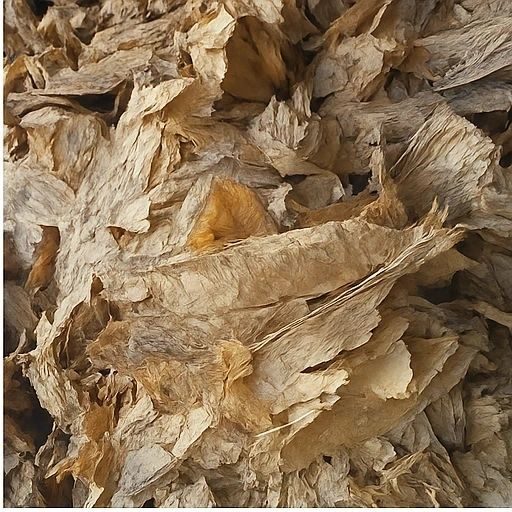
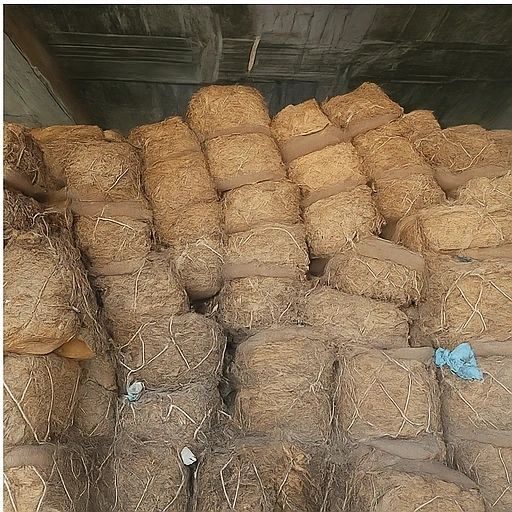
Photos and video from our lots
Pictures and clips of leaf we handle. For current photographs or video of a specific lot, ask us. The full sets are on the gallery and videos pages.