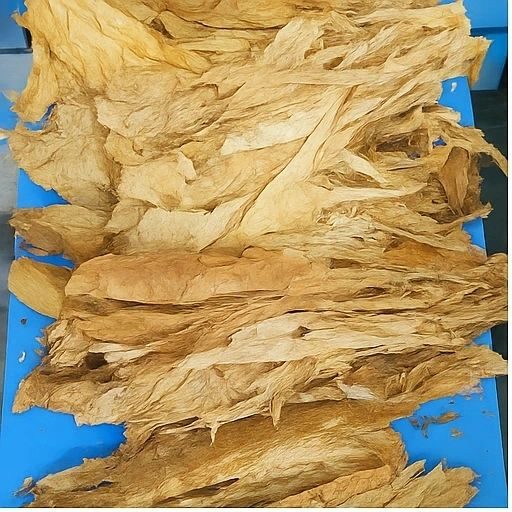
This is aimed at manufacturers and buyers who receive a sample of cured leaf or strips. It cannot replace laboratory testing, but it catches most bad lots before you pay for a lab.
Seven checks on a sample
1. Make sure the sample is from the lot
Ask which lot it represents, its weight and the date it was drawn. A sample picked from the best bag tells you nothing about the container. Ask for it to be taken from more than one package.
2. Smell it
Good cured leaf smells clean: sweet and hay-like for flue-cured, nutty or earthy for air-cured. Walk away from a musty, sour or ammonia smell, which points to mould or fermentation in storage. A strong chemical smell is also a flag.
3. Bend and squeeze
- Take a leaf and fold it. It should bend and recover. If it snaps or crumbles, it is too dry and will break into fines in your line.
- Squeeze a handful. It should spring back, not stay in a damp clump.
4. Look at colour across the whole sample
Spread it on a clean surface in daylight. You are looking for evenness, not a perfect shade. A sample that mixes pale and dark leaf is a mixed lot, whatever the label says. Check for green leaf in flue-cured and for scorched, black or heavily spotted pieces in any type.
5. Check for stems, dust and foreign matter
For strips, count how much stem is still in. Shake a handful over a sheet of paper: the fines are what falls out. Look for twine, plastic, sand, insect damage and other debris. Weigh the fines and stem separately if you want a number to put in the specification.
6. Compare with the specification
Lay the sample next to the grade description you were quoted. If nicotine, sugar and moisture figures come with it, ask whether they belong to this lot. Our own grade values are on the strips and loose leaf pages, and are indicative until a quotation names the lot.
7. Send it to a lab when it matters
If nicotine, sugar, moisture or residues are part of your contract, send a retained portion to a laboratory using the method you have agreed. Keep a sealed second portion in case of a dispute.
Storing, testing and sampling properly
Storing the sample
Keep it in an airtight bag in a cool, dry place, away from sunlight. A sample that dries out or goes damp in your office will tell you the wrong story.
Want to run these checks on ours? Ask for a sample and tell us what you are testing.
What a laboratory can tell you that your bench cannot
The checks above catch obvious faults. They cannot measure the chemistry of the leaf, and they cannot find what you cannot see or smell. If the contract depends on specific values, send a portion to a laboratory. Typical tests for cured leaf include:
| Test | What it tells you | Notes |
|---|---|---|
| Moisture | Water content, which affects storage and weight | Usually by oven drying; confirm the method |
| Nicotine | Strength of the leaf | Often measured by continuous-flow analysis or chromatography |
| Reducing sugars | Sweetness, especially in flue-cured leaf | Specify reducing or total sugars |
| Total nitrogen | Relates to harshness | Optional |
| Chlorides | Affects burn and ash | Optional |
| Pesticide residues | Whether the leaf meets residue limits for your market | Needed by some importers |
| TSNAs | Tobacco-specific nitrosamines, mainly in air-cured leaf | Needed by some buyers and regulators |
Laboratories commonly use CORESTA recommended methods for tobacco analysis. Whichever method you choose, write it into the contract so that two parties testing the same sample use the same procedure.
Sampling properly
A sample is only as good as the way it was drawn. A few rules help:
- Draw from several packages across the lot, not just the top layer or the most accessible ones.
- Mix the portions together before dividing them into the test sample, the retained sample and the seller’s sample.
- Seal and label each portion with the lot number, date and who drew it.
- Keep a retained portion in an airtight container for as long as the contract allows claims.
A sample drawn by one party and tested by another is more reliable than one drawn and tested by the same party.
When a sample does not match, and recording evidence
What to do when the sample does not match
- Record the difference with photographs and measurements.
- Check that the sample really came from the lot you are comparing against.
- Tell the supplier promptly, in writing, with the evidence.
- Agree whether to re-test, with an independent laboratory if needed.
- Follow the contract’s remedy: replacement, price adjustment or refusal.
Most disagreements are settled quickly when both sides have clear specifications and documented samples. Most long disputes begin with a vague contract.
A checklist you can print
| Check | Pass looks like | Fail looks like |
|---|---|---|
| Smell | Clean, sweet or nutty | Musty, sour, ammonia, chemical |
| Bend | Flexes and recovers | Snaps or crumbles |
| Squeeze | Springs back | Clumps and stays damp |
| Colour | Even across the sample | Patches of green, black or very pale |
| Stems | Within agreed limit | Many remnants |
| Fines | Little falls out when shaken | A lot of dust |
| Foreign matter | None | Sand, twine, plastic, insects |
| Paperwork | Lot number matches | No lot number or a different one |
Recording the evidence: a simple routine
If a sample later becomes the subject of a dispute, your record is your evidence. A simple routine makes it far stronger:
- Photograph the package, the lot label and the seal before you open anything.
- Photograph the sample on a plain background with a ruler or a coin for scale.
- Record the date, who drew the sample, from which packages and the weight.
- Note the smell, flexibility and moisture in writing, using the same words each time.
- Seal the retained portion and write the lot number and date across the seal.
- Store the retained sample somewhere cool and dry.
How large should a sample be?
There is no single answer. For a quick bench check, a few hundred grams drawn from several packages is enough. For a laboratory test, the lab will say how much it needs, often a few hundred grams. For a trial in your plant, you may need much more, enough to run a representative batch. Say what the sample is for when you ask for it, so that the quantity matches the purpose.
Common mistakes and the pre-shipment approval
Common mistakes with samples
- Testing a sample that is not from the lot you are buying.
- Leaving the sample open in a warm or damp room before testing.
- Judging only by appearance and ignoring smell and feel.
- Not keeping a retained portion.
- Approving a sample verbally and not in writing.
Approval in writing, with the lot number and the specification, is the most useful single habit.
Pre-shipment sample and the approval
A common and useful step in leaf trading is the pre-shipment sample. Before loading, the seller draws a sample from the lot being packed and sends it to the buyer, who tests it and approves it in writing. Loading then goes ahead against that approval. The approved sample is retained by both sides. If the leaf that arrives does not match, the retained samples are the reference. To make this work, the contract should say how the sample is drawn, how long the buyer has to respond and what happens if they do not.
Checking a sample against a reference
If you have a reference sample, such as leaf you already use, lay the two side by side on a white surface in the same light. Compare colour, leaf size, texture and the proportion of stem. Smell them one after the other, with a short pause between to clear your nose. Squeeze both in your hand. If you can, make small test cuts or test cigarettes. Note the differences in writing, and decide in advance which differences matter. A sample that differs from the reference in a way your product can absorb is fine; one that differs in a way it cannot is not.
Tobacco is harmful to health. JKTabak supplies tobacco leaf to licensed commercial buyers only (manufacturers, processors, importers and distributors). The buyer is responsible for confirming that import, purchase and resale of tobacco is lawful in the destination country.
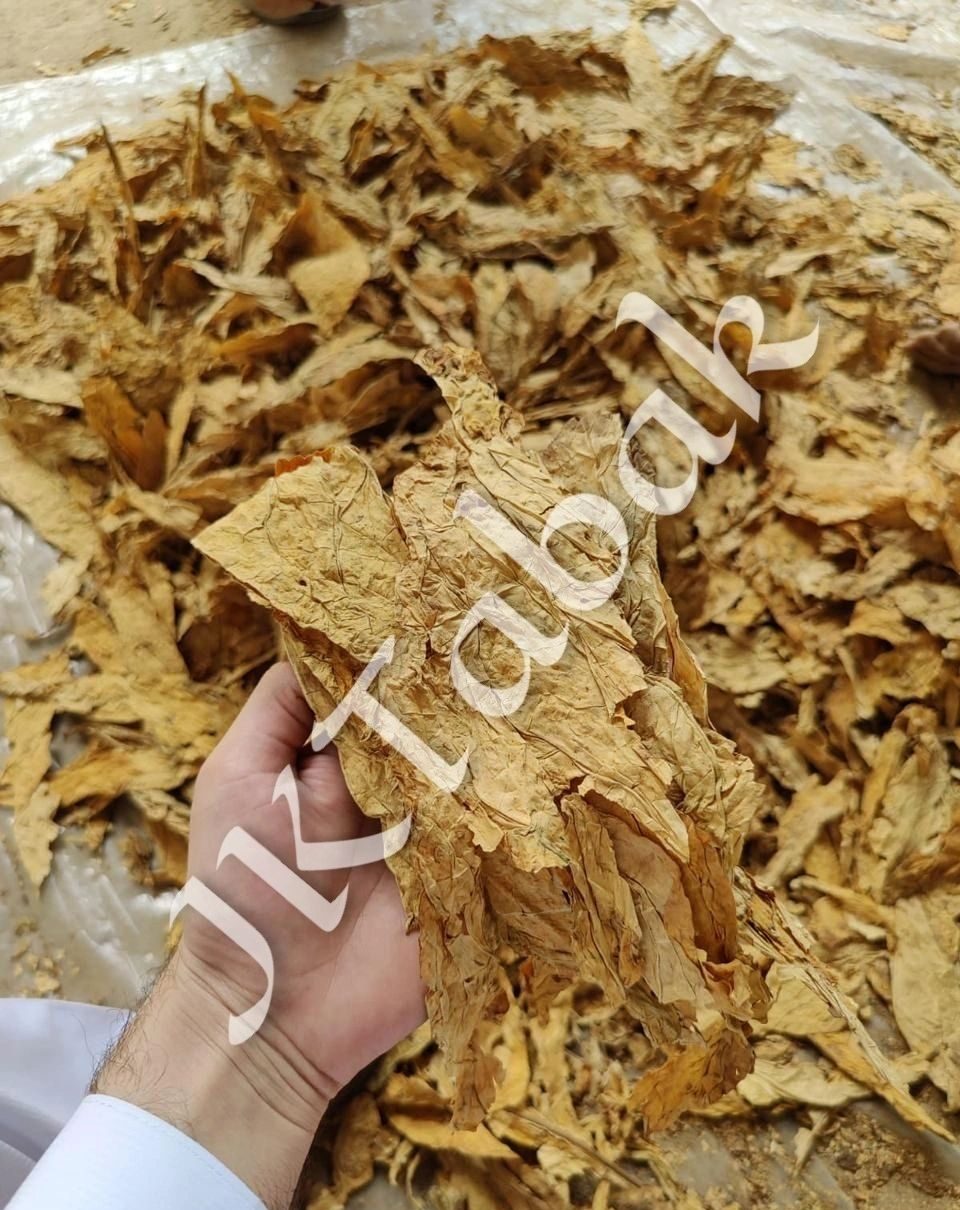
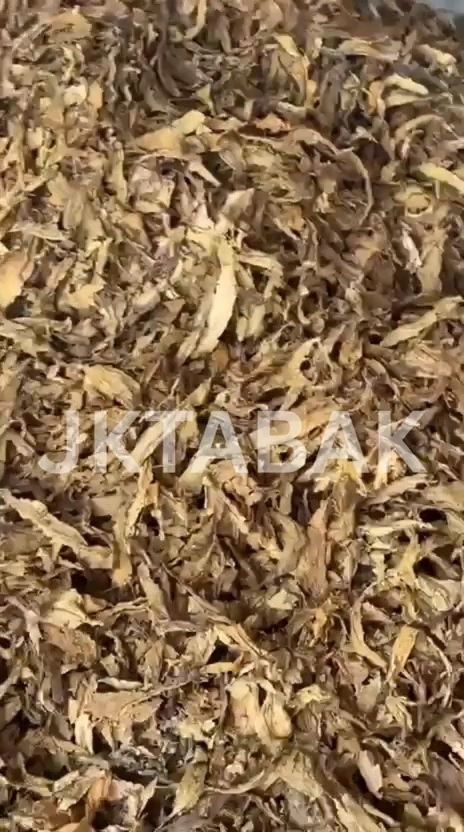
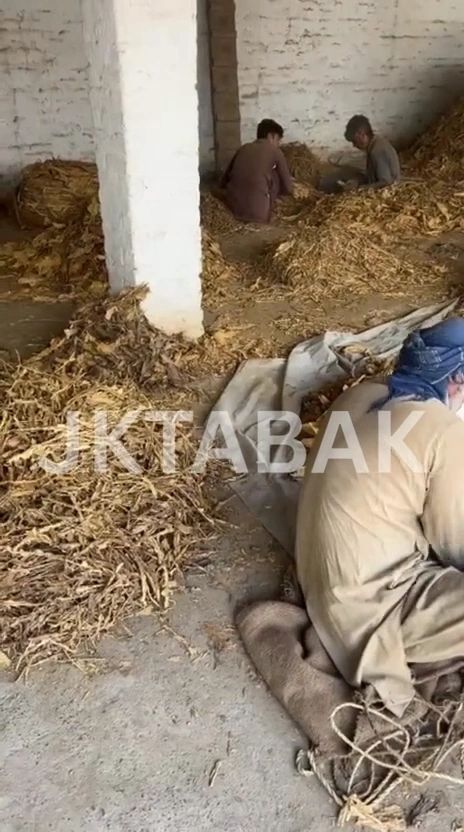
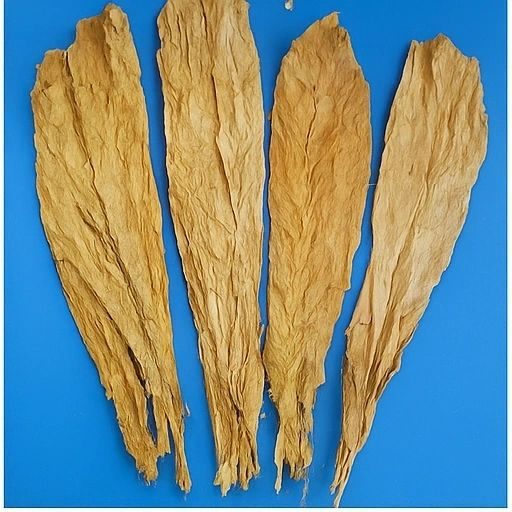
Photos and video from our lots
Pictures and clips of leaf we handle. For current photographs or video of a specific lot, ask us. The full sets are on the gallery and videos pages.