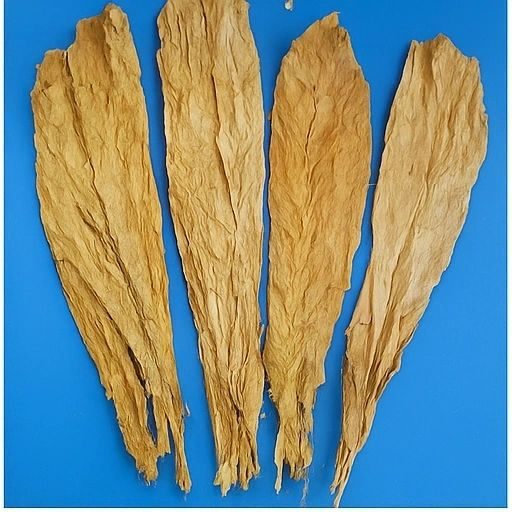
- Minimum order: 1 container (about 20 t)
- Ready to pack and ship
- Sample on request, where lawful
- Export documents supplied
Grades you can order now
Before you order: what to know and what to check.
Choosing shisha base leaf
Why the base leaf matters
Molasses tobacco is mostly leaf with flavour and humectant added, so the leaf sets a ceiling on what the finished product can be. It decides how sweet the base is, how much nicotine comes through, how much liquid the leaf takes up, how it holds moisture in the tin and how evenly it cuts and burns on the coal.
The grade to look at first
Within our FCV range, MMO has the highest sugar, at 13–15% in loose leaf. High natural sugar helps a leaf burn smoothly and carry flavour, which is why leaf in this range is a common base for molasses tobacco. MML is the balanced alternative. Exact values and indicative prices are in the loose leaf table and the strips table, including the high-sugar MMO and MML strip lots.
Whether a grade works for you is something only your own recipe can answer. Cut size, flavour ingredients, humectant ratio and final moisture all change how a leaf behaves, so test our sample in your own process before ordering a container.
Light or strong
A lighter, sweeter base generally suits fruit, mint, floral and dessert flavours. A drier, firmer base suits traditional blends for customers who want more tobacco character. We can discuss either, but we will not tell you which one your customers prefer.
Loose leaf or strips
- Loose leaf if you condition, stem and cut in-house. Loose leaf
- Hand- or machine-stemmed strips if you want less preparation before cutting. Strips
Compare cost beyond the price per kg
A cheaper kilo is not always a cheaper finished tin. Compare how much of what you buy becomes usable product after you remove stem and fines, how much labour your plant needs, the weight and packing, the freight and paperwork, and whether the next order will match this one. Loose leaf looks cheap per kg but includes stem; strips cost more per kg and waste less. We are happy to work through the maths for your actual process.
Questions to put to any leaf supplier
- Are the figures for the lot you are quoting, or generic?
- Can you supply more than one form from the same grade?
- Can they pack and document for export, and supply repeat volume?
Terms, packing and documents are on the wholesale terms page.
Making shisha tobacco and what makes a good base
How shisha tobacco is actually made
Understanding the factory process explains what the leaf has to do. In molasses-based shisha tobacco (often called mu’assel), cured leaf is cut into fine, narrow shreds. The shreds are mixed with molasses or honey, glycerine and flavouring, and then left to rest or ferment so the flavour is absorbed. The finished product is moist and sticky, and in most cases only a minority of its weight is tobacco; the rest is molasses, glycerine and flavouring. The leaf therefore needs to do three things well: carry sugar and moisture, absorb flavour, and burn evenly under heat that is much gentler than a cigarette’s.
What makes a good shisha base leaf
- Natural sugar. Leaf that is already sweet supports the molasses and gives a smooth, rounded smoke.
- Absorbency. The leaf must take up a lot of liquid without turning to mush. Thin, open leaf absorbs fast; heavy leaf absorbs slowly.
- Moisture behaviour. The finished product has to stay moist in the tin and not dry out or mould. Starting with leaf at a known, stable moisture helps.
- Mild, clean taste. A leaf that is too harsh or too grassy is hard to hide behind flavouring.
- Cutting performance. The leaf must cut to a fine shred without too many fines. Clean stemming and the right conditioning matter here.
Traditional styles and what they use
Shisha is not one product. Molasses-based tobacco is the best known, and it normally uses a lighter, sweeter leaf, often Virginia with some burley. Other regional styles use darker, stronger leaf with less sweetening. One example is tombak, a traditional Persian style, which uses darker, stronger leaf. We mention this so that, when you write your specification, you can say which style you make. A leaf that is ideal for sweet fruit flavours may be wrong for a traditional dark mix.
Testing and costing
A simple absorption test
You can compare two leaf samples before you commit to a container. Weigh a fixed amount of each sample cut to your normal shred size, add a measured amount of your own molasses and glycerine mix, wait the time you normally ferment, and then see how each one looks and feels. Does it stay moist or release liquid? Does it clump? How does it smell? Then compare how each burns in a bowl. It is an inexpensive test, and it tells you more about suitability than any table can. Send us the sample results with your next request and we can adjust the offer.
Sample before you scale up
- Request a sample of the lot we are offering, with the form you plan to buy.
- Run a small pilot batch in your normal recipe.
- Test a flavour that is hard for you: citrus, mint or heavy dessert flavours show up weaknesses in a base leaf.
- Check moisture and fines in the leaf you receive against the sample.
- Only then place a container order.
Cost and yield for shisha makers
Because shisha makers cut leaf very fine, stem and fines have a bigger effect on yield than for coarse cutting. Buying loose leaf and stemming in-house gives you control, but you need the equipment and labour. Stemmed strips cost more per kilogram but waste less. A short calculation helps: take the price per kilogram, subtract the stem and fines you expect to lose, and compare the cost per kilogram of usable leaf, not the headline price. Then add your own labour and equipment cost for loose leaf. We are glad to walk through that with the numbers for your plant.
Regulation and responsibility
Shisha tobacco is regulated as a tobacco product, and in many countries there are rules on flavours, packaging, warnings and sale. The finished product, not the leaf, carries most of those obligations, and they are your responsibility as manufacturer. The health risks of smoking shisha are real, whatever the flavour, and WHO and national health services publish current information on them. See our health and compliance notice.
Problems, matching and processing
Problems in finished shisha tobacco that start with the leaf
Many quality complaints about shisha tobacco look like flavouring or packaging problems but begin with the base leaf. A few common ones and their typical causes:
| Symptom | Often traced to | What to ask your leaf supplier |
|---|---|---|
| Harsh, bitter smoke | Leaf low in sugar or high in nitrogen | Sugar and nicotine figures for the lot |
| Dry, crumbly tin | Leaf that absorbs too little or dried out | Moisture at shipment; absorbency test |
| Wet, clumpy tin | Leaf that absorbs too much, or too much liquid | Leaf type and body; trial at your recipe |
| Mould in the tin | Moisture too high in leaf or in the product | Moisture limit and storage |
| Uneven burn | Mixed lots or variable stem content | Single-lot supply; stem limit |
| Dust and fines in the cut | Brittle leaf or poor stemming | Fines limit; conditioning |
Matching the base to the flavour
Different flavour families interact with the base in different ways. This is general experience rather than a rule, and your own tests have the final say.
- Fruit and sweet flavours. Usually work well on a sweet, light base with high sugar.
- Mint and menthol. Cut through sweetness, so they can be paired with a more neutral base.
- Spice, coffee and dessert flavours. Often work with a slightly fuller base that can carry strong flavours.
- Traditional or unflavoured styles. Need a leaf with its own character, because there is nothing else to hide behind.
Fermentation and rest
After mixing leaf with molasses and flavouring, shisha makers normally let the mixture rest, so that the flavours spread and the leaf absorbs the liquid evenly. The leaf you start with changes how long that takes and how stable the result is. When you test a sample, test it with the full process, including the rest period, not just straight after mixing.
Dealing with fines
Shisha tobacco is cut very fine, so fines in the base leaf can be a real problem: they clog the cut, absorb unevenly and burn too fast. Ask for a fines limit, check it on a sample and consider sieving. If your process cannot tolerate much dust, buying strips from a line with good conditioning is usually better than buying loose leaf and stemming it yourself.
Buyer checklist and related reading
A buyer’s checklist for shisha leaf
- Sugar and nicotine for the lot, on a stated basis
- Moisture at shipment, with a tolerance
- Stem and fines limits
- Colour range
- Single-lot or blended supply
- A sample from the lot, tested in your process
- The documents your market requires
Finished shisha tobacco, and more on shisha leaf
We sell raw leaf, not finished product. If you are looking for wholesale shisha tobacco in finished form, or a wholesale shisha tobacco supplier for bulk orders, GlobalShishaTobacco.com covers that range. Its guides on tobacco leaf types for shisha and Virginia tobacco for shisha go further into the leaf side, and FCVTobacco.com describes Virginia tobacco leaf for shisha manufacturing from another supplier.
Tobacco is harmful to health. JKTabak supplies tobacco leaf to licensed commercial buyers only (manufacturers, processors, importers and distributors). The buyer is responsible for confirming that import, purchase and resale of tobacco is lawful in the destination country.
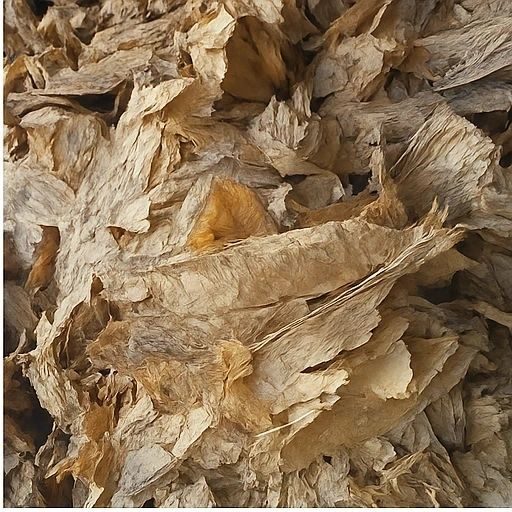
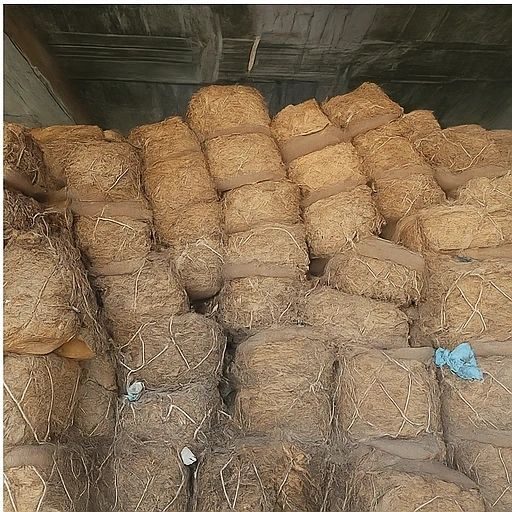
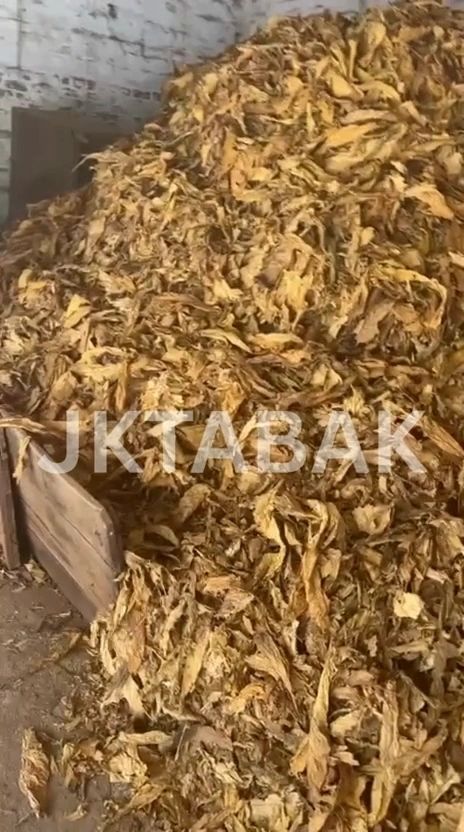
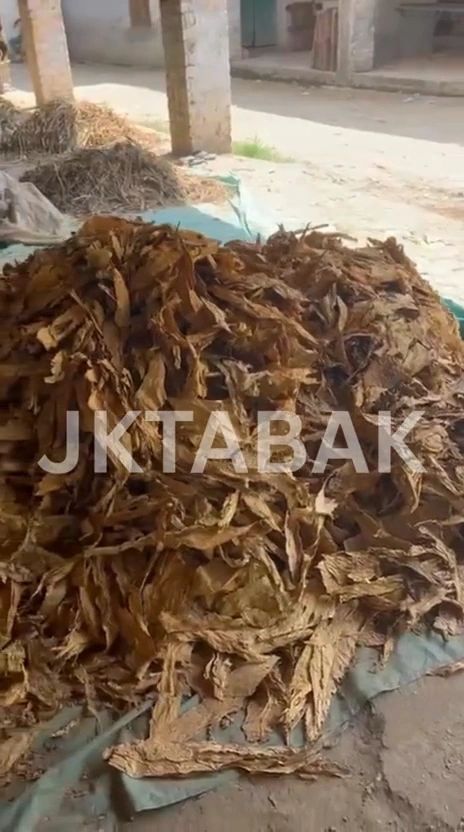
Photos and video from our lots
Pictures and clips of leaf we handle. For current photographs or video of a specific lot, ask us. The full sets are on the gallery and videos pages.