Health, buyers and customs
The health position
Tobacco use is a leading cause of preventable death. The World Health Organization reports that it kills millions of people every year, including people who do not smoke but are exposed to second-hand smoke. See the WHO fact sheet below for the current figures. Nothing on this site is meant to make tobacco look safe, mild or harmless.
A few specific points, because tobacco copy is often loose about them:
- Low nicotine is not low risk. When our tables show a leaf with 1.1% or 1.3% nicotine, that is a measured characteristic of the leaf. It is not a health claim, and it does not make a finished product safer.
- We make no health claims about any grade, origin, curing method or “natural” leaf.
- We do not sell to consumers, and we do not sell finished cigarettes, cigars, shisha or vaping products.
Who we sell to
We sell unmanufactured leaf to businesses that are legally allowed to buy it: manufacturers, processors, blending houses, licensed importers and distributors. Before we quote a first order we may ask for:
- the company name, registration number and country of registration,
- the tobacco licence or permit that applies in the destination country, where one exists,
- the intended use of the leaf, and the destination port and consignee.
We can decline an order if we cannot establish who the end buyer is or where the leaf will be used. This follows the due-diligence expectations of the WHO Protocol to Eliminate Illicit Trade in Tobacco Products, which is published on the FCTC site below.
How our products are classified for customs
Raw leaf falls under heading 2401 of the Harmonized System. Which subheading applies depends on the form, and your customs broker makes the final call:
| Form we sell | Usual HS subheading | Meaning |
|---|---|---|
| Loose or whole leaf | 2401.10 | Tobacco, not stemmed or stripped |
| Hand or machine strips | 2401.20 | Tobacco, wholly or partly stemmed or stripped |
| Scraps and stems | 2401.30 | Tobacco refuse |
What the buyer is responsible for
Import licences, excise registration, duties and taxes, product registration, labelling and record-keeping differ by country and change over time. Pakistan, Belgium and the European Union are parties to the WHO Framework Convention on Tobacco Control, and many importing countries add their own licensing and traceability rules on top. Unless a written contract says otherwise, these obligations sit with the buyer. We provide exporter-side documents (see the wholesale terms) and will answer reasonable questions, but we are not your legal adviser.
Reporting a concern
If you believe an order or enquiry linked to JKTabak is being misused, or you find a statement on this site that is wrong, write to sales@jktabak.com. We read these.
Buyer checks and responsible use
How we check a new buyer
For a new customer we normally go through these steps before issuing a quotation for a full container:
- We ask for the legal name, registration number, address and country of the company.
- We ask what the leaf will be used for and where it will be delivered.
- We ask for the tobacco licence or permit that applies to the buyer, where one exists.
- We check that the name on the order, the payer and the consignee match, or that any difference is explained.
- We keep a record of the documents we receive.
This is not a punishment; it is how a careful supplier should work in a regulated trade.
Warning signs we look out for
- A buyer who will not give company details or a delivery address.
- Payment from an unrelated third party, or from a country that does not match the buyer.
- A request to ship to an address that is not the buyer, or to change the consignee at the last minute.
- An unusually urgent order with little interest in the specification.
- Requests to understate the quantity or value on documents.
If we see these, we ask questions, and if they cannot be answered, we decline.
What the WHO convention says, briefly
The WHO Framework Convention on Tobacco Control is an international treaty, in force since 2005, that sets standards for tobacco control worldwide. Its protocol on illicit trade asks governments to license the trade, require due diligence and keep records across the supply chain. It does not tell a leaf buyer what to do directly, but many national rules follow from it, which is why you will be asked questions by suppliers, banks and customs. The treaty and its protocol are published at fctc.who.int.
Records
We keep contracts, invoices, shipping documents and correspondence for each order. If an authority asks for them, we can supply them. We expect buyers to keep their side of the record too, for as long as their authority requires.
Responsible use of this site
- The information is for businesses that are legally permitted to buy tobacco leaf.
- Nothing here is medical, legal or customs advice.
- The figures are indicative; do not rely on them for a regulatory submission. Ask for lot-specific documents.
- If you are under the legal age for tobacco in your country, this site is not for you.
Support and regulation
Support for people who want to stop smoking
If you or someone you know wants to quit tobacco, the World Health Organization and most national health services offer free help. Search for your country’s quit-smoking service or ask a doctor or pharmacist.
Regulation by region: where to start
Rules differ widely, and the table below is only a pointer to where the main authorities are, not a summary of their rules. Always confirm the current position with your own authority or adviser.
| Region | Typical authorities involved in importing leaf | Things to check |
|---|---|---|
| European Union | National customs and excise authorities; the finished-product rules are set by EU law | Customs classification, excise status of unmanufactured tobacco, any manufacturer or importer registration |
| United Kingdom | HM Revenue & Customs | Registration, duty and excise treatment, import declarations |
| United States | Customs and Border Protection, the Alcohol and Tobacco Tax and Trade Bureau, and the Food and Drug Administration | Permits, tax status, product regulation obligations |
| Middle East, Asia and Africa | National customs, health and trade authorities | Licences, import permits, labelling and inspection rules |
Labour and environmental responsibility
Tobacco is grown and processed by many people, in countries with different standards, and responsible buyers pay attention to how it is done. Recognised concerns include child labour, unsafe working conditions, exposure of workers to pesticides and nicotine, deforestation linked to wood used for curing, and the environmental cost of agrochemicals. We expect buyers to ask about these, and we try to answer what we can document. On a page like this one, the right approach is to say plainly that these concerns exist, not to claim they are solved. If you require a supplier audit or certification as a condition of your own purchasing, ask for it before you place an order.
What happens if we cannot agree
If a buyer cannot supply the information we need, or if we have a concern we cannot resolve, we do not proceed. We will tell the buyer why, as far as we are able. This sometimes means refusing an order that is otherwise commercially attractive, and we are prepared to do so.
Illicit trade and what we will not do
Illicit trade and what it means for a leaf buyer
Illicit trade in tobacco covers smuggling, counterfeiting and the diversion of legitimate goods to unauthorised markets. It is mostly discussed in the context of finished cigarettes, but raw leaf has its own risks: leaf can be diverted to unlicensed manufacturers, sold under false descriptions, or shipped with misdeclared documents to avoid duties. The WHO Protocol on illicit trade asks governments to license the supply chain and require due diligence for these reasons. For a buyer, the practical consequence is that you should know where your leaf comes from, who sold it, and where it is going, and you should keep records to prove it.
What we will not do
- We will not misdescribe goods, quantities or values on any document.
- We will not ship to a consignee we cannot identify.
- We will not accept payment from a party we cannot connect to the buyer.
- We will not claim certifications, inspections or approvals that we do not hold.
- We will not give health claims or health advice about any tobacco product.
Where to read more
The documents we cite are public and worth reading in the original. The WHO fact sheet gives the health position. The FCTC site publishes the treaty and the illicit-trade protocol. The WCO page explains the Harmonized System. For your own country, your customs authority’s website is the primary source. If our summary and an official source disagree, the official source is right, and we would like to hear about it.
Tobacco is harmful to health. JKTabak supplies tobacco leaf to licensed commercial buyers only (manufacturers, processors, importers and distributors). The buyer is responsible for confirming that import, purchase and resale of tobacco is lawful in the destination country.
Photos and video from our lots
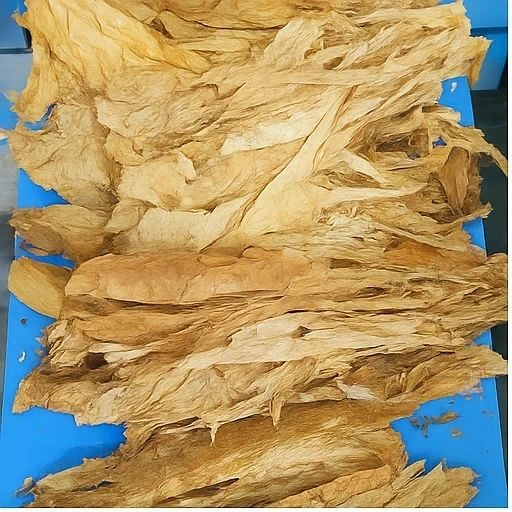
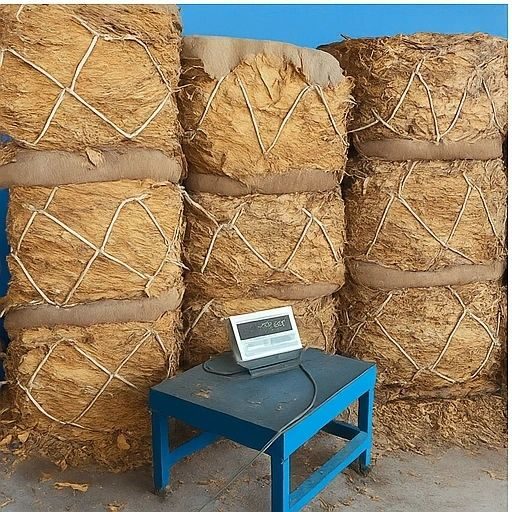
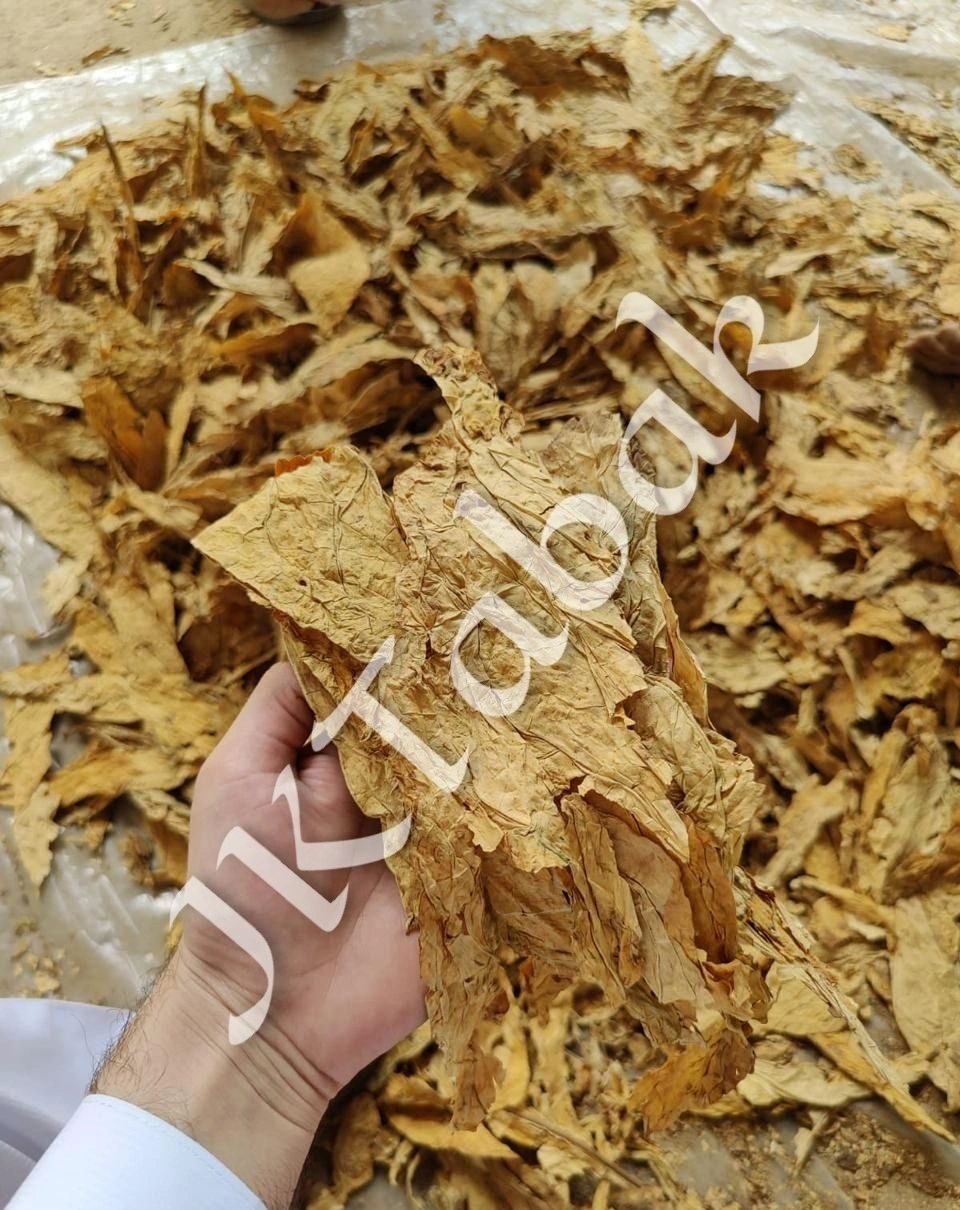
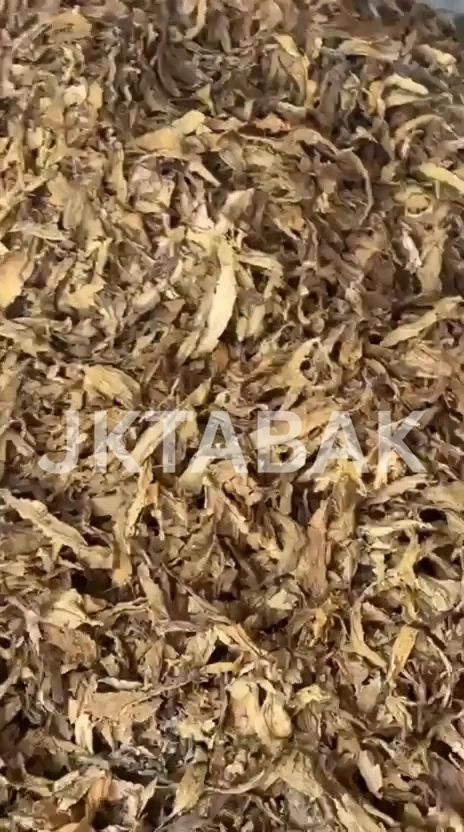
Pictures and clips of leaf we handle. For current photographs or video of a specific lot, ask us. The full sets are on the gallery and videos pages.