- Minimum order: 1 container (about 20 t)
- Sourced to your specification
- Sample on request, where lawful
- Export documents supplied
Before you order: what to know and what to check.
Burley overview and how we supply it
What burley is
Burley is air-cured: the plants are hung in ventilated barns and dried slowly over several weeks, with no added heat. That slow cure leaves the leaf low in natural sugar, with a dry, nutty, earthy taste and, usually, more nicotine than flue-cured Virginia. Its open structure also means it soaks up casing and flavour liquids well, which is why burley is the traditional partner to FCV in “American blend” cigarettes.
Where it is used
- Cigarette blends, balanced against bright FCV for body and a firmer smoke
- Pipe and roll-your-own tobacco
- Cased or flavoured products that need a leaf that holds liquid
- Cut-rag components where a drier, fuller character is wanted
How we supply it
Burley is available hand-stemmed and machine-stemmed, and as a component in blends. We source it from established growing regions such as India, Bangladesh and Argentina, depending on what is available that season. Because origin, crop year and chemistry change from lot to lot, burley is not on a fixed price list. We quote it per enquiry, against the specification you send.
What to put in a burley enquiry
- Origin and crop year, if you have a preference
- Form: loose, hand-stemmed or machine-stemmed
- Targets for nicotine, sugar and moisture
- Quantity (minimum one container) and destination port
Terms, packing and documents are on the wholesale terms page.
Growing, curing and character
How burley is grown and cured
Burley is grown for its large, open leaf. The crop is usually fertilised more heavily with nitrogen than flue-cured tobacco, which is part of why burley carries more nicotine and less sugar. At harvest, the whole plant is typically cut at the base (stalk-cutting) rather than primed leaf by leaf. The plants are wilted briefly in the field, then hung from rails or sticks in a well-ventilated barn.
The cure is slow, usually four to eight weeks, and uses no added heat. The leaf turns from green to yellow to a light reddish brown as it loses moisture and chlorophyll. Weather during these weeks matters a great deal: the leaf needs air, but not so much dryness that it dries before it colours, and not so much dampness that it moulds.
The character that results
- Low natural sugar. Flue-cured Virginia sugars are fixed by heat; in air-cured burley most are used up during the cure. That gives a dry, less sweet smoke.
- Nutty, earthy taste. The classic burley note, strongest in leaf from higher on the stalk.
- Open structure. The leaf is absorbent. Casing, flavour and humectants soak in well and stay put.
- Higher nicotine. Typically above flue-cured leaf of the same position, though it varies with crop.
Casing and toasting
Manufacturers rarely use burley as it comes from the barn. For many cigarette and pipe blends, the leaf is cased: sprayed with a solution of sugars, cocoa, liquorice or other ingredients, then often toasted. Because burley has so little sugar of its own, casing is how a manufacturer builds its sweetness and mouthfeel. That is why absorbency matters to a buyer: if you case, you want a leaf that takes the liquid evenly.
Where burley is grown
Large burley crops are grown in many countries, including the United States, Brazil, Argentina, India and several African producers. We source burley for our customers from established regions such as India, Bangladesh and Argentina, depending on what the season offers. Our guide to buying from a given origin lists what to ask whichever country the leaf comes from.
A note on nitrosamines
Air-cured tobacco can form tobacco-specific nitrosamines (TSNAs) during curing and storage, particularly when nitrate levels are high and humidity and microbial activity are favourable. TSNAs are a recognised health concern, and some buyers and regulators set limits or ask for monitoring. We do not make health claims about any leaf, but if your market or customers require TSNA data, ask for it in your specification at the outset. It is far easier to agree it before an order than to chase it afterwards.
Sampling, comparison and buying
What to check in a burley sample
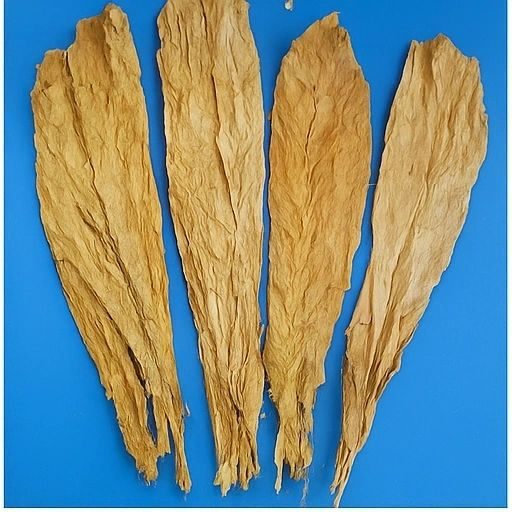
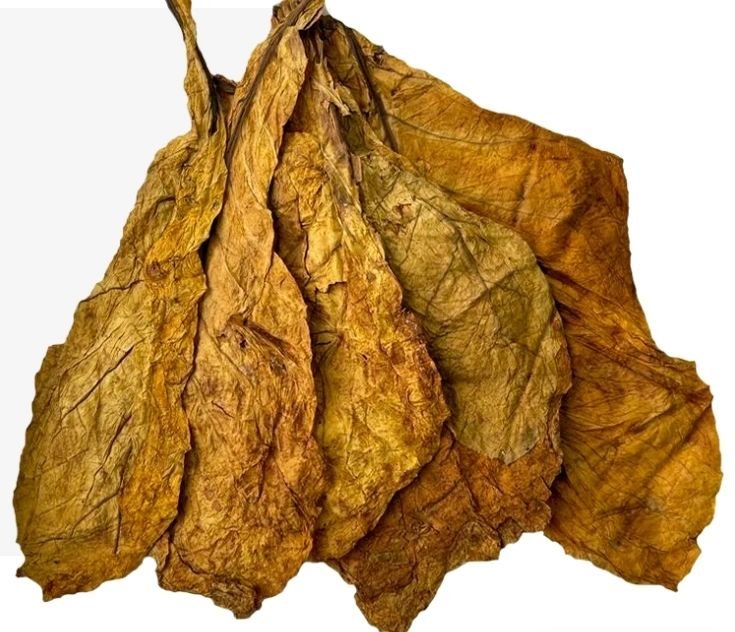
- Colour. Light to medium reddish brown is typical. Very dark, black or greenish pieces suggest curing problems.
- Aroma. Nutty and earthy. Sour, musty or ammonia smells are warning signs.
- Flexibility. The leaf should bend and recover without cracking.
- Moisture. Air-cured leaf holds moisture longer, so mould is the main storage risk. Check the bag as well as the leaf.
- Stems and fines. Burley stems are thick. If you buy stemmed leaf, check how clean the stemming is.
The full sample checklist is in our guide to checking a leaf sample.
Burley compared with the other main types
| Burley | Flue-cured Virginia | Oriental | |
|---|---|---|---|
| Cure | Air-cured, no heat | Heat-cured in a barn | Sun-cured |
| Sugar | Low | High | Moderate to high |
| Nicotine | Typically higher | Medium | Typically lower |
| Taste | Nutty, earthy | Sweet, bright | Spicy, aromatic |
| Takes casing | Very well | Moderately | Little needed |
| Usual role | Body and flavour carrier | Sweet backbone | Aroma in small share |
How to buy burley from us
Because origin and crop change, we do not publish a fixed burley price. The efficient route is to send the specification, including the points above, plus your preferred origin and quantity. We reply with what we can offer, a sample from that lot and a price per kg. See the wholesale terms for packing and shipment, and hand-stemmed or machine-stemmed for the form.
Burley processing in detail
Burley by stalk position
As with flue-cured leaf, where burley grew on the plant says a lot about how it will behave. Because the whole plant is cut and cured together, the leaves keep their positions on the stalk through curing and are later separated when the leaf is stripped for processing.
| Position | Typical character | Often used for |
|---|---|---|
| Bottom leaves (flyings and lugs) | Thin, light, mild, low in nicotine, burns easily | Filler, light blends, cost-driven products |
| Middle leaves (cutters and leaf) | Medium body, balanced taste, good absorbency | The core of most burley blends |
| Top leaves (tips) | Thick, heavy, strong, high in nicotine and in nutty flavour | Strength and character, in small shares |
If strength matters to your product, ask which positions the lot contains. A lot with a high proportion of tips will taste stronger and heavier than one made mostly of middle leaves, even with the same colour.
Burley after curing: stripping, conditioning and threshing
When the cure is finished, the leaves are stripped from the stalks and graded. Before further processing, burley is conditioned to a working moisture so that it can be handled without breaking. It is then threshed to remove the stems, producing strips, and re-dried. Burley stems are thick and woody, so the threshing settings are different from those for finer flue-cured leaf. Poor threshing leaves lumps of stem in the strips, which is why it is worth checking a sample for remnants.
Casing and toasting in more detail
The step most buyers have to think about is casing, because it decides what the burley will be in the end. A typical casing is a water-based solution containing sugars, and sometimes other ingredients such as cocoa or liquorice, sprayed on the leaf in a rotating drum. The leaf then goes through a toasting or drying stage that fixes the casing and develops a deeper taste. The result is a leaf that is sweeter, darker and rounder than the raw burley.
What this means for a buyer is that raw burley is judged for its structure and its ability to take casing evenly, not for its final taste. When you test a sample, run it through your own casing before you judge it.
Using, specifying and storing burley
Burley in different products
- Cigarettes. In American-blend styles, burley is a main component alongside flue-cured leaf, providing body and a drier, nuttier character.
- Pipe tobacco. Burley is a classic pipe base. It is lower in sugar, so it burns cooler and gives a less sweet smoke than Virginia, and it takes flavourings well.
- Roll-your-own. Used for a fuller body, usually with FCV.
- Other uses. Some chewing and snuff blends use burley for its absorbency.
Writing a burley specification
A burley specification should include the following, in addition to the quantity and destination:
- Origin, crop year and colour range
- Stalk positions or a strength level
- Nicotine, with tolerance
- Moisture at shipment, with tolerance
- Form: loose, hand-stemmed or machine-stemmed, and the maximum stem and fines
- Whether you need TSNA or residue test results
- Packing
Storage and shelf life
Burley holds moisture longer than flue-cured leaf, and mould is its main storage risk. Keep it in a dry, ventilated store, off the floor and away from damp walls. Inspect it regularly, especially in warm, humid weather, and do not stack bags so high that air cannot circulate. If you plan to age burley, ask about the moisture at shipment and set a lower limit than for fast-turning stock.
Burley compared with bright leaf
For a side-by-side view of the types, see flue-cured Virginia vs burley on FCVTobacco.com.
Tobacco is harmful to health. JKTabak supplies tobacco leaf to licensed commercial buyers only (manufacturers, processors, importers and distributors). The buyer is responsible for confirming that import, purchase and resale of tobacco is lawful in the destination country.
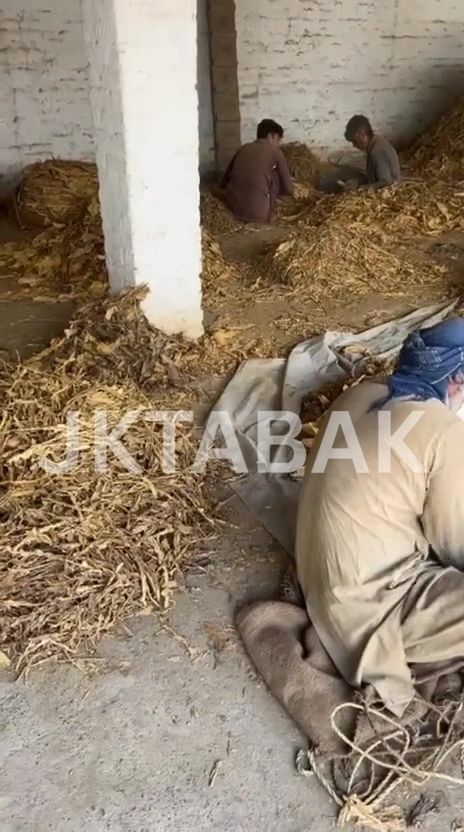
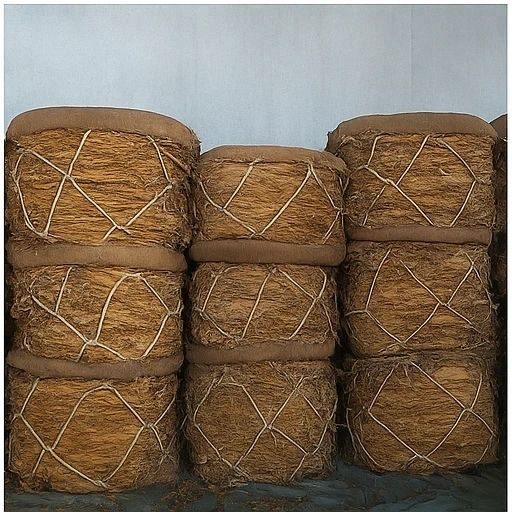
Photos and video from our lots
Pictures and clips of leaf we handle. For current photographs or video of a specific lot, ask us. The full sets are on the gallery and videos pages.