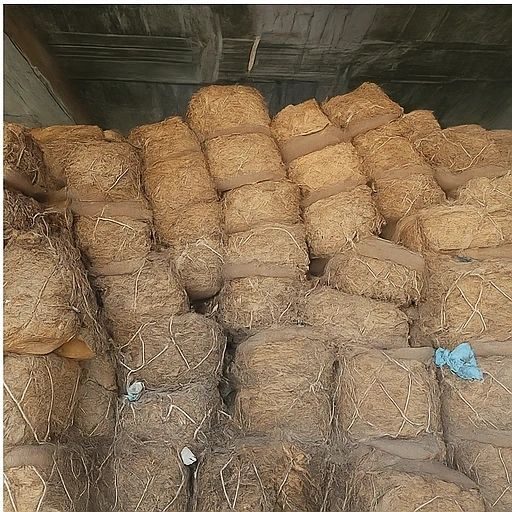
- Minimum order: 1 container (about 20 t)
- Sourced to your specification
- Sample on request, where lawful
- Export documents supplied
Before you order: what to know and what to check.
Oriental basics and how we supply it
What oriental tobacco is
Oriental, sometimes called Turkish-type, tobacco has small leaves and is sun-cured. It is traditionally grown in the eastern Mediterranean and the Balkans. The leaf is light in body but high in aroma, with a spicy, aromatic note that is hard to get from other types. Because it is so aromatic, a blender normally uses it as a small share of the mix, with FCV or burley making up the base.
Where it is used
- As an aroma and taste component in cigarette blends
- In pipe tobacco and specialist mixes
- In custom blends where an oriental note is part of the recipe
How we supply it
We offer oriental leaf machine-stemmed and as part of blends. It is sourced to your specification, so origin, crop year and chemistry are confirmed per lot and oriental is quoted per enquiry rather than from a price list. Machine-stemmed tobacco explains how that form works.
What to put in an enquiry
- The style or origin you are after, and the crop year if it matters
- Leaf size and colour expectations
- Nicotine and moisture targets
- Quantity (minimum one container) and destination port
Terms, packing and documents are on the wholesale terms page.
Types, growing and quality
The oriental family
“Oriental” covers a group of small-leaved, aromatic tobaccos from the eastern Mediterranean and the Balkans, and each style has its own character. The names buyers meet most often come from the places or varieties the leaf is known for:
- Basma: a fine, aromatic leaf long associated with Greece, Bulgaria and North Macedonia.
- Izmir (Aegean): light, delicate and aromatic, from western Turkey.
- Samsun and Bafra: Black Sea region leaf from Turkey, usually a little heavier.
- Prilep: from North Macedonia, with a rounder taste.
- Yaka: from southern Bulgaria and northern Greece, with a mild, delicate profile.
We do not claim to hold every one of these at all times. Oriental is sourced against your specification, and the name of the style is the first thing to put in an enquiry.
How oriental is grown and cured
Oriental plants are small and closely spaced, and the leaves are harvested in small groups as they ripen. The leaves are threaded on strings and dried in the sun, usually on frames or racks, over a few weeks. The sun gives them a golden yellow to reddish brown colour and concentrates their aromatic oils. This is slower and more labour-intensive than flue-curing, and it is part of why oriental leaf tends to cost more per kilogram than bulk Virginia.
What it does in a blend
Oriental is a seasoning more than a base. A small share gives a blend a recognisable spicy, aromatic note and a pleasant fragrance. Too much and the leaf dominates and may taste thin or bitter. Many classic cigarette blends use a modest share of oriental alongside a larger share of FCV and burley.
Reading the quality of oriental
- Aroma first. Crush a leaf between your fingers. It should smell strongly aromatic, a little sweet and spicy, with no mustiness.
- Colour. Golden to reddish brown, even across the sample. Pale, washed-out leaf may be immature.
- Size. Oriental leaves are small, and size is often a grading criterion in its own right. Specify what you want.
- Condition. The leaf should be clean and flexible. Fines are a risk, because the leaf is fine and fragile.
Buying, packing and positioning
Buying considerations
Because oriental crops are small and vary in style and size, there is more difference between lots than in bulk FCV. For that reason we advise buyers to:
- Name the style or origin they want, or send a reference sample of the leaf they are used to.
- Specify leaf size, colour and nicotine and moisture.
- Test a sample in the blend, since a single leaf’s aroma is easy to misjudge on its own.
- Agree the crop year and the packing before price is fixed.
Our standard minimum is one container. If your requirement is smaller, tell us, because some customers use oriental in blends supplied alongside a larger volume of another type.
Packing and shipping oriental leaf
Fine, aromatic leaf needs protection from crushing and from absorbing other smells in a container. We pack to the form you choose and confirm net and gross weights in the quotation. Read the wholesale terms for terms, and the processing guide for how leaf is conditioned and packed.
Where oriental fits among our other types
If you are building a full blend, you will probably combine oriental with FCV and burley, and sometimes with dark air-cured leaf. A single enquiry can cover all of them. Our blends page explains the process.
Grading, ageing and aroma
Grading oriental leaf
Oriental leaf is graded differently from large-leaf tobaccos. Because the leaves are small and delicate, size is one of the main grading criteria, alongside colour, aroma and condition. In general, graders look at:
- Size class. Small leaves are typically valued for fine blends; larger leaves are more common and cheaper.
- Colour. From pale golden to reddish brown, with evenness within a bale a sign of good sorting.
- Aroma. The most important trait, assessed by smell and by smoking panels.
- Maturity and condition. Fully ripened leaf that is clean, supple and free of mould.
Because aroma is the point of oriental, and because aroma is hard to quantify, many buyers rely on a reference sample, which they match against the lot they are offered.
Fermentation and ageing
After sun-curing, oriental leaf is usually fermented, or “sweated”, in bales or piles for a period. This mellows the leaf and develops its aroma. It is then stored and aged before use. A buyer should ask whether a lot has been fermented, since unfermented leaf can taste harsh and raw, and how long it has been aged.
How buyers evaluate aroma
Aroma is judged by experienced people, not by an instrument. The usual method is to compare a sample with a reference in two ways: by smelling the leaf directly, and by smoking test cigarettes made from it, ideally in a blend that resembles the intended product. If you have a panel, use it. If not, ask a trusted supplier or broker to compare the sample with your reference. This is slow, but it is the only dependable test.
Price, specification and combining
Why oriental costs what it does
- Plants are small and yield less per hectare than large-leaf tobacco.
- Leaves are harvested in several small pickings and threaded by hand.
- Sun-curing takes weeks and depends on the weather.
- Sorting and grading by size and colour take skilled labour.
- Demand is concentrated in a few blend styles, and supply is limited by region.
The practical consequence is that oriental is bought in smaller quantities, relative to its price, and a little goes a long way. If a recipe uses a small share of oriental, even a large factory may need only a modest quantity.
A sample specification for oriental
This is an example of the format only:
Oriental leaf, style [named], crop year [year], small leaf class, golden to light brown, fermented and aged, aroma matching the attached reference, moisture at shipment [range], machine-stemmed strips with fines under [limit], packed in [form], one container, FOB Karachi, sample from the lot to be approved before shipment.
Combining oriental with other types
The usual pattern is to use FCV for the sweet base, burley for the body and oriental for aroma. If you are developing a new blend, test a range of oriental shares in small batches and compare, since the effect is non-linear: a few percentage points can change the taste a lot. Our blends page and the guide to specifying a blend show how we work with a brief.
Tobacco is harmful to health. JKTabak supplies tobacco leaf to licensed commercial buyers only (manufacturers, processors, importers and distributors). The buyer is responsible for confirming that import, purchase and resale of tobacco is lawful in the destination country.
Photos and video from our lots
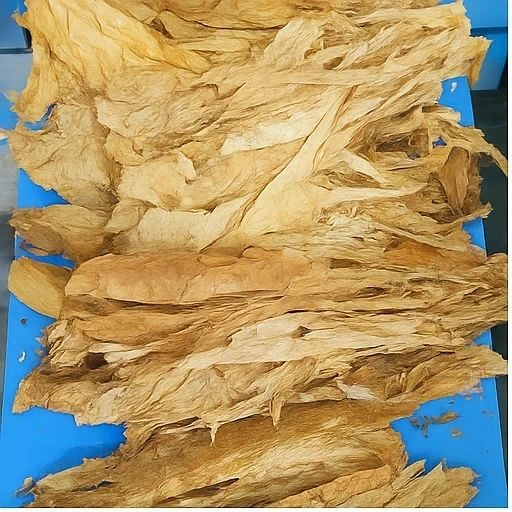
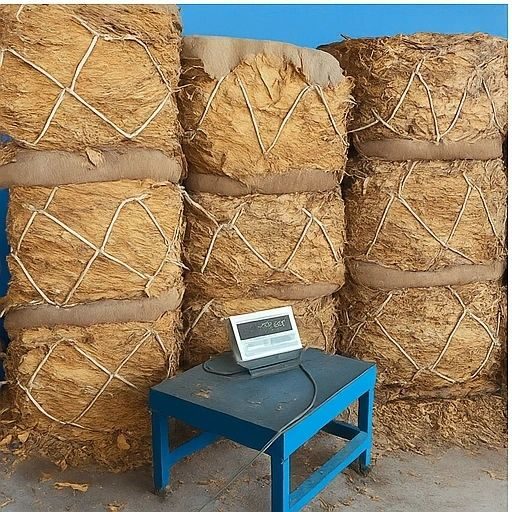
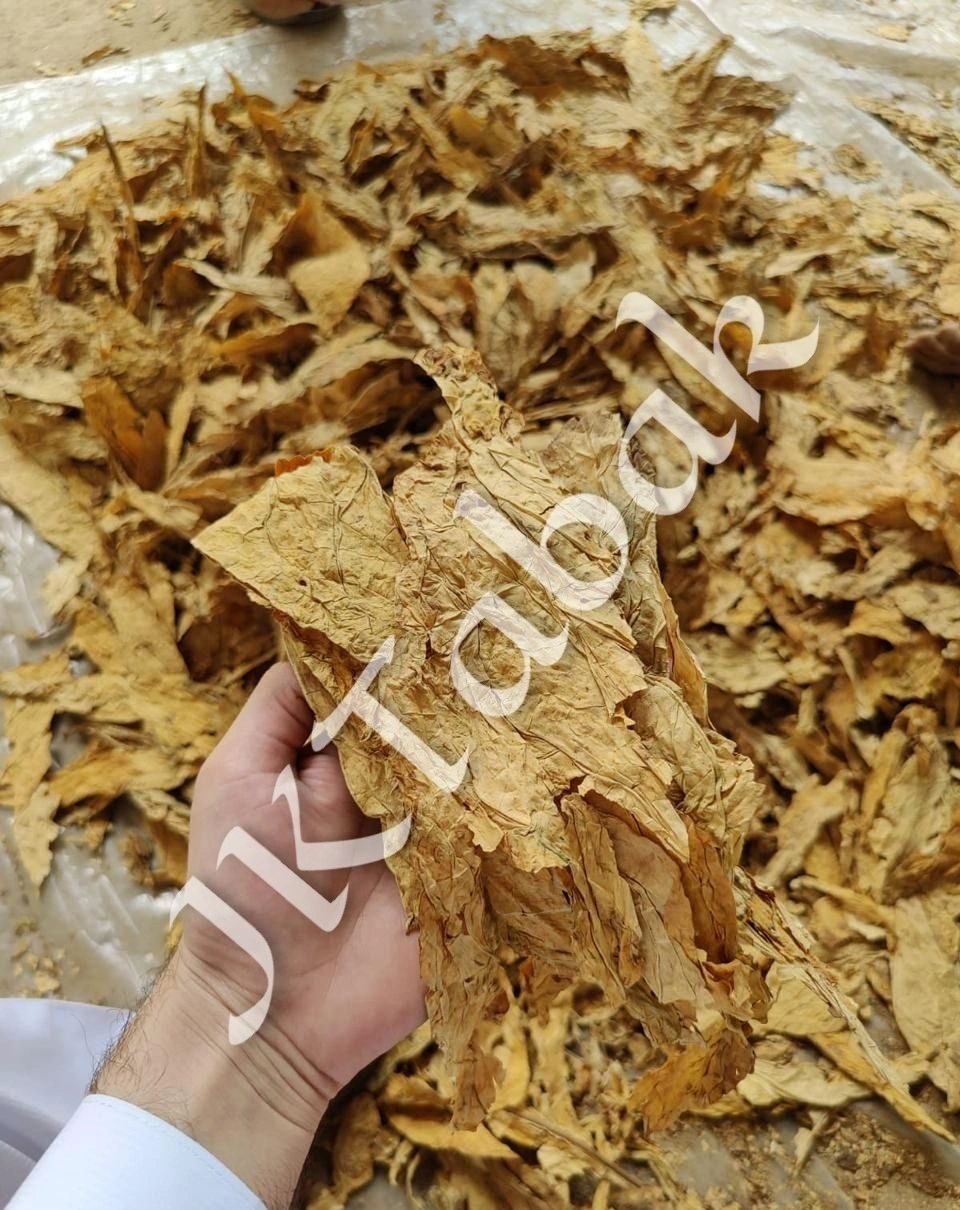
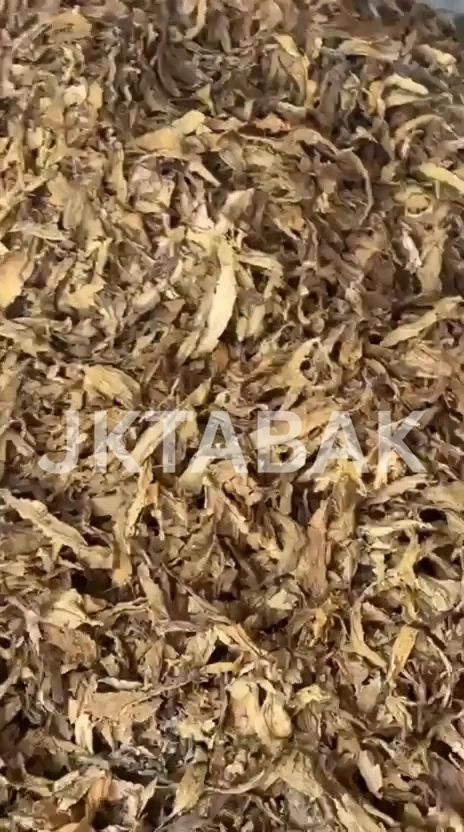
Pictures and clips of leaf we handle. For current photographs or video of a specific lot, ask us. The full sets are on the gallery and videos pages.