Order a custom tobacco leaf blend

Send a target and a sample: we propose a mix from lots we hold, you approve it, and we blend, pack and ship by the container.

  • Minimum order: 1 container (20 tons)
  • FOB Karachi, Pakistan
  • Indicative $8–12 per kg
  • Samples on request
PricingQuoted per orderSourced to your specification
  • Minimum order: 1 container (about 20 t)
  • Built to your specification
  • Sample on request, where lawful
  • Export documents supplied
Buyer’s guide

Before you order: what to know and what to check.

How blends are built

What goes into a blend

Blends we build

  • Cigarette and cut-rag: FCV with burley and, in small share, oriental
  • Roll-your-own: balanced for rolling and a steady burn
  • Cigar filler: filler mixes for cigar makers (see cigar leaf)
  • Pipe and chewing: built from the darker, fuller leaf
  • Fully custom: from your written specification

How a blend is developed

  1. You send a target: nicotine, sugar, strength, colour, moisture, form, and a reference sample if you want one matched.
  2. We propose a mix from lots we hold and send a sample for approval.
  3. The agreed blend goes into the contract with tolerances, so the next container matches the first.

A blend has to be built on a written specification, not on words like “mild” or “premium”. Our post on how to specify a leaf blend shows what a good brief contains. Blends are made from the leaf on our strips and loose leaf lists. Terms: wholesale terms.

What a blend brief looks like for different products

The key parameters differ from product to product. This table shows what a manufacturer typically specifies for each, as a guide to writing your own brief. It is not our recipe for any product.

What manufacturers commonly specify
ProductTypical leaf typesParameters to specify
Cigarette (American blend style)FCV, burley, a little orientalNicotine, sugar, case-ability of burley, strip or cut size, moisture
Roll-your-ownFCV-led, sometimes with burleyTaste, sweetness, cut width, moisture, burn
Pipe tobaccoFCV, burley, oriental, dark leafCut style, casing, moisture, aroma target
Cigar fillerDark air-cured and cigar leafStrength, burn, leaf position, long or short filler
Chewing and snuffDark air-cured and burleyMoisture, particle size, nicotine

Blending in practice

How leaf blending is done

In a bulk blending process, the components are laid in layers or metered in precise proportions, then mixed so that the blend is uniform. Good practice includes sampling the blend at several points to check that nicotine, sugar and moisture are consistent, and keeping records of which lots went into each batch. A blend that is not mixed thoroughly shows up later as a product that varies from pack to pack.

Keeping a blend consistent from one order to the next

Leaf is an agricultural product, and the lots that made your first blend will not last for ever. A repeatable blend depends on:

  • A written specification with targets and tolerances, not a description.
  • Retained samples of each approved batch, so a later batch can be compared with it.
  • A substitution plan, agreed in advance: what we may replace a component with, and how you approve it.
  • Lead time. Tell us your forecast so we can reserve lots that will be needed for repeat orders.

Matching a reference sample

If you already have a product to match, send us a sample of the leaf or the finished cut, with the numbers you know. We cannot reproduce a flavour from a description, but we can look for a combination of lots we hold that comes close. You then test it and give feedback, and we adjust. Expect two or three rounds for a demanding product.

Limits and honesty

  • We supply leaf blends, not flavoured or finished products.
  • We cannot guarantee a taste. We can guarantee that a blend meets the measured specification you agree.
  • Where a component is single-lot and cannot be repeated, we will say so up front.

Our guide to specifying a leaf blend has a longer checklist, and our wholesale terms cover packing and shipment.

A hypothetical blend development

To show how a blend comes about, here is an invented example. A manufacturer of roll-your-own tobacco wants a medium-strength blend with a sweet character and a nutty undertone. The steps might be:

  1. The manufacturer sends a brief with a nicotine and sugar target, a colour reference and a sample of its current product.
  2. We pick two FCV grades and a burley that bracket the target and propose a first mix.
  3. We send a sample, and the manufacturer cuts and tests it.
  4. The manufacturer reports that it is slightly too sweet and light. We adjust by raising the share of the drier FCV grade and the burley.
  5. A second sample is approved, and the final mix and tolerances go into the contract.
  6. The container is blended and packed, with retained samples from the batch.

The details would differ for any real product, but the cycle of brief, sample, feedback and adjustment is typical.

Ageing, packing and quality

Ageing and resting a blend

After blending, leaf often benefits from a resting period in which moisture equalises between components and the character settles. How long depends on the components and the product. If you are going to rest the blend yourself, tell us, so that we can set the moisture accordingly. If you want us to rest it before shipment, say that too, and ask what that will do to the lead time.

Packing a blend

A blend can be packed in the same C48 boxes as strips or in the forms we use for other leaf. Pack the blend so that the components do not separate in transit: loosely packed, mixed leaf can settle and segregate when jostled. Compression and consistent filling reduce that risk. The quotation states the packing and weights.

What the manufacturer is responsible for

A leaf blend is an ingredient. When you turn it into a finished tobacco product, you take on the obligations that go with it, including ingredient reporting, emissions limits, labelling and health warnings in markets that require them. In the European Union, Directive 2014/40/EU is an example. We can tell you what is in the blend, but compliance of the finished product is yours. See the compliance notice.

Five ways a blend goes wrong

  1. The brief was vague. “A bit stronger” cannot be reproduced. A nicotine figure can.
  2. The components were not mixed. Layers or lumps of one grade give a product that varies from pack to pack.
  3. One lot ran out. A component that cannot be repeated changes the blend on the next order.
  4. Moisture drifted. Components at different moisture equalise over time and change in weight and feel.
  5. The trial did not match production. A blend tested by hand on a bench behaves differently on a high-speed line.

Each of these is preventable with a clear specification, thorough mixing, a plan for replacement lots, a moisture target and a proper trial. Those are the same habits we recommend throughout this site.

Blends and your own quality system

A blend is an incoming material that should be tested on arrival against the agreed specification, in the same way as any other. Sample from several packages, test for nicotine, sugar and moisture, compare with the retained approved sample, and record the results. If a batch drifts from the specification, tell us at once, with the data, so we can look for the cause.

Photos and video from our lots

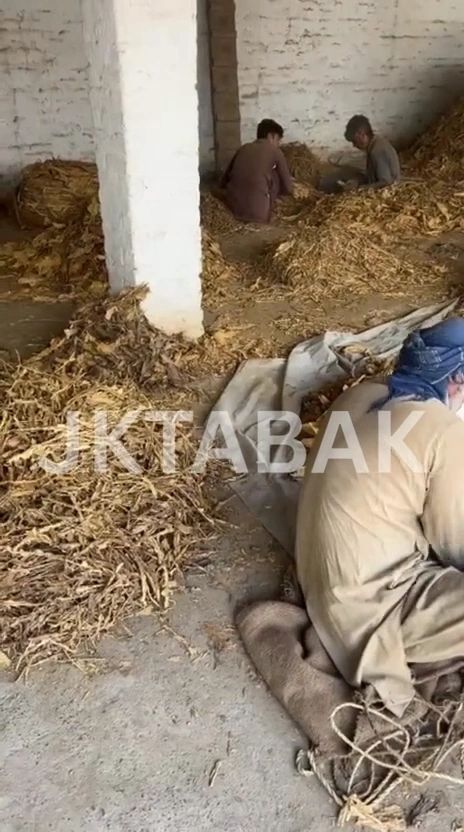
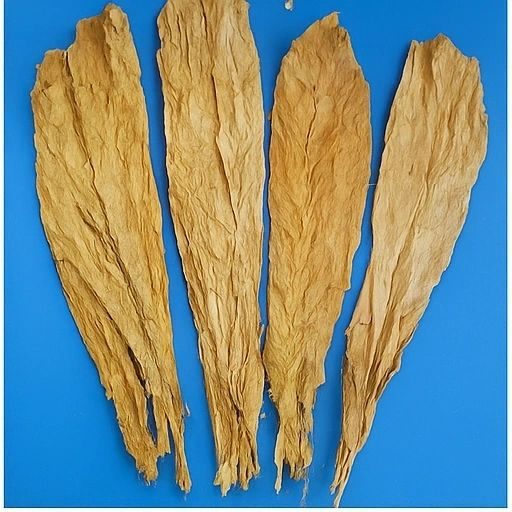
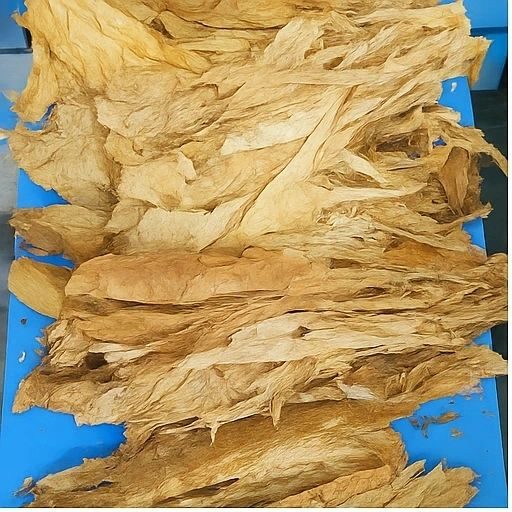
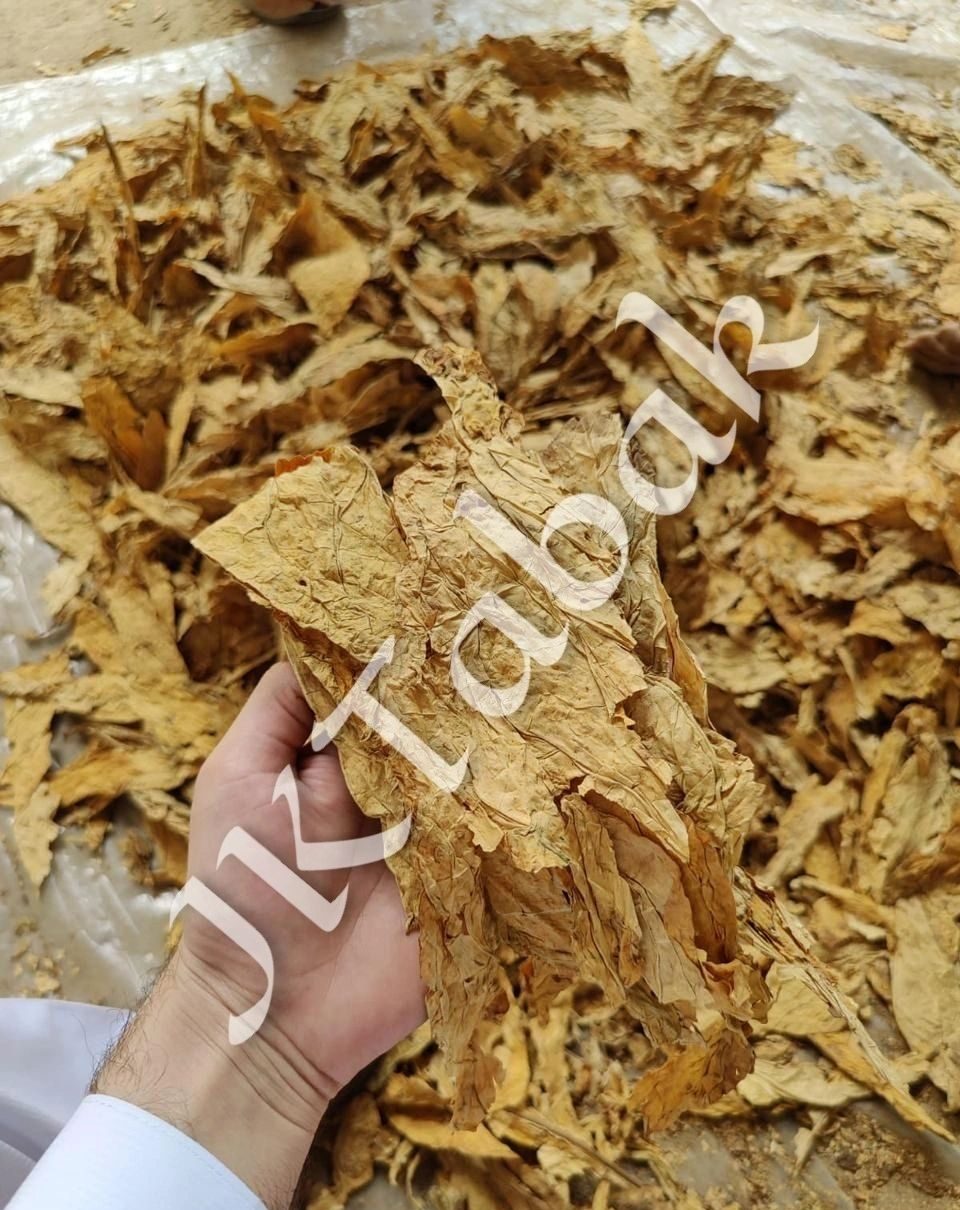
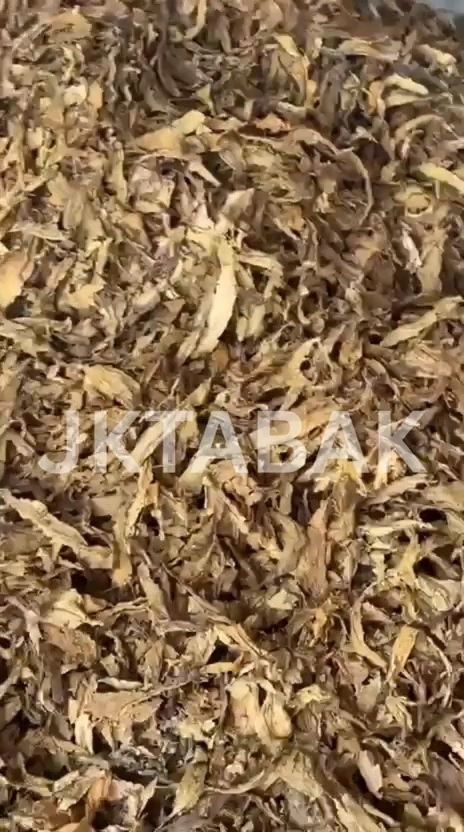
Pictures and clips of leaf we handle. For current photographs or video of a specific lot, ask us. The full sets are on the gallery and videos pages.
Frequently asked questions

Do you sell finished consumer blends?
No. We sell unmanufactured blended leaf to manufacturers, not branded consumer products.
Is there a minimum blend size?
The minimum is one container, about 20 tons.
Can you match a sample I send?
We can propose the closest mix from the lots we hold and confirm it with a sample before the contract.
Can you blend burley and FCV for me?
Yes. Burley is sourced to specification and can be blended with our FCV to your target.
How do I keep my blend consistent?
Write a specification with tolerances, keep retained samples and agree a substitution plan in advance.
Where can I buy bulk tobacco blends?
Manufacturers can order bulk tobacco leaf blends from JKTabak, built from the lots we hold to your target and shipped by the container. This is blended raw leaf, not finished consumer product. Send your recipe or a sample through the contact page and we will propose a mix.
Where can I buy custom tobacco leaf blends from a manufacturer?
JKTabak builds custom leaf blends for licensed buyers: you send a target, we propose a blend, you approve it, and we mix, pack and ship. Because each blend is made to order, pricing is quoted per enquiry. Start with a short description of the profile you need, or post a reference sample.
Where can I buy the best quality tobacco leaf blend wholesale?
Quality in a blend means consistency to your specification, so write one down: components, ratios, nicotine, sugar and moisture. Buyers seeking top quality blended leaf in volume can bring that brief to JKTabak, approve a sample, and only then order the container. Ask how repeat lots will be kept matched to the approved sample.
Who is the best supplier of custom tobacco blends?
Pick on evidence: can they match a sample, document the recipe, repeat it next crop year and supply export papers? JKTabak has 20 years in raw leaf and sells blends only to licensed manufacturers. Send a sample and see how closely we can match it.
How much does a custom tobacco blend cost per kg?
Blend pricing is quoted per order, because it follows the lots, ratios and quantity you choose. As a guide, the straight FCV grades it draws on sit between $8 and $12 per kg FOB Karachi, with burley and oriental priced per enquiry. The written quotation fixes the blend rate.
What affects the price of a tobacco leaf blend?
The components decide most of it: sweet bright FCV, burley, oriental and dark air-cured leaf all price differently. Ratios, form (loose or stemmed), crop year, packing and how tightly you want the profile matched also matter. Your quotation reflects those choices, which is why blends are quoted per order rather than from a fixed list.
Can I get a sample of a tobacco blend before ordering?
Yes, where lawful. We can propose a mix, and a sample lets you test it in your own cutting and conditioning line before you agree to a container. Say what product you make, and which blend profile you are after, so the sample is built around the right mix of components.
How are tobacco blends shipped and packed?
Blended leaf is packed to the specification set out in your quotation and shipped by container from Karachi, normally on FOB terms. Packing varies with the leaf forms in the blend, so agree it up front along with the lot labelling you need, and plan dry storage for the delivered stock.
Which tobacco blend is best for cigarettes?
Cigarette blends commonly use flue-cured Virginia for sweetness and a bright smoke, burley for body, and a small share of oriental for aroma. The ratio depends on the style you want, such as lighter or fuller. Share your target and we will suggest a starting mix.
Which blend of tobacco leaf is best for roll-your-own?
RYO blends are usually balanced for easy rolling and a steady burn, built mainly on FCV with burley added for body. The right ratio depends on how mild or full you want the result, so send a reference sample for us to match, plus the cut width your machines run.
What is the difference between a tobacco blend and single-grade tobacco leaf?
Single-grade leaf is one type and grade, which you blend yourself. A leaf blend is a mix of several grades or types combined to hit a profile. Buying the blend saves you the mixing work and helps keep each delivery consistent, while single grades give you more control.
How do I import tobacco blends into my country?
Confirm your licence, customs and excise requirements for unmanufactured tobacco, agree FOB terms, and book freight to your port. The shipment then clears customs using the export papers supplied with it. The export and import guide explains the full sequence, including what to have ready before arrival.
Is it legal to import tobacco leaf blends?
Licensed manufacturers can usually import blended raw leaf, but rules vary widely between countries, and some treat blended leaf differently from single grades. Ask your customs authority first. Legal advice sits outside what we offer, but we can describe the product precisely, including each component and form, to help your agent classify it.
What documents come with a tobacco blend order?
Export documents accompany each blend shipment, and the exact set is written into your quotation, since importing countries ask for different things. If your authority needs a specific paper, let us know early in the enquiry so we can confirm whether it can be supplied, rather than discovering a gap when the container is already at sea.
How do I check the quality of a tobacco blend?
Compare the delivered blend with the approved sample: colour mix, smell, moisture, stem and fines. Draw samples from several packages and check that components are evenly distributed rather than clumped. Keep a sealed retained sample so later lots can be matched against it, and report any difference promptly under the inspection period in your contract.
Which tobacco leaf blend is best for shisha?
Molasses shisha usually calls for a lighter, sweeter leaf, often Virginia with some burley, while darker regional styles use stronger leaf. Our shisha base leaf page explains the choices. Tell us your flavour range and cut size, and we can suggest a trial mix for you to test.
What types of tobacco can go into a custom leaf blend?
We build blends from FCV for sweetness, burley for earthiness and body, oriental for spice and aroma, and dark air-cured for depth and boldness. See burley and oriental for what each adds, and tell us the share of each you want in the final mix.
How do I specify a custom tobacco leaf blend recipe?
Write down the profile you want: components and rough ratios, nicotine and sugar targets, moisture, acceptable stem and fines, quantity and destination port. If you have no recipe, send a physical sample and we will suggest a blend from the lots we hold, which you can then adjust before approving.
Where can I buy tobacco leaf blends made from Pakistani leaf?
JKTabak blends leaf sourced in Pakistan and ships it from Karachi, so a blend ordered from us is built on Pakistani lots. It is made to your specification, sold by the container and supplied with export documents, and you can ask which crop year each component comes from before approving the mix.
Where can I buy tobacco leaf blends in Europe?
European manufacturers can reach our Oudenaarde, Belgium office to discuss a blend, while the leaf itself is blended and shipped from Pakistan. We serve licensed trade buyers only. Send your target blend, quantity and discharge port, and we will quote; a sample request can run in parallel so testing starts early.
Next step

Request a quotation

Tell us the tobacco type, form, quantity and destination. We reply with current availability and an offer.

WhatsApp