- Minimum order: 1 container (about 20 t)
- Wrapper and binder sourced per order
- Sample on request, where lawful
- Export documents supplied
Before you order: what to know and what to check.
Cigar leaf: roles, supply and enquiries
The three roles
- Wrapper is the outer leaf. It has to be thin, elastic and free of blemishes, and it contributes a large share of the flavour. Shades run from light (Claro) through medium (Colorado) to dark (Maduro).
- Binder holds the filler together. It needs medium body, strong veins and elasticity, with a neutral flavour that does not fight the wrapper or filler.
- Filler is the core of the cigar and sets its strength and character. It is aged and cured for even combustion, and is bought as short filler, long filler or a blend.
What we supply
We trade cigar-specific wrapper, binder and filler sourced internationally, for example shade-grown wrapper, Habano-seed binder and filler from regions such as Nicaragua, Honduras, the Dominican Republic and Indonesia (Sumatra). Availability depends on crop and origin, so each is quoted per enquiry.
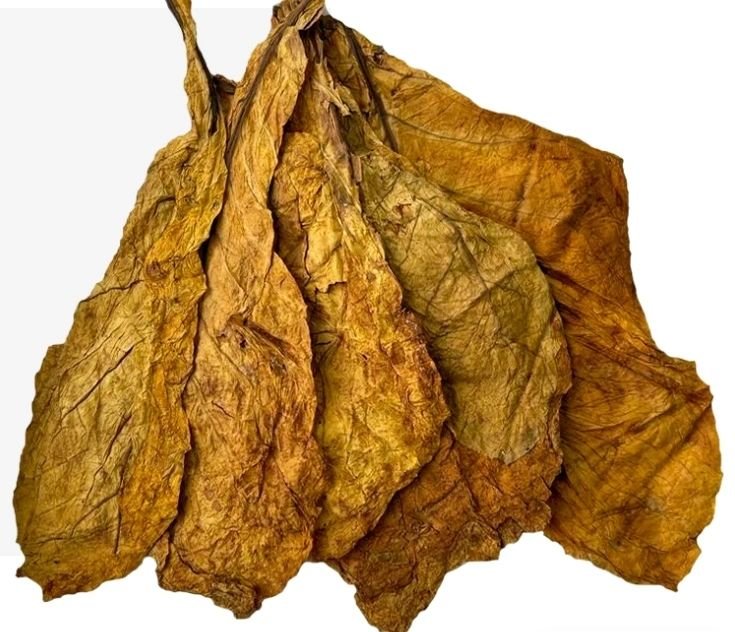
Alongside it we supply our own Pakistani dark air-cured leaf as a filler and body component. Its indicative prices are in the loose leaf and strip tables.
Who buys it
- Handmade and machine-rolled cigar makers
- Boutique and private-label cigar brands
- Blending houses and leaf brokers
Checks before shipment
Each lot is inspected by eye and by hand, graded, checked for moisture and checked for colour and vein consistency against the written specification.
How to ask for cigar leaf
Give the leaf role, preferred origin and variety, shade, quantity and destination. Packing is matched to the leaf: wrapper is packed to protect its condition. Terms and documents are on the wholesale terms page.
Growing, wrappers and fermentation
How cigar leaf is grown differently
Cigar tobacco is not a different species from other tobacco, but the way it is grown, harvested and treated is very different. Wrapper in particular is a specialist crop. The best-known wrapper is grown under shade cloth, which filters the light, keeps humidity up and produces thin, fine-veined, elastic leaves. Binder and filler are often grown in full sun, giving thicker leaf with more flavour. Wrapper leaves are handled with extreme care because a tear or a hole makes a leaf useless for its job.
Priming positions in cigar filler
Cigar makers describe filler leaf by where it grew on the plant, because each position has a role in the blend. These names come from Cuban tradition and are widely used in cigar-growing countries:
| Name | Position | Role in the blend |
|---|---|---|
| Volado | Bottom | Very mild and light; mostly a burn aid that helps the cigar stay lit |
| Seco | Lower middle | Mild to medium; contributes aroma and burns well |
| Viso | Upper middle | Medium to full; adds flavour and body |
| Ligero | Top | Strongest and slowest burning; adds power and complexity |
A long-filler blend usually combines several of these, which is why a good supplier asks what strength and burn you want rather than just “filler”.
Wrapper shades
Wrapper colour is a commercial category in its own right. In rough order from light to dark: Candela (green), Claro (light tan), Colorado Claro, Colorado (reddish brown), Colorado Maduro, Maduro (dark brown) and Oscuro (very dark). The colour comes from the leaf’s variety, its position on the plant, how it was cured and how long it was fermented. A shade is a style preference, so say which one you want and send a reference if you have it.
Fermentation and ageing
After curing, cigar leaf is fermented in piles or bulks that heat up on their own. Fermentation drives out ammonia, mellows harsh flavours and darkens the leaf. After fermentation, the leaf is usually aged for months or years before it is rolled. Leaf that has not been fermented and aged properly can taste harsh and burn badly, so ask how the leaf you are offered has been processed and how long it has rested.
Binder and wrapper requirements in detail
- Wrapper: thin, supple, with small veins, even colour and no holes. It needs to stretch around the roll without tearing and burn evenly.
- Binder: elastic and strong, with a neutral taste. It must hold shape and not flavour the cigar more than the blender wants.
- Filler: well-aged and even in burn. Long filler (whole leaves) tends to give a cooler, smoother smoke; short filler (pieces) is cheaper and burns hotter.
Packing, pests and briefing us
How cigar leaf is packed and moved
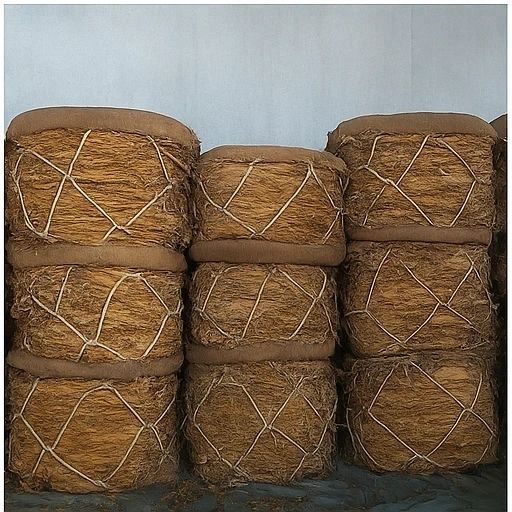
Cigar leaf is more fragile and moisture-sensitive than bulk cigarette tobacco, so it is packed more carefully. In the trade it is often shipped in bales; the Spanish names tercio and fardo are used for particular bale types. The key points are to keep the leaf at the right moisture so it stays pliable but does not mould, and to protect the leaf from crushing and from absorbing smells. We confirm packing, weights and moisture in the quotation.
Pests in cigar leaf
Cigar leaf is prone to the same stored-product pests as other tobacco, especially the tobacco beetle. Beetle holes in wrapper make it unusable. Clean stores, dry conditions, regular inspection and, where required by the destination or by the buyer, fumigation are the usual defences. Mention your requirement when you enquire.
How to brief us for cigar leaf
- Role: wrapper, binder, filler, or a mixed order.
- Variety and origin you prefer. Examples include shade-grown wrapper, Habano-seed binder and Sumatra-type wrapper.
- Shade and size for wrapper.
- Priming positions and strength for filler.
- Moisture at shipment, packing form and weight.
- Quantity (minimum one container) and destination.
If your market is regulated, check whether any of your finished cigars need special labelling or ingredient controls. Those rules apply to the cigar maker rather than the leaf supplier; see our compliance notice.
Grading, testing and handling
How cigar leaf is graded
Cigar leaf grading is more detailed than for bulk cigarette tobacco. Graders look at colour, size, texture, elasticity, vein pattern, and defects such as tears, holes, spots and uneven colour. Wrapper is graded most strictly: a leaf has to be both elastic and visually flawless. Binder is graded on elasticity and size. Filler is graded on strength, aroma and burn. The result is a series of classes, from the most valuable down to the less perfect leaf, which can still be used in filler.
The test-roll: the practical quality test
A leaf buyer who wants to know whether a lot works for a cigar will usually roll test cigars. This simple test tells you more than a chemical analysis:
- Roll a small number of cigars with the leaf, in the blend and the shape you intend to make.
- Let them rest for the normal period.
- Check how the wrapper handles and whether it tears or cracks.
- Smoke them and judge the burn, the ash, the draw and the flavour.
Look at the ash: a firm, light grey ash is generally associated with a good burn; flaky, dark or uneven ash suggests problems with leaf or blend. If you cannot test-roll, ask a trusted maker to do it for you.
Moisture and humidity
Cigar leaf has to be pliable to work with, and it is sensitive to moisture in both directions. Too dry and it cracks when rolled; too wet and it can mould or ferment. Finished cigars are commonly stored at around 65 to 72 per cent relative humidity, and leaf is held in similar conditions. Keep the leaf in a cool, controlled store, check it regularly and keep it away from direct heat and from strong smells.
Cigar leaf bales and handling
Cigar leaf is packed to protect it from crushing and moisture change. Bales are tied and often wrapped, and they should be handled with care, since broken or compressed leaf loses value. On arrival, open a sample package, check its condition and moisture, and let the leaf rest in suitable conditions before use. If the leaf has been through a long journey, it may need time to settle.
Specification and origins
A sample cigar leaf specification
As an example of format only:
Wrapper, shade-grown, Claro to Colorado, size [range], free of holes and tears, elastic, 2025 or 2026 crop, fermented and aged, moisture [range], packed in [bale type], [quantity], FOB, sample from lot for test-rolling before shipment.
Origins and styles
Different regions are known for different strengths. Connecticut Shade is known for fine, light wrapper. Habano seed is associated with stronger, spicier leaf in Central America. Sumatra-type wrapper from Indonesia is valued for its thin, elastic leaf. We source from these and similar origins to buyer specifications and subject to the crop, and we say plainly when a leaf is not available. Because origin and crop determine so much, wrapper, binder and filler are quoted per enquiry rather than from a price list.
Tobacco is harmful to health. JKTabak supplies tobacco leaf to licensed commercial buyers only (manufacturers, processors, importers and distributors). The buyer is responsible for confirming that import, purchase and resale of tobacco is lawful in the destination country.
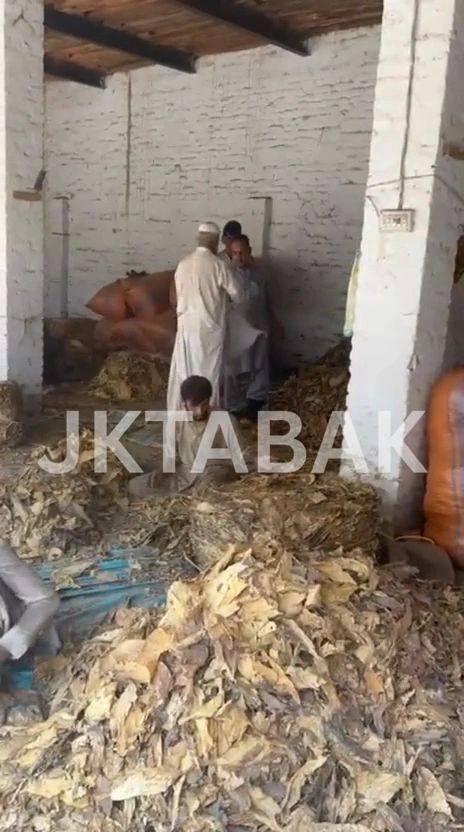
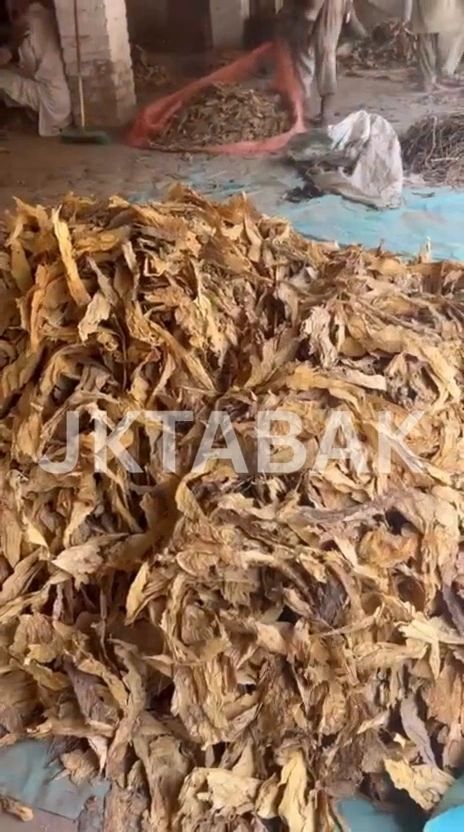
Photos and video from our lots
Pictures and clips of leaf we handle. For current photographs or video of a specific lot, ask us. The full sets are on the gallery and videos pages.