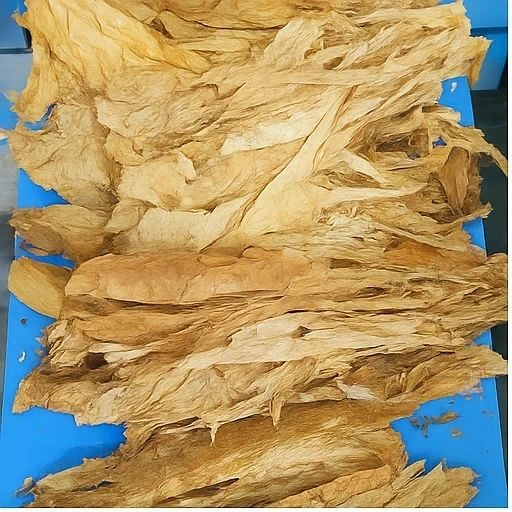
- Minimum order: 1 container (about 20 t)
- Ready to pack and ship
- Sample on request, where lawful
- Export documents supplied
Grades you can order now
Before you order: what to know and what to check.
What dark air-cured tobacco is and what we supply
What dark air-cured tobacco is
Dark air-cured (DAC) tobacco is cured by natural air movement in well-ventilated barns, with no added heat. The result is a dark brown leaf with a deep aroma. It is lower in sugar and, in our lots, lower in nicotine than flue-cured Virginia.
What we supply
Our DAC grades are DV-MM-1 (Grade 1) as loose leaf, DV-MM-1 and DV-MML-1 as strips, and a low-nicotine 1.3% DAC loose grade. Values and indicative prices are in the loose leaf table and strips table, so they exist in one place only.
Where it is used
- Chewing tobacco and snuff, particularly in South Asian and Middle Eastern markets
- Hand-rolled and traditional smoking blends, and some hookah mixes in markets that prefer air-cured leaf
- Cigar filler and body, often with imported wrapper and binder (see cigar leaf)
- Light blends, where a low-nicotine, low-sugar component balances a stronger leaf
Loose or processed
Loose leaf gives you full control over cutting and blending. Strips cut your preparation time. DAC strips come hand-stemmed or machine-stemmed in C48 export boxes.
Terms, packing and documents are on the wholesale terms page.
Curing and character
Air-cured versus fire-cured
The word “dark” appears in two different curing methods, and it is worth keeping them apart. Dark air-cured leaf, which is what we supply, is dried slowly by natural air movement in a barn, with no heat and no smoke. Dark fire-cured leaf is cured over smouldering wood fires, which gives it a smoky aroma and a much stronger taste. If a buyer asks for “dark tobacco”, it is worth confirming which of the two they mean, because they are used for different products.
How dark air-cured leaf is cured
Plants or leaves are hung in a well-ventilated barn and left to dry naturally over several weeks. As the leaf dries it darkens through oxidation, going from yellow-green to a rich, dark brown. The speed of the cure matters: too fast and the leaf dries before it has coloured evenly; too slow and humid weather can encourage mould. Experienced curers watch the weather and open or close barn vents to control the air.
What the leaf is like
- Colour: medium to dark brown, often uneven in shade within a single bundle.
- Aroma: deep, rich, sometimes slightly sweet or cocoa-like, with no smoke.
- Sugar: low, because it is consumed during curing.
- Nicotine: in our lots, low, between 1.1% and 1.3%. This varies by crop and other producers’ leaf may be much stronger.
- Body: heavy and full, with good texture for chewing and snuff products.
Where dark air-cured leaf is used
The main uses are products that want a full, low-sugar leaf:
- Smokeless products, such as chewing tobacco and various snuff-style products, in many markets across South Asia and the Middle East.
- Cigar filler and body, alone or with imported wrapper and binder.
- Hand-rolled and traditional pipe or smoking blends, where a darker, less sweet leaf is preferred.
- Some hookah mixes in markets used to air-cured leaf.
- Blends, where a small share of dark leaf adds depth to a lighter mix.
Smokeless tobacco is not a safe alternative to smoking. The WHO notes that smokeless tobacco products cause serious harm, and that is the reason strict rules apply in many countries. Our compliance notice explains our position.
Grades, checking, storage and ordering
Our grades in context
We list dark air-cured leaf under the grade codes DV-MM-1, DV-MML-1 and a DAC loose grade. They are our lot codes, and their values and indicative prices are in the loose and strip tables. The key thing for a buyer is the contrast with the FCV grades next to them: nicotine and sugar are both far lower. If you are replacing one with the other in a recipe, expect the taste, the smoke and the absorbency to change.
Checking a DAC sample
- Smell it. It should smell deep and rich, not musty or sour. Air-cured leaf is vulnerable to mould, so this is the first test.
- Check the colour range. Some variation is natural, but patches of black or very pale leaf are a concern.
- Feel it. It should be pliable, not brittle or damp.
- Look for stems, dust and foreign matter, and for insect damage.
- Ask for the nicotine and moisture result for the lot.
Our guide to checking a leaf sample gives the full routine.
Storage
Because dark air-cured leaf can hold moisture, store it in dry conditions with good ventilation and check it regularly. Keep the leaf off the floor, keep the moisture within the contract limit, and rotate stock. If you intend to hold leaf for a long time, discuss the packing and any treatment with us beforehand.
How to order
Send us the form you want (loose, hand strips or machine strips), the quantity and destination, and any limits on moisture, fines and stems. We will respond with the lot we can offer, a sample and an indicative price. Terms are on the wholesale terms page.
Comparison, processing and logistics
DAC and burley compared
Both are air-cured, which sometimes causes confusion. They differ in variety, growing practice and the finished leaf.
| Dark air-cured | Burley | |
|---|---|---|
| Cure | Air-cured, slowly, in barns | Air-cured, slowly, in barns |
| Colour | Dark brown | Light to medium reddish brown |
| Body | Heavy and full | Medium, open |
| Sugar | Low | Low |
| Nicotine | Low in our lots; varies by origin | Typically higher |
| Absorbency | Good | Excellent |
| Typical use | Chewing, snuff, cigar filler, traditional blends | Cigarette, pipe and RYO blends |
If you are replacing one with the other in a recipe, expect to change the taste, the colour and the casing needs. Test before you commit.
Processing dark leaf
Dark air-cured leaf is heavier and more leathery than bright leaf, and its stems are thicker. That affects processing in practical ways. It needs thorough conditioning before stemming, and a machine line may need different settings from those used for flue-cured leaf. Because it is darker, defects such as mould are harder to see by eye and are easier to detect by smell. These are good reasons to ask for a sample and to run it through your own equipment.
Strips or loose?
We list DAC as loose leaf and as strips. Loose DAC suits buyers who process in-house. Strips suit buyers who want less preparation. For snuff and chewing products, where the leaf is ground or cut finely, a loose lot can be cost-effective if you have the equipment. For a cigar maker who wants filler leaf with minimal stem, strips save labour. The loose leaf page explains how to compare the two.
Low nicotine does not mean mild in every sense
The nicotine figure in our DAC grades is low compared with FCV. It does not mean the leaf tastes mild: dark leaf has a heavy, rich character even at low nicotine, and it burns differently. Equally, a lower nicotine figure is not a statement about health. The figure is a measurement, and we describe it for specification purposes only.
Packing and logistics
Loose DAC goes in jute bags and strips go in C48 export boxes. The leaf can hold moisture, so a dry container and dry storage matter. Ask for the moisture at shipment and set a limit, and inspect the bags on arrival for dampness or mould. Our processing guide explains why moisture matters at every stage.
Tobacco is harmful to health. JKTabak supplies tobacco leaf to licensed commercial buyers only (manufacturers, processors, importers and distributors). The buyer is responsible for confirming that import, purchase and resale of tobacco is lawful in the destination country.
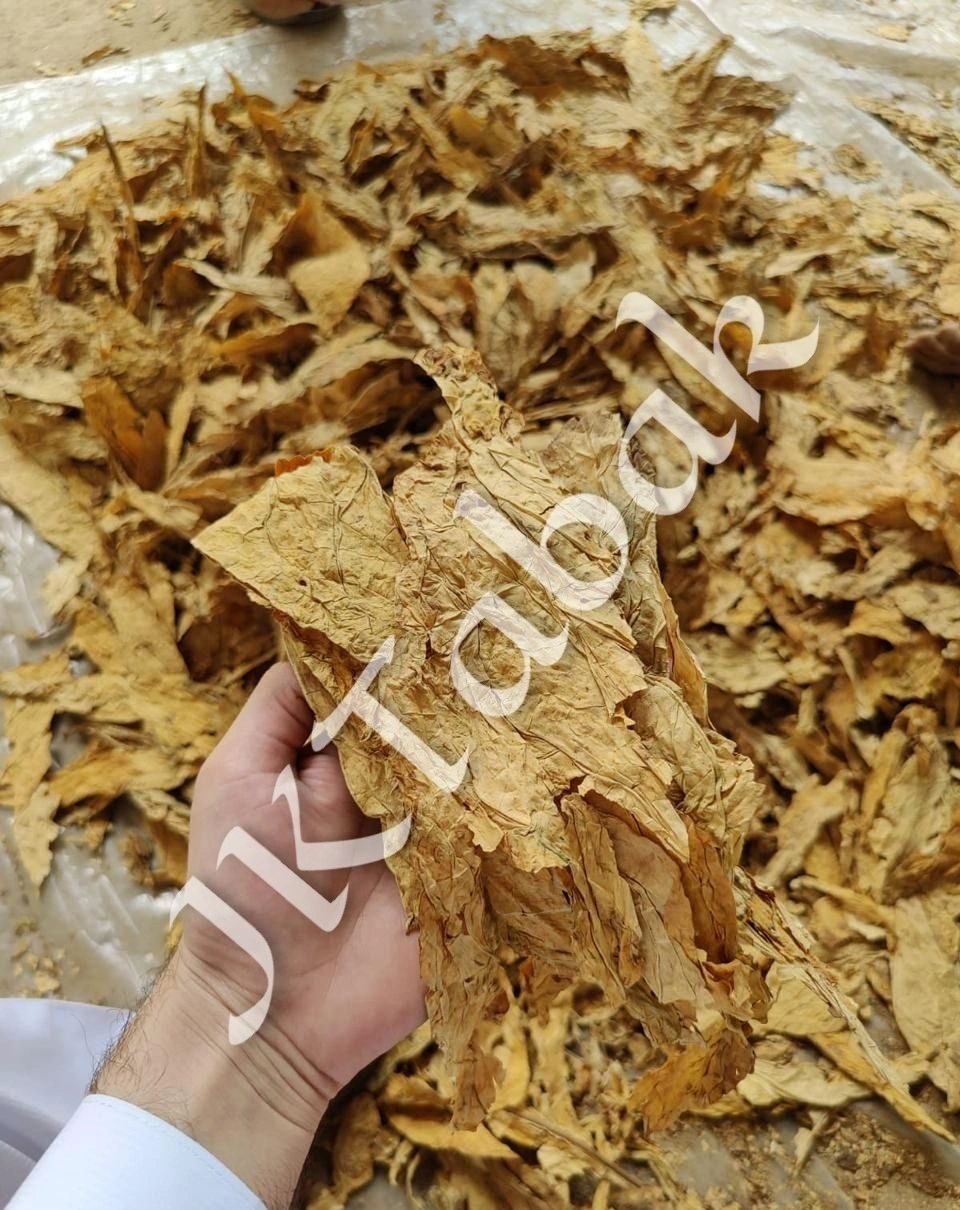
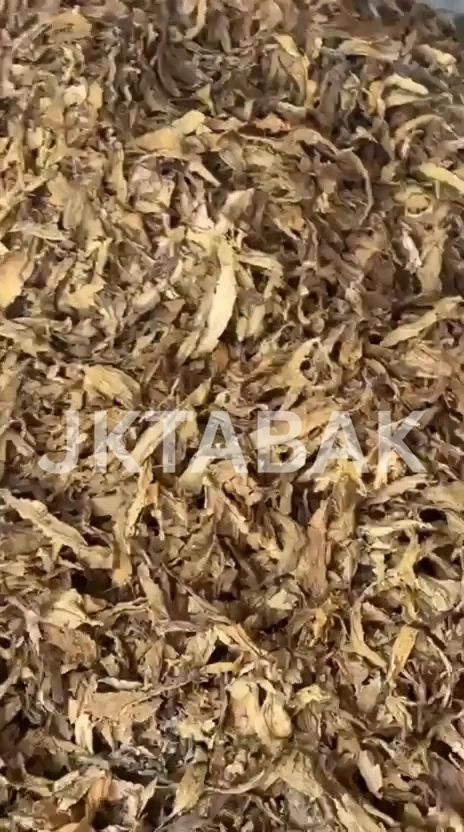
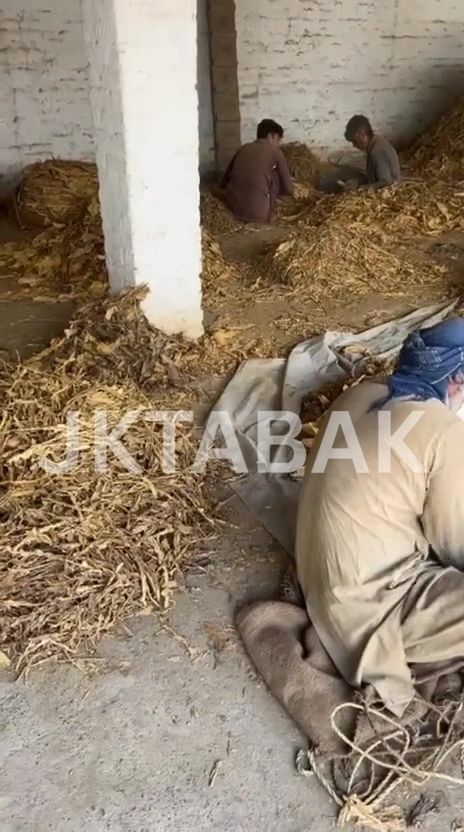
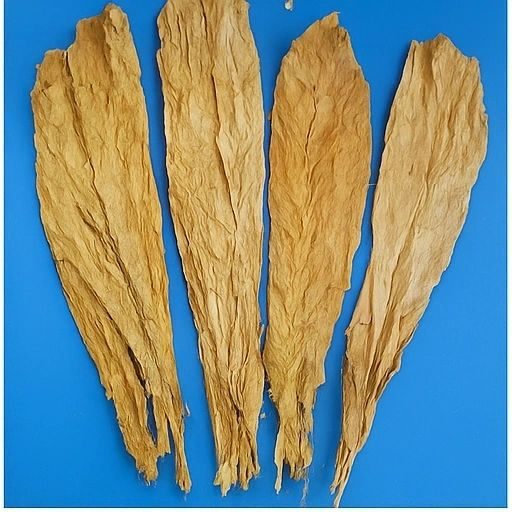
Photos and video from our lots
Pictures and clips of leaf we handle. For current photographs or video of a specific lot, ask us. The full sets are on the gallery and videos pages.