A blend is a mix of grades chosen so that a product tastes, burns and processes the same every time. We build unmanufactured leaf blends for manufacturers; this is how we would brief one.
Writing a blend brief
Start with the job the blend must do
Say what product it is for: cigarette, roll-your-own, pipe, chewing, cigar filler or something else. It sets the tobacco types involved. FCV usually supplies sweetness and a bright smoke, burley supplies body and the ability to take casing, oriental adds aroma in a small share, and dark air-cured adds depth.
Give numbers, not adjectives
- Nicotine target and acceptable range
- Natural sugar target and acceptable range
- Moisture at shipment
- Form: loose, hand-stemmed, machine-stemmed or strips
- Stem and fines limits
- Colour range, if it matters visually
“Mild” means different things to different people. A target of 1.5% to 2.0% nicotine does not.
Send a reference if you have one
If you want to match an existing blend, send a sample of it. We cannot reproduce a flavour from a description, but we can usually find a mix of available lots that lands close, then refine it from your feedback.
Agree tolerances
Leaf is an agricultural product. No two crops are identical, so write down how far from target is acceptable. That is what keeps container two matching container one.
Plan for the second order now
Ask what happens when the lots used in the first blend run out. A good supplier tells you early which components are single-lot and which can be replaced. If you are buying a blend rather than a single grade, the contract should name the tolerance and the way substitutions are approved.
Sample before committing
Run a trial in your own process. Cut size, casing and humectant change how the same leaf tastes, so a blend that looked right on our bench still has to prove itself on your line.
Our standard terms: one container minimum, FOB Karachi. Details on the blends and wholesale terms pages.
Template, mistakes and how we respond
A template brief you can copy
Here is a skeleton for a blend brief. Fill in your own figures. The numbers below are placeholders to show the format, not recommendations.
| Field | Example of what to write |
|---|---|
| Product | Roll-your-own tobacco, medium strength |
| Components | FCV, burley, small share of oriental; or “supplier to propose” |
| Nicotine | Target and tolerance, for instance 2.2% plus or minus 0.2 |
| Natural sugar | Target and tolerance |
| Moisture at shipment | Target and tolerance |
| Form | Machine strips |
| Strip size | Reference sample attached |
| Stem and fines | Maximum percentages |
| Colour | Reference sample attached |
| Quantity and frequency | One container now, with a repeat every three months |
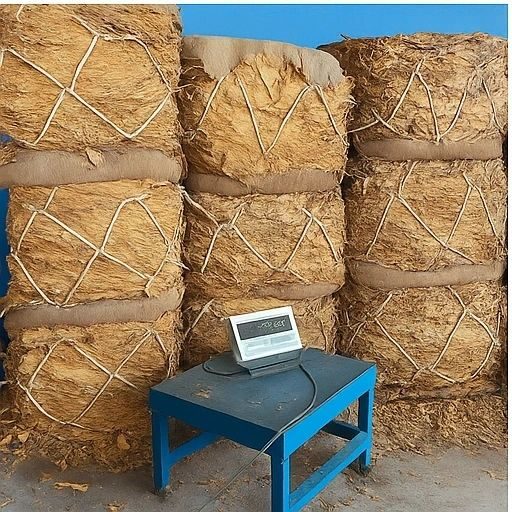
| Packing | C48 boxes, weight per box |
| Approval | Pre-shipment sample approved by your quality team |
Common mistakes in blend briefs
- Using adjectives as targets. “Smooth” and “rich” mean different things to different people.
- Forgetting the process. Casing, flavouring and cut width change how the leaf tastes. Tell your supplier what happens next.
- Ignoring the second order. A blend that cannot be repeated is a problem on day one of the second shipment.
- Leaving out tolerances. Without them, any difference is a dispute.
- Skipping the trial. A blend that works on a bench can behave differently on a production line.
How we respond to a brief
We look at the specification, identify which of our lots could be combined to meet it, and propose a mix. We send a sample for your trial, and you tell us what to adjust. It often takes more than one round, especially for a product that has to match an existing taste. We say honestly if a component is limited and will not repeat, and we say if a target cannot be met with the leaf we hold.
Costing and documenting a blend
Costing a blend
Each component has its own price, and the blend price is the weighted average of those prices, plus any extra processing and packing. A small change in the share of a costly component, such as oriental, moves the price more than the same change in a cheap one. When you compare quotes, ask for the component shares and prices so that you can see where the cost comes from and decide what to trade off.
When to buy a ready-made blend and when to blend yourself
Buying a pre-blended leaf saves labour and gives a consistent result if the supplier blends well. Blending yourself gives control, but needs equipment and testing. Many manufacturers buy individual grades and blend in-house. Others buy a base blend and adjust. There is no correct answer; it depends on your plant and your people. See our blends page for how we work.
The roles of each component
| Component | What it adds | Watch out for |
|---|---|---|
| FCV | Sweetness, brightness, smooth smoke | Too much gives a thin, sweet blend with little body |
| Burley | Body, nutty character, casing capacity | Too much gives a dry, heavy blend |
| Oriental | Aroma and spice | Dominates if the share is too high |
| Dark air-cured | Depth and fullness | Can overpower a light blend |
| Scraps and stems | Volume at lower cost | Can lower quality if used heavily |
Documenting a blend
For each approved batch, keep a record: the lots used, their shares, the date, the test results and a retained sample. When the time comes to make the blend again, you can compare the new batch with the old and adjust. Without that record, you are relying on memory, and memory is a poor quality system.
Blend questions and variation
Common questions blenders ask us
- Can I use two lots of the same grade? Yes, but mix them thoroughly and test the blend, since lots differ slightly.
- Can the blend be made at your end? We can propose and prepare a blend of unmanufactured leaf, as described on the blends page.
- What if a component is not available next time? We tell you in advance where we can, and propose a replacement for you to approve.
Why blends differ between markets
Tastes vary by region, and so do blends. Some markets prefer sweeter, lighter products; others prefer fuller, drier ones. Regulation also shapes blends, since limits on certain ingredients or on the form of the product can change which leaf is used. A blend that sells well in one market may need adjustment for another. If you export a finished product, tell your leaf supplier which market the blend is for, so that the specification fits it.
Worked example: reading a blend recipe
Suppose a recipe is described as three components: a bright FCV, a burley and a small share of oriental. A buyer should be able to turn that into numbers. For each component, note the nicotine and sugar. For the blend, calculate the weighted average: multiply each component’s figure by its share, then add them up. The invented figures below show the method, not a real recipe.
| Component | Share | Nicotine | Sugar | Nicotine contribution | Sugar contribution |
|---|---|---|---|---|---|
| FCV | 60% | 2.5% | 12% | 1.50 | 7.20 |
| Burley | 30% | 3.2% | 1% | 0.96 | 0.30 |
| Oriental | 10% | 1.2% | 10% | 0.12 | 1.00 |
| Blend | 100% | 2.58% | 8.50% |
The blend lands at roughly 2.6% nicotine and 8.5% sugar. If the target sugar is higher, you could raise the FCV share or choose a sweeter FCV grade, and the table shows how much each change moves the result. Doing this on paper before you ask for samples saves rounds of trial. It also shows why a small share of a strong or sweet component can have an outsized effect.
Variation inside each component
The calculation assumes each component is exactly its listed figure, which it never is. The nicotine of the burley might vary by a few tenths of a percent between bags, and so on. The blend’s tolerance is a combination of these. That is why a tight blend specification needs tight component specifications, and why blending bulk lots thoroughly before packing matters.
Questions to put to a blend supplier
- Which lots go into the blend, and in what shares?
- How is the blend mixed, and is it sampled in several places?
- What happens if a component runs out?
- Will you keep a retained sample of each batch?
- What are the test results for the finished blend, and for the components?
Tobacco is harmful to health. JKTabak supplies tobacco leaf to licensed commercial buyers only (manufacturers, processors, importers and distributors). The buyer is responsible for confirming that import, purchase and resale of tobacco is lawful in the destination country.
Photos and video from our lots
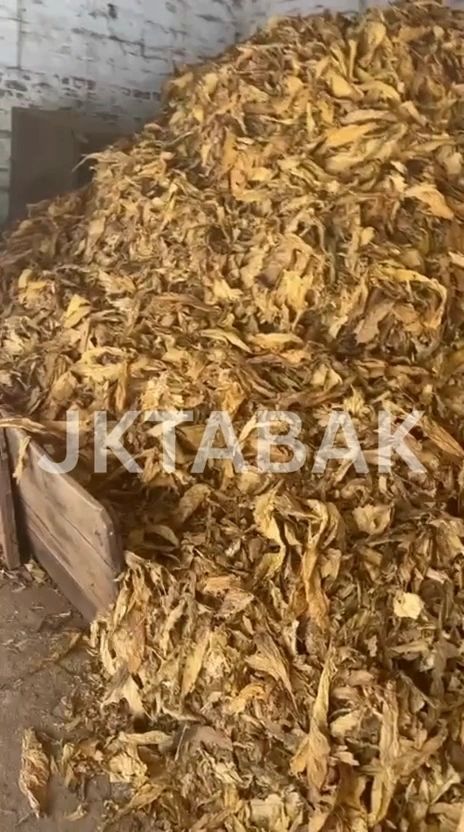
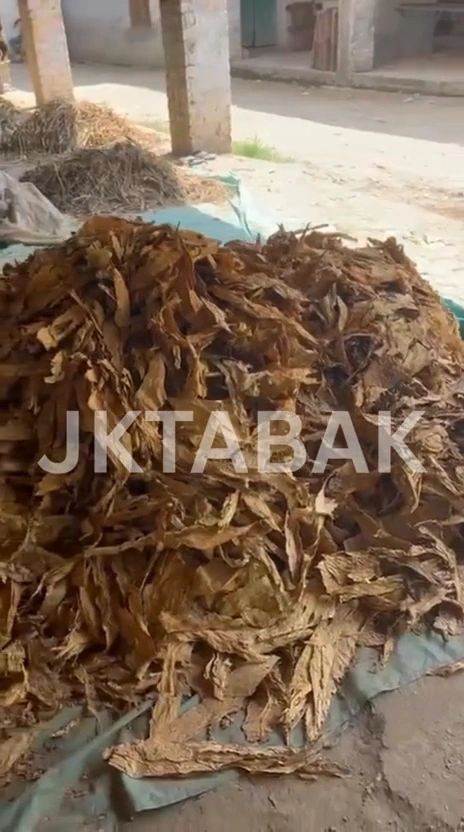
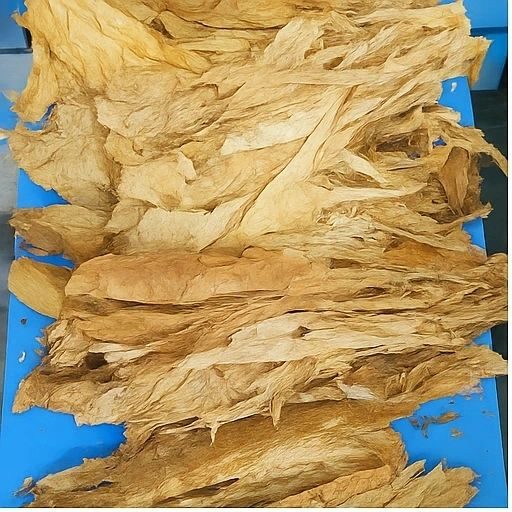
Pictures and clips of leaf we handle. For current photographs or video of a specific lot, ask us. The full sets are on the gallery and videos pages.