FOB stands for Free On Board. It is an Incoterms rule, published by the International Chamber of Commerce, that says who does what and who carries which risk between the seller and the buyer. Reading a price without knowing the term is one of the commonest mistakes in international buying.
What an FOB price covers
What is included in an FOB price
- The leaf itself, to the agreed grade and quantity
- Packing, in the form agreed (for us, jute bags or C48 boxes)
- Transport to the port and export customs clearance in Pakistan
- Loading onto the vessel at Karachi
What is not included
- The sea freight
- Cargo insurance
- Import duties, taxes and customs clearance at the destination
- Delivery from the destination port to your factory
When risk passes
Under FOB, risk passes from the seller to the buyer when the goods are on board the vessel. From that point, loss or damage is the buyer’s, which is why buyers normally arrange insurance. A technical note: Incoterms guidance says FOB is meant for non-containerised sea cargo, and that FCA is often the better fit for containers because risk passes when the container is handed over at the terminal rather than at the ship’s rail. FOB is still widely used for containers in the tobacco trade, and we quote it for that reason. If you prefer FCA or another term, ask.
How to compare quotes properly
- Put every quote on the same term. An FOB price and a CIF price (which includes freight and insurance) are not comparable.
- Add your own freight, insurance, duty and inland costs to get a landed cost per kg.
- Compare usable yield, not just price per kg: stemmed strips cost more per kg than loose leaf and waste less.
- Check what is in the packing and the weights per package.
Why buyers choose FOB
If you already have a forwarder and negotiated freight rates, you keep control of both and can often do better than a seller’s freight quote. If you do not, a CIF or delivered quote may be easier. We can discuss either.
Our other standard terms, one-container minimum, packing, samples and documents, are on the wholesale terms page.
Landed cost, insurance and shipping
A worked landed-cost example
To compare an FOB offer with a delivered one, convert both to a landed cost per kilogram. The numbers below are invented to show the method; they are not our prices or freight rates.
| Item | Example per kg | Notes |
|---|---|---|
| FOB price | $8.50 | Goods loaded at Karachi |
| Sea freight | $0.20 | Depends on route and season |
| Insurance | $0.03 | Often a small percentage of value |
| Import duty and taxes | varies | Set by your country |
| Port and clearance charges | $0.05 | Local fees and broker |
| Inland delivery | $0.04 | Port to plant |
| Landed cost before duty | $8.82 | Sum of the lines above |
Fill in your own figures and compare quotes on the landed number, not the headline price.
Cargo insurance
Under FOB, you insure the goods from the moment they are on board. Marine cargo insurance is usually written on the Institute Cargo Clauses, which come in three levels. Clause A covers all risks, with named exclusions. Clause B and Clause C cover a narrower list of named perils. Under the CIF rule, the seller must provide at least the minimum cover, which is Clause C; many buyers want wider cover and ask for Clause A or arrange their own. Tobacco is sensitive to moisture and taint, so check that your policy covers water damage and contamination rather than only total loss.
Demurrage and detention
Shipping lines allow a limited number of free days for a container to be cleared and returned. After that, charges accrue for each day, called demurrage when the container stays at the port and detention when it stays outside it. Delays at customs, missing documents or a lack of storage space can make these costs add up. When you plan an order, have your clearing agent, documents and transport ready before the vessel arrives.
Choosing a freight forwarder
- Choose one that handles tobacco or similar commodities and knows your import process.
- Ask for all-in quotes that list every charge, including origin and destination fees.
- Check how they handle delays and what information they send you.
- Agree who communicates with us, so that booking details and documents flow quickly.
Container types and condition
Leaf is normally shipped in standard dry containers. The container should be clean, dry, odour-free and free of holes. Check for odour, damage and moisture before loading, and ask for photographs of the empty container and the loaded one. A sealed container with a recorded seal number protects both of us if there is a later dispute.
When another term is better
FOB suits a buyer with its own forwarder. If you buy only occasionally, a CIF or CFR quote may be easier, because the seller books the ship. If you want control from a named place inland, FCA may fit. Whatever you choose, make sure the term and the named place are written in the contract.
Currency, negotiation and loading terms
Currency and the price you agree
An international price is quoted in a currency, usually the US dollar, and the buyer pays in that currency or converts from their own. If the exchange rate moves between the order and the payment, the real cost to the buyer changes. Some buyers fix the rate through their bank, using a forward contract. Others accept the risk. Either way, agree the currency in the contract, and be aware that a price valid today may not be valid next month.
Price validity and quantity tolerance
Two terms in a quotation are easy to overlook. The first is validity: how long the price holds. Leaf lots can sell, and prices can move, so a price is usually valid for a defined period. The second is quantity tolerance: leaf is packed in fixed packages, so the shipped weight may be slightly above or below the order. Agree an acceptable band, such as a small percentage either way, and say how any difference is priced.
Where to negotiate and where not to
Buyers often negotiate price. It is more productive to negotiate on specification, packing, payment terms and shipment timing as well, since these affect your total cost. Be wary of discounts that come with looser specifications: a price that is a little lower but with wider tolerances on moisture or fines may cost more in your plant than it saves. Our wholesale terms describe what we fix and what is open to discussion.
Condensation inside the container
A well-known problem with moisture-sensitive cargo is condensation inside the container, sometimes called container rain. When a container loaded in a warm, humid place travels through cooler regions, moisture in the air condenses on the roof and walls and can drip onto the cargo, or the cargo itself can take up the moisture. For tobacco, which is hygroscopic, it can cause mould and loss of value. Practical measures include loading dry leaf at the agreed moisture, using dry, clean containers, adding desiccant where appropriate, using packaging with a moisture barrier and, in some cases, choosing a ventilated container. Ask your forwarder about the route, the season and the risk, and tell us if you want special packing.
Questions to put to a forwarder
- What are the total charges at origin and destination, listed line by line?
- What is the transit time, and is there a transhipment?
- How many free days do I get for the container at destination?
- What do you do about condensation risk on this route?
- What release type will the bill of lading use?
- What insurance do you offer, and at what level of cover?
Choosing the loading terms for a first order
For a first order, the simplest choice is often the one that leaves the fewest unknowns. If you have used a forwarder before, FOB is straightforward. If you have not, ask a forwarder for a quote to your port, and compare it with a CFR or CIF quote from us. The cheaper of the two on a landed basis is usually the better one, but consider also the support you will get if something goes wrong: a forwarder you hired answers to you, and one booked by the seller answers, at first, to the seller.
Tobacco is harmful to health. JKTabak supplies tobacco leaf to licensed commercial buyers only (manufacturers, processors, importers and distributors). The buyer is responsible for confirming that import, purchase and resale of tobacco is lawful in the destination country.
Photos and video from our lots
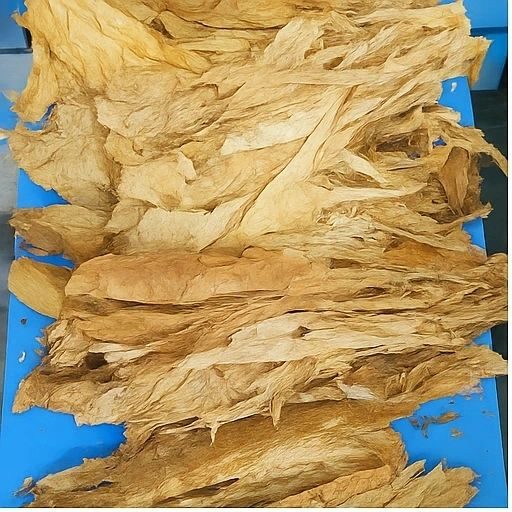
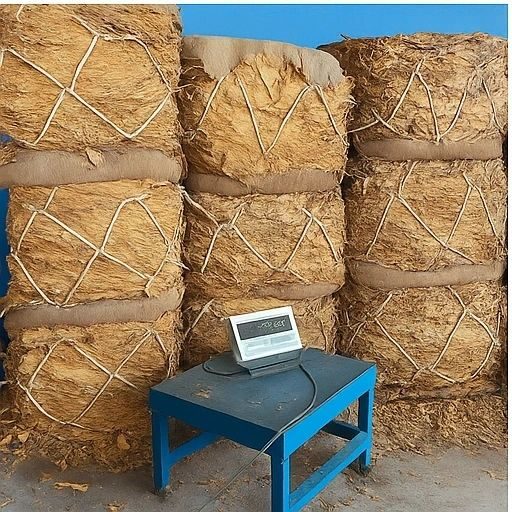
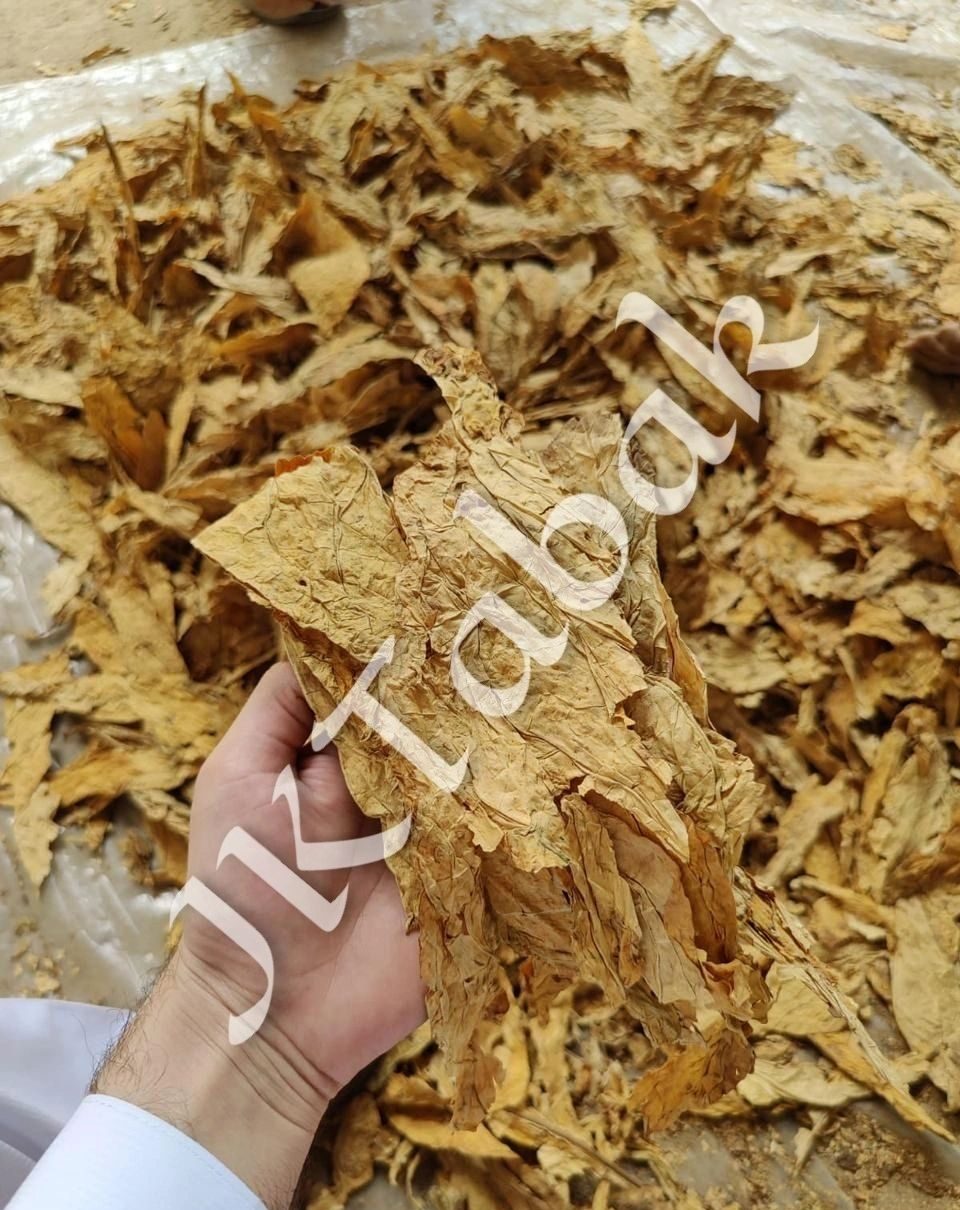
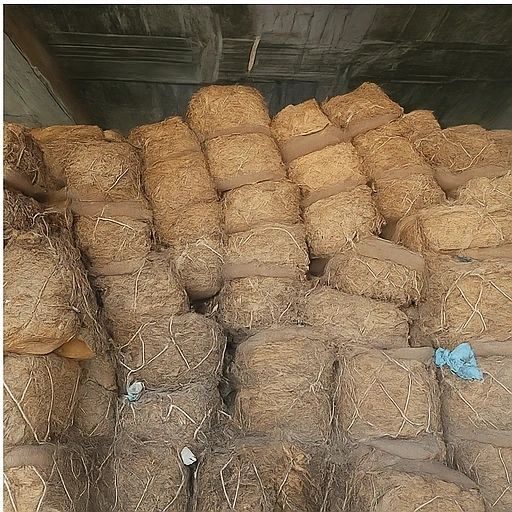
Pictures and clips of leaf we handle. For current photographs or video of a specific lot, ask us. The full sets are on the gallery and videos pages.