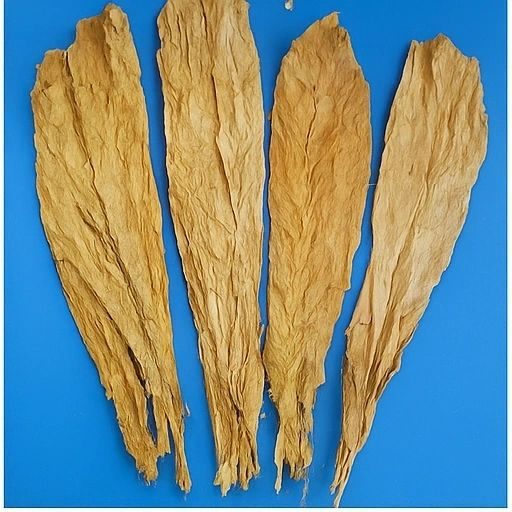
If you have asked three suppliers for flue-cured Virginia (FCV) you have probably received three different tables. They all list nicotine and sugar, some add moisture, few explain what to do with them. This is how we read ours, using the grades on our loose leaf and strips pages as the example.
The numbers on an FCV specification
Nicotine
Nicotine is mostly decided by where the leaf grew on the plant and how the plant was fed. Leaf from the bottom of the stalk carries less than leaf from the top. In our FCV loose and strip lots it sits at 2.5%, with a few at 2.6%. Our dark air-cured and DV lots are at 1.1% to 1.3%. Nicotine is a characteristic of the leaf, not a health statement: a lower figure does not make a finished product safer.
Sugar
Sugar is where our grades differ most. Loose MMO is listed at 13–15%, MML at 9–11%, TND at 8%, NDB at 7%. That spread is the real reason one lot suits a sweet molasses base and another suits a dry cigarette base. High sugar gives a sweeter aroma and a smoother burn; low sugar gives a drier, harsher, faster-burning leaf.
The sugar-to-nicotine ratio
Blenders often look at the two together rather than separately. Take loose MMO: roughly 14% sugar against 2.5% nicotine gives a ratio near 5.6. Loose NDB, at 7% against 2.5%, gives about 2.8. Same nicotine, very different smoke. The ratio is a quick way to compare lots from different suppliers, and a good question to ask when a quote only shows one of the two numbers.
| Loose grade | Nicotine | Sugar | Approx. sugar : nicotine |
|---|---|---|---|
| MMO | 2.5% | 13–15% | 5.2 to 6 |
| MML | 2.5% | 9–11% | 3.6 to 4.4 |
| TND | 2.5% | 8% | 3.2 |
| NDB | 2.5% | 7% | 2.8 |
Moisture and equilibrium value
Moisture decides how well the leaf stores and how it behaves in your cutting line. Too dry and it breaks into fines; too wet and it moulds or ferments in the bag. Our lot sheets also carry an equilibrium value (E.V.) as a moisture-balance indicator. The number on a website is a reference point: the figure that counts is the one for the lot in your container, so ask for it.
Colour and stalk position
Lemon, orange and darker leaf say something about maturity and where on the plant the leaf came from, but colour alone does not tell you sugar or nicotine. We covered that on the FCV page. Pair colour with the numbers above rather than relying on it.
Reading and comparing offers
What to ask a seller for
- The lot sheet or test result for the lot you are being offered, with the lot number on it.
- The crop year, which should match the table.
- The method used for nicotine and sugar. Laboratories commonly follow CORESTA recommended methods; if the answer is vague, treat the number with caution.
- A sample from that lot, not a showpiece sample from the best bag.
Our grade values are indicative and are confirmed per lot in a quotation. If you want to test a grade, send us your specification.
Ask what basis the numbers are on
This is the question that catches most buyers out. Nicotine and sugar are reported as a percentage of the leaf, but of which weight? Laboratories commonly express results on a dry-weight basis, which removes the water from the calculation. Others report them as received, including the moisture. The same leaf can show two different numbers depending on the basis. A leaf at 2.5% nicotine on a dry basis and about 12% moisture would show roughly 2.2% as received. If you are comparing two suppliers, make sure their figures are on the same basis. Ask which one they use, and write it into the specification.
Testing is not perfectly precise
Even a good laboratory has a margin of error, and sampling adds more. Two labs testing the same leaf might differ in the second decimal place for nicotine and by a point or so for sugar. That is why a specification should be a range, not a single figure, and why a contract should say which laboratory and which method decides in a dispute. A target of 2.5% with a tolerance of 0.2 either side is a more honest brief than “exactly 2.5%”.
Comparing two offers: a worked example
Suppose two suppliers offer FCV strips. This is an invented illustration to show how to compare, not our data.
| Offer A | Offer B | |
|---|---|---|
| Nicotine | 2.5% (basis not stated) | 2.5% (dry basis) |
| Sugar | 10% | 10% (dry basis) |
| Moisture | Not stated | 12% |
| Crop year | Not stated | 2026 |
| Test result | Generic sheet | Lot-specific, with lot number |
| Price per kg | Slightly lower | Slightly higher |
On price alone, Offer A looks better. On information, Offer B is better by a long way: you know the basis, the moisture, the crop and that the test belongs to the lot. An offer with missing information is not necessarily worse, but you carry more risk. Ask the missing questions before you decide.
Reading nicotine and sugar together with moisture
Moisture changes the weight of a container as well as the percentages. A lot at 14% moisture carries more water and less leaf than one at 11%, so you pay for water at the price of tobacco. Over a 20-ton container, three points of extra moisture is a significant amount of water. It also affects storage life. When you compare prices, compare the moisture too, and ask for it in writing.
Variation, tolerances and disputes
How the numbers move over time
Leaf continues to change after curing. It takes up and loses moisture with the weather, and its sugar and aroma shift as it ages. A figure measured at the time of grading may differ slightly from one measured months later at your plant. For that reason, a contract should say when and where the test is done, usually at loading, with a retained sample held for comparison.
A short list of questions for any FCV supplier
- Are nicotine and sugar on a dry or an as-received basis?
- What is the moisture at shipment, and what tolerance?
- Which laboratory and method will test the lot?
- Does the test certificate name the lot and the crop year?
- What are the limits for green leaf, stems, fines and foreign matter?
- May I retain a sample of the lot at loading?
Our own tables are indicative and, as the editorial policy explains, are confirmed per lot in a quotation. If you want to talk through a comparison you are making, send it to us.
Why a single lot is not uniform
Even within one lot, leaf varies. Different bales hold leaf from different parts of the crop, different positions on the stalk and different barns. A lot of 20 tons might contain hundreds of packages, and no two are identical. A lab result on one sample is an estimate of the lot average, not a measurement of every bag. That is why sampling matters, and why a specification needs a tolerance. When a supplier says “nicotine 2.5%” for a lot, it means the average is about that, with some bags above and some below.
Building a tolerance table
For each parameter you care about, decide a target and an acceptable band. The band should reflect what your process can handle, not what looks tidy on paper.
| Parameter | Target | Acceptable band | Why that band |
|---|---|---|---|
| Nicotine | Your recipe figure | Plus or minus the amount your blend can absorb | Wider bands lower the price but raise blend variation |
| Sugar | Your recipe figure | As above | Sugar drives sweetness and burn |
| Moisture | Your processing figure | A narrow band | Affects cutting and storage |
| Green leaf | As low as possible | A maximum percentage | Harsh taste |
| Fines | As low as possible | A maximum percentage | Yield and dust |
When the lab and the supplier disagree
It happens. Possible causes include different methods, different sample portions, different moisture bases, or a sample that was not representative. The contract should say in advance how a disagreement is settled: usually a third, agreed laboratory tests a retained sample, and its result is final. Agreeing that before an order makes it far less likely that an argument will turn into a dispute.
What our own figures mean
The values on our grade tables are indicative lot figures. We confirm the final values for the lot in a quotation, and we are open to the buyer testing the sample independently. We would rather a buyer found a difference at the sample stage than at the factory.
What changes from one crop to the next
A grade code stays the same from year to year, but the leaf behind it does not. Weather, soil and curing conditions shift the numbers. A wet season can mean lower sugar and more mould risk; a hot, dry one can change nicotine and leaf size. If you re-order a grade next year, do not assume the figures will be identical. Ask for the new lot sheet, compare it with the old, and adjust your blend if you need to. This is another reason to write targets as ranges and to keep retained samples from each approved crop.
Tobacco is harmful to health. JKTabak supplies tobacco leaf to licensed commercial buyers only (manufacturers, processors, importers and distributors). The buyer is responsible for confirming that import, purchase and resale of tobacco is lawful in the destination country.
Photos and video from our lots
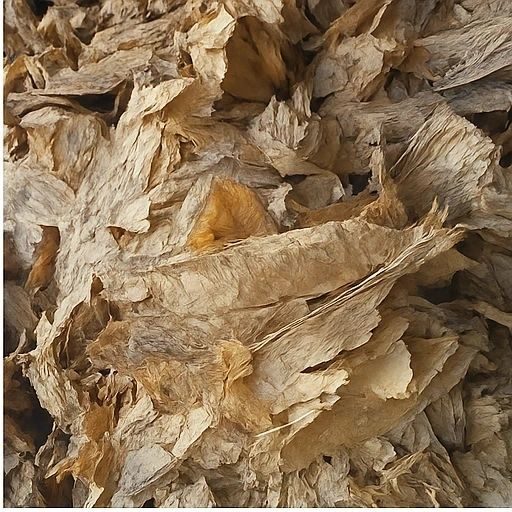
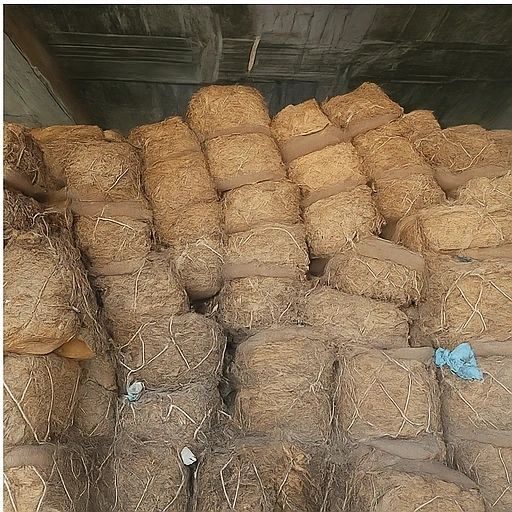
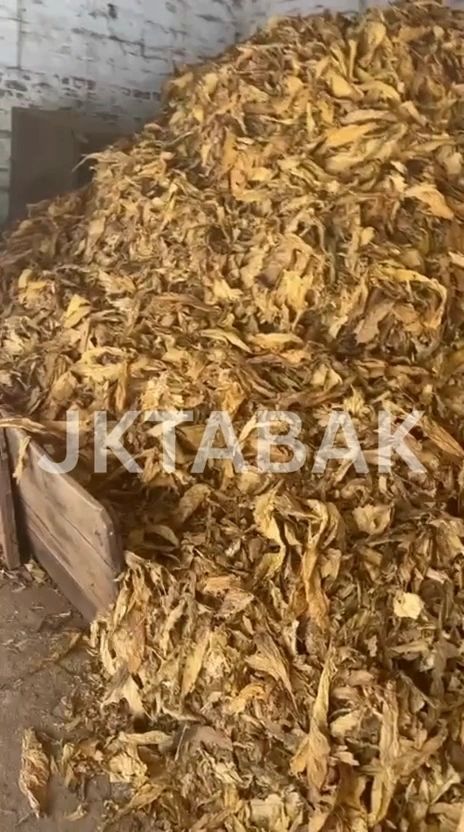
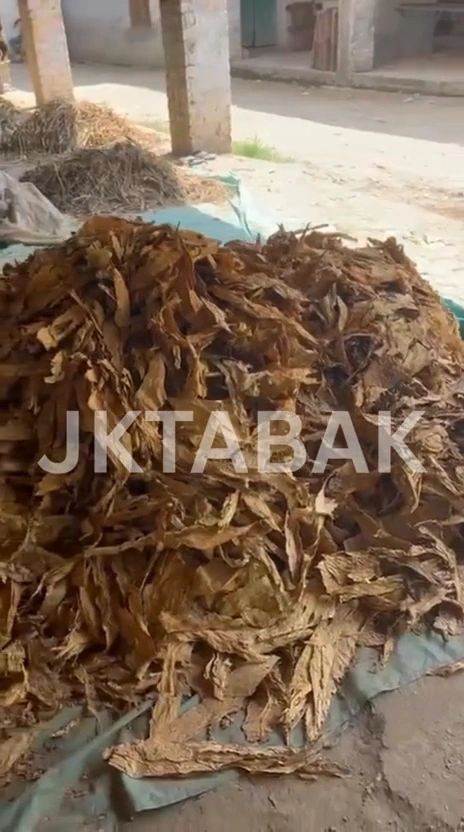
Pictures and clips of leaf we handle. For current photographs or video of a specific lot, ask us. The full sets are on the gallery and videos pages.