This is a general list for businesses planning to import unmanufactured tobacco. Rules differ between countries and change often, so it does not replace advice from a customs broker or a lawyer who knows your market.
Seven checks before you import
1. Are you licensed to buy this?
Many countries require a tobacco manufacturer, importer or distributor licence, or a permit for leaf imports. Confirm which applies to your business before you ask for a price, and be ready to show it to your supplier. A responsible seller will ask.
2. Know your classification
Raw leaf is heading 2401 in the Harmonized System. Subheadings separate unstemmed leaf, stemmed or stripped leaf and tobacco refuse, and duty or licensing can depend on which one applies. Confirm the code with your broker; our usual codes are on the compliance notice.
3. Understand excise and duties
Excise treatment of unmanufactured tobacco differs. In some countries leaf is moved under duty suspension to a registered premises; in others duty is paid on entry. Ask your authority which regime applies to your premises.
4. Do due diligence on both sides
The WHO Protocol to Eliminate Illicit Trade in Tobacco Products asks governments to require licensing and due diligence in the supply chain. In practice that means a seller should know who the end buyer is, and a buyer should know who the seller is, where the leaf originates and how it will be used. Expect questions about company registration, ownership and destination, and give straight answers.
5. Keep records
Contracts, invoices, certificates, bills of lading and test results should be kept for the period your authority requires. Many buyers keep them for longer. They are what you will need if a shipment is queried.
6. Mind the end product
Leaf you import becomes a finished product that is regulated separately: ingredients, emissions, labelling and health warnings in many markets. In the European Union, that is Directive 2014/40/EU, which applies to the manufacturer of the finished product rather than the leaf seller. Make sure the leaf you buy fits what you are allowed to make.
7. Beware of deals that skip steps
Unusually cheap leaf, requests to ship to an address that is not the buyer, payment through a third party or reluctance to supply company details are all warning signs. Walk away from them.
Our side, the timeline and knowing your supplier
What we do on our side
We ask new buyers who they are and what the leaf is for, and we may decline an order if we cannot establish that. The details are on the compliance notice.
A timeline for a new importer
If your business has not imported tobacco before, plan for the steps that take the longest, which are usually the licences, not the shipping.
- Find out the rules. Ask your customs authority or a broker which licence, registration and excise arrangements apply.
- Apply for licences. This can take weeks or months.
- Set up a compliance routine. Decide who is responsible for checks and records.
- Choose a supplier and do your due diligence on them.
- Order a sample and test it.
- Place the first order, with documents agreed in advance.
- Clear and receive, checking quantity and condition on arrival.
- Keep records from the first shipment.
Know your supplier
Due diligence runs both ways. A buyer should verify who it is buying from, as we discuss in our guide to buying from an origin. Banks also run their own checks, and a bank that finds a risk can delay or refuse a payment. Be ready to explain your business, your customers and the intended use of the leaf.
Risk, red flags and records
Sanctions and anti-money-laundering
Trade in any commodity is subject to sanctions and anti-money-laundering rules, and tobacco is no exception. Both buyers and sellers should check that the parties, the ports and the banks involved are not subject to restrictions. The rules change, so check with your bank or adviser at the time of each order, not just at the start of a relationship.
Red flags to take seriously
- An offer far below the market price with no reason.
- A supplier that wants payment to a third party or to an account in another country.
- Pressure to skip the sample or the documents.
- A different company name on the contract, the invoice and the bank account.
- A buyer or seller that will not provide registration details.
If you see any of these, stop and ask questions. If the answers are not clear, walk away.
Records to keep
- Contracts and amendments
- Invoices, packing lists and bills of lading
- Certificates of origin, phytosanitary and other certificates
- Test results and retained-sample records
- Customs declarations and proof of duty payment
- Correspondence about specifications and approvals
Keep them for at least as long as your authority requires, and consider keeping them longer. They are your evidence if a shipment is queried.
An internal compliance checklist
| Question | Yes / No |
|---|---|
| Do we hold the licence or permit that applies to this import? | |
| Have we confirmed the HS code and the duty and excise treatment? | |
| Have we verified the supplier’s identity and registration? | |
| Does the payer match the contract party? | |
| Do we know where the leaf will go and what it will be used for? | |
| Have we agreed the documents with our broker? | |
| Do we have a plan to keep records? |
This is a general list. Your lawyer or customs broker will add the items that apply in your country. Our own approach is on the compliance notice.
Banks, audits and illicit trade
Working with your bank
Banks are cautious about tobacco, and some decline to handle it at all. If you plan to pay by letter of credit or by transfer, talk to your bank before you place the order. Expect them to ask for details of your business, your supplier, the goods and the destination, and sometimes for copies of licences. Giving them complete information early avoids delays at the point of payment, which is the worst time to find a problem.
Be audit-ready
Customs authorities and tobacco regulators can ask for records after a shipment has cleared. A tidy file for each shipment, with the contract, documents, test results, payment records and correspondence, lets you respond quickly. Name one person responsible for compliance and keep a written procedure, however short. When an authority asks a question, the speed and clarity of your answer matters.
When to ask a professional
Ask a licensed customs broker about classification, duties and procedures. Ask a lawyer about contract terms, licences and liability. Ask your accountant about tax and duty accounting. We are a supplier, not your adviser, and we say so. We will answer questions about our own documents and goods, and we will work with your advisers.
Illicit trade, in plain terms
Illicit trade means the smuggling, counterfeiting or unauthorised sale of tobacco products, and it costs governments revenue and undermines health regulation. International efforts to control it focus on licensing, due diligence, record-keeping and, for finished products, tracking and tracing. A leaf importer is not usually the main target of those rules, but is part of the chain, and a buyer who keeps clean records, deals with identifiable counterparties and declares goods accurately is both complying and protecting itself from association with illicit networks.
Sample compliance file for one shipment
| Document | Held by | Kept for |
|---|---|---|
| Signed contract and amendments | Compliance and finance | As long as your authority requires, and consider longer |
| Supplier identity checks | Compliance | Same |
| Commercial invoice, packing list, bill of lading | Finance and logistics | Same |
| Certificates (origin, phytosanitary, fumigation, analysis) | Quality and compliance | Same |
| Customs declaration and duty receipts | Finance | Same |
| Test results and retained-sample log | Quality | Same |
| Payment records | Finance | Same |
A file like this takes minutes to build as the shipment progresses, and hours to reconstruct afterwards.
Tobacco is harmful to health. JKTabak supplies tobacco leaf to licensed commercial buyers only (manufacturers, processors, importers and distributors). The buyer is responsible for confirming that import, purchase and resale of tobacco is lawful in the destination country.
Photos and video from our lots
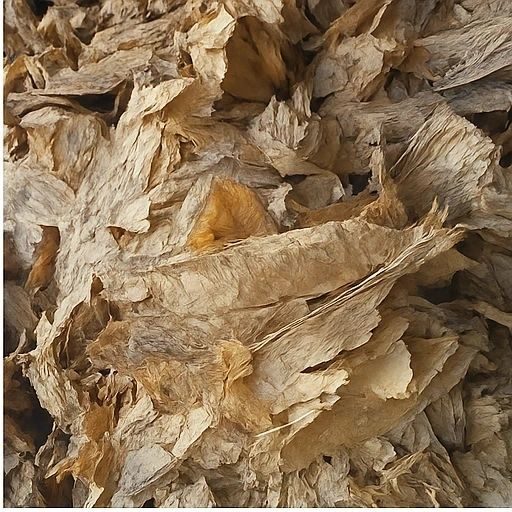
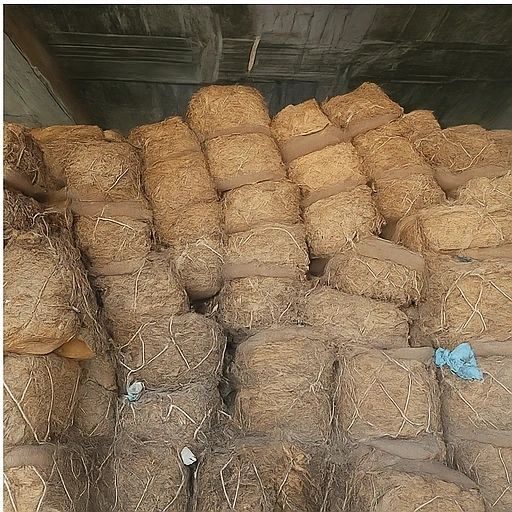
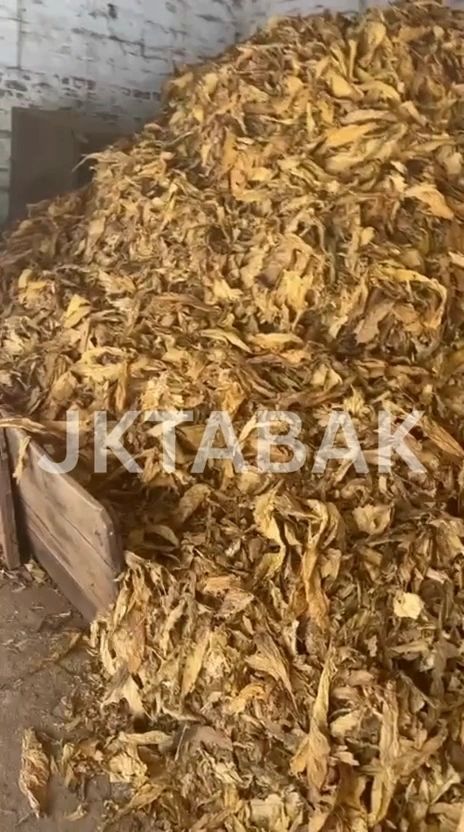
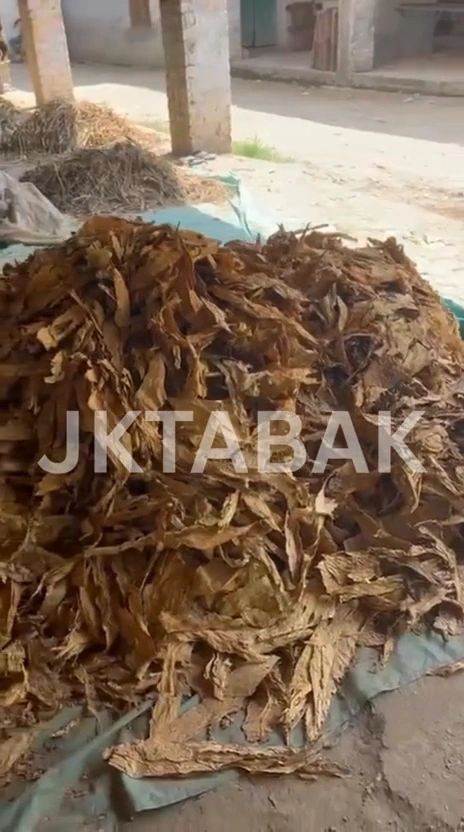
Pictures and clips of leaf we handle. For current photographs or video of a specific lot, ask us. The full sets are on the gallery and videos pages.