We run a depot in Swabi, in Khyber Pakhtunkhwa, one of Pakistan’s established tobacco-growing areas, and ship from Karachi. We are an exporter, so we are not neutral about Pakistani leaf. What follows is a buyer’s checklist, meant to work whether you buy from us or from someone else.
Origin and where we fit
What is grown
Pakistan produces flue-cured Virginia, dark air-cured leaf and rustica, among others. Our own range is built on FCV and dark air-cured, with rustica as strips. We source burley, oriental and cigar wrapper and binder from other origins when a buyer asks, because we would rather say that plainly than pretend everything comes from one field.
What origin does and does not tell you
Origin tells you something about climate, typical varieties and logistics. It tells you nothing about a particular lot. Two lots from the same district can differ in stalk position, maturity, curing and storage. A buyer who treats origin as a quality guarantee is likely to be disappointed, in Pakistan or anywhere else.
What a Pakistani origin does offer
- A range of types from one country, so you can buy FCV and dark air-cured on one contract.
- A loading port, Karachi, that handles container shipping and is the basis of our FOB prices.
- Price levels that are different from other origins. We are not going to claim they are always lower; compare landed cost, not ex-works price.
Questions to ask any supplier, from any country
- Which crop year is this lot? Old stock can be fine, but you should know.
- Can you send the test result for this lot? And which method was used?
- What are the stem, fines and moisture limits, in writing?
- Can you send a sample from the actual lot?
- If you need it for your market, can you supply a residue test? Agrochemical residue limits matter to some importers. CORESTA publishes guidance levels that laboratories and buyers refer to.
- What documents come with the shipment? See our export documents checklist.
Where we fit
Our grade values, quantities and indicative prices are public: loose leaf, strips, scraps. If something here does not match what you are told in a quotation, tell us.
Supply chain, supplier checks and logistics
From grower to export: the supply chain
A buyer should understand who handles the leaf between the field and the ship. In outline, growers cure the leaf on their own farms or in shared barns. The cured leaf is sold to dealers, processors or exporters, who sort it into grades. It is then stemmed if required, re-dried, packed and stored until export. Each step adds cost and risk, and each is a place where a buyer can ask a question. Is the supplier the one who grades and packs the leaf, or a trader who buys from someone else? Neither is wrong, but the answer changes what you can verify and who is responsible when something goes wrong.
How to check a supplier before you pay
Tobacco is a high-value commodity, and fraud does happen in commodity trade. A sensible buyer takes a few steps before sending money, whichever country the leaf comes from:
- Verify the company. Check the registered name, the registration number and the address against an official registry or a third-party report.
- Ask for references. Speak to other buyers if you can.
- Match the details. The name on the contract, the invoice and the bank account should match. A request to pay a different company or a personal account is a warning sign.
- Start with a sample. A sample from the lot you are buying says more about a supplier than a brochure.
- Consider an independent inspection at loading, for quality and weight, paid by whichever party you agree.
- Use a payment method that fits the risk. For a first large order, a documentary structure such as a letter of credit protects both sides better than payment in full in advance.
We are happy for buyers to do all of these with us, and our own checks on buyers are described on the compliance notice.
Logistics from Karachi
Karachi is Pakistan’s main container port. Leaf is trucked to the port, cleared for export and loaded into containers. From there it goes by sea, usually with a transfer at a hub port, to the destination. Transit takes several weeks to most of Europe, the Middle East and Asia, and longer to some destinations. Schedules are set by the shipping lines, and weather, port congestion and seasonal demand can change them. If your production depends on arrival by a particular date, tell us early and build in a margin.
Risks to plan for
- Weather and crop risk. A poor season affects the quantity and quality of good leaf. Buyers who can plan ahead usually have the best choice.
- Currency. The price is quoted in a currency you must agree. Movements in exchange rates affect both sides.
- Shipping disruption. Delays and freight spikes happen. They matter more under CIF and similar terms than under FOB, where freight is yours to arrange.
- Documentation errors. The most common cause of delay at the destination. See our documents checklist.
- Regulatory change. Import rules change. Check yours before each order.
Comparing origins and planning ahead
Origins compared, fairly
Every origin has strengths and weaknesses, and a buyer often uses several. Some countries specialise in a single type, such as burley or oriental, and offer very consistent leaf in that type. Others offer a range. Pakistan offers a range of types from one country, and a port that serves container trade. We do not suggest it is the best at everything. If you want a fair comparison, ask each supplier the same list of questions and compare the answers on the same basis.
Sustainability and labour: the questions to ask
Tobacco farming raises real environmental and social questions in every producing country, and Pakistan is no exception. Buyers who care, or who are required by their own customers or regulators to care, should ask about the following:
- Labour. Is there a policy against child labour and forced labour, and is there evidence?
- Safety. What protection do workers have from pesticides and from nicotine absorption through the skin when handling green leaf?
- Fuel for curing. Flue-curing needs heat. Is the fuel coal, wood or something else, and is wood from managed sources? Wood used for curing has been linked to deforestation in some regions.
- Agrochemicals. Which are used, and how are residues monitored?
- Fair pricing. Do growers receive a fair price for the leaf?
A supplier who answers with documents and specifics is worth more than one who answers with adjectives. We would encourage buyers to ask every supplier the same questions, and we answer what we can document.
Planning around the season
Whatever the origin, tobacco is a seasonal crop. The cured leaf reaches the market after harvest, and the best choice is usually available soon afterwards. A buyer who needs consistency through the year has to plan: buy and store, or contract in instalments. Late buying tends to mean less choice and more price pressure. Ask a supplier when the crop is graded and when lots are available, and plan your purchases accordingly.
Forged and altered documents
Tobacco is a valuable commodity, and forged documents are a known risk in commodity trade. If a certificate looks unusual, contact the issuing body directly using contact details you found yourself, not those printed on the document. For payments, confirm bank details by a separate channel, such as a phone call to a number you already trust, before you send money. Be cautious about any change to bank details at the last minute.
If you visit a depot: what to look for
A visit to a supplier’s depot tells you more than a brochure. If you are able to go, or if you send an agent, these are the things to check:
- Storage conditions. Is the store dry, clean and ventilated? Is leaf off the floor and away from walls?
- Pest control. Are there signs of beetles, moth or rodents? Is there a programme?
- Labelling and traceability. Does every package carry a lot number? Do the records match?
- Sampling practice. How are samples drawn, labelled and kept?
- Hygiene and foreign matter. Are floors and tables clean? How is packing material controlled?
- Records. Can they show you the documents for a past shipment?
- People. Are workers equipped and trained, and do conditions look safe?
If you cannot visit, ask for a video walk-through and for photographs that you request, not only those the supplier chooses to send.
Tobacco is harmful to health. JKTabak supplies tobacco leaf to licensed commercial buyers only (manufacturers, processors, importers and distributors). The buyer is responsible for confirming that import, purchase and resale of tobacco is lawful in the destination country.
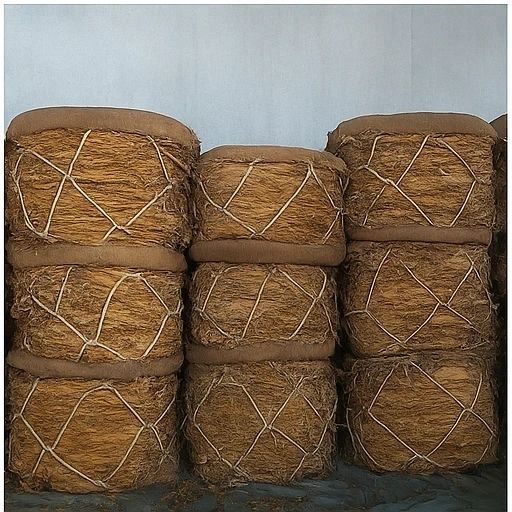
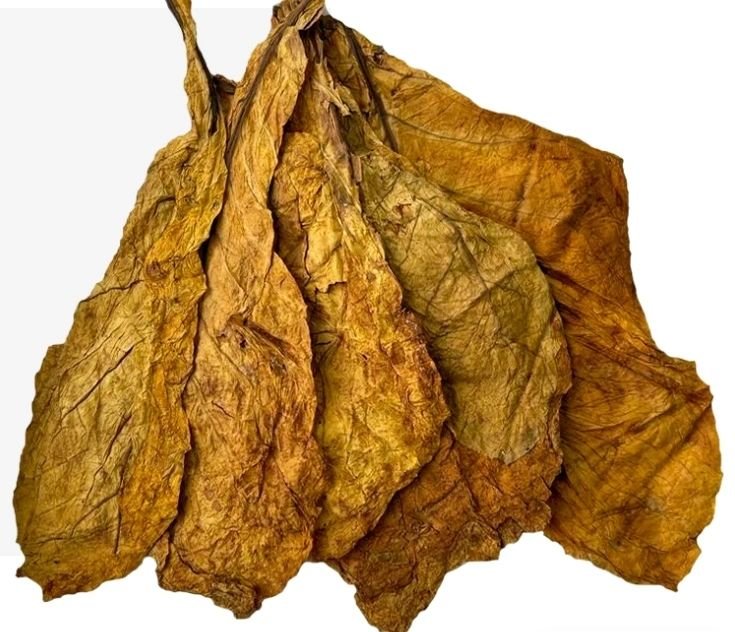
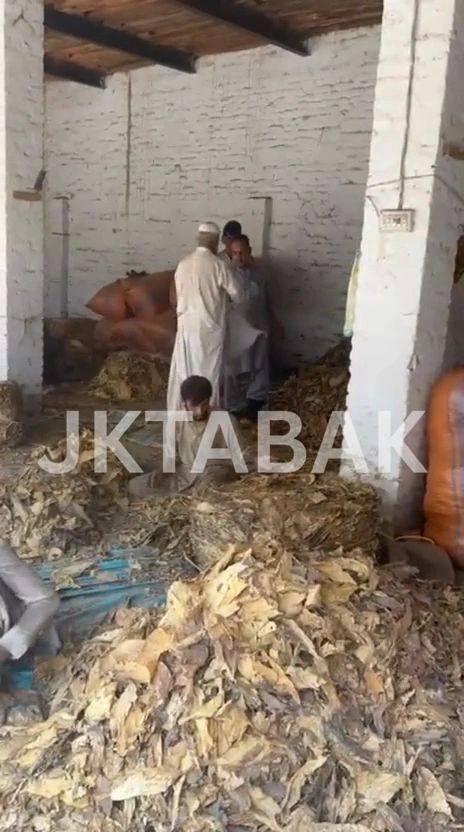
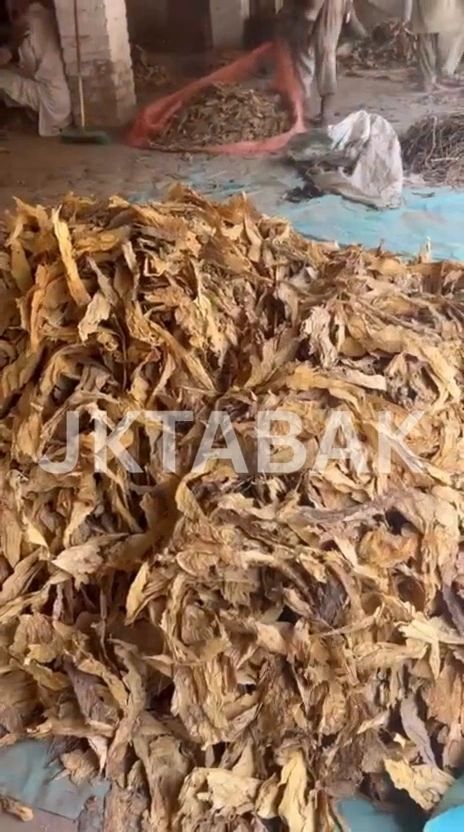
Photos and video from our lots
Pictures and clips of leaf we handle. For current photographs or video of a specific lot, ask us. The full sets are on the gallery and videos pages.