This is a general guide, not legal advice. Requirements depend on the destination country, and the importer’s customs broker is the final authority on what they need. Send them a list early.
Core documents and avoiding mismatches
The core documents
| Document | What it is for | Usually from |
|---|---|---|
| Commercial invoice | States the goods, quantity, price and terms. Customs value is based on it | Exporter |
| Packing list | Lists packages, weights and marks so customs can match the box to the paper | Exporter |
| Bill of lading | The carrier’s receipt and contract of carriage, and for many shipments the document of title | Shipping line, via forwarder |
| Certificate of origin | Shows where the goods come from. Needed for duty rates in many countries | Chamber of commerce or authority in the exporting country |
| Phytosanitary certificate | Confirms plant products were inspected for pests, where the importing country requires it | Plant protection authority in the exporting country |
| Fumigation certificate | Shows treatment, where required by the destination or by the carrier | Fumigation contractor |
| Weight certificate | Independent weight confirmation, where agreed | Inspection company |
| Certificate of analysis | Laboratory results for the lot, where agreed | Laboratory |
Customs codes
Raw leaf is classified under heading 2401 of the Harmonized System: 2401.10 for tobacco not stemmed or stripped, 2401.20 for wholly or partly stemmed or stripped, and 2401.30 for tobacco refuse. Check the subheading and any national extension with your broker, because duty and licence rules can hang on it.
Who handles what
- Exporter side: invoice, packing list, certificate of origin, phytosanitary and fumigation certificates, certificate of analysis, export clearance. These are what we supply, as agreed in the contract.
- Importer side: import licence or permit, excise registration, duties and taxes, product registration, local labelling and record-keeping.
Three habits that save time
- Send the importer’s document checklist before the quotation, not after loading.
- Check that names, addresses and quantities match exactly across every document.
- Agree who pays for inspection, fumigation and certificates in the contract.
Compliance duties for the buyer are covered in the importer checklist and on our compliance notice.
How to avoid mismatches between documents
Customs authorities and banks compare documents against each other. A small difference between two of them can lead to delay, extra fees or refusal of payment under a letter of credit. The following should match exactly across every document unless a rule says otherwise:
- The names and addresses of the exporter, the buyer and the consignee
- The description of the goods
- The quantity and the weights, gross and net
- The container and seal numbers
- The invoice number and date as quoted in other documents
- The port of loading and port of discharge
A good practice is to circulate drafts of every document to all parties and have the importer’s broker approve them before the originals are issued.
Bills of lading, certificates and the timeline
Bill of lading types
The bill of lading is the carrier’s receipt for the goods, the contract of carriage and, for most shipments, the document that entitles its holder to take delivery. There are several forms. An original bill must usually be presented at the destination to release the goods. A telex or electronic release lets the carrier release the goods without paper originals, which is faster. A sea waybill is a non-negotiable receipt, simpler but with no document of title. Which one you use depends on your payment terms and on how much you trust the other party, so agree it in the contract.
A document timeline
- Before the quotation: the importer sends its checklist of required documents.
- Before loading: the exporter prepares the invoice and packing list and arranges the certificates that are required, such as fumigation and weight.
- At loading: the container is sealed and the bill of lading is issued.
- After loading: the exporter obtains the certificate of origin and the phytosanitary certificate if they were not already ready, and sends copies to the buyer.
- During transit: originals or electronic equivalents are sent to the buyer or the bank.
- At arrival: the importer’s broker presents the documents for clearance.
Dates for each step are agreed in the contract, and a delay at any stage can hold the whole shipment.
Certificates in more detail
- Certificate of origin. It states where the goods come from, and in many cases it is issued or endorsed by a chamber of commerce. It may be needed for a preferential duty rate.
- Phytosanitary certificate. Issued by the plant protection authority of the exporting country, it confirms that plant products were inspected and found free from regulated pests. Whether it is needed depends on the importing country.
- Fumigation certificate. Issued by the operator who treated the goods, with the chemical used, the dose and the date.
- Certificate of analysis. Issued by a laboratory, with the lot, the method and the results.
What to do if a document is wrong
Do not alter a document yourself. Ask the issuing party for a corrected version. If the goods have already sailed, tell the importer’s broker at once so they can plan, and ask your bank what its procedure is if a letter of credit is involved. Most errors are fixable, but the cost and time rise with every day. Our wholesale terms describe what we supply.
A hypothetical mismatch and what it costs
Suppose an invoice describes the goods as “tobacco leaf, Virginia type” and the packing list says “FCV tobacco strips”. A customs officer, or a bank checking a letter of credit, may treat those as two different descriptions and query them. The importer’s broker asks for an amended document. The exporter reissues it. Meanwhile the container sits at the port, accruing demurrage. A simple wording mismatch can cost several days and real money. The remedy is not complicated: agree the exact description of the goods in the contract and use it on every document.
Electronic documents, fees and checklists
Electronic documents
More documents are moving to electronic form, including bills of lading, certificates of origin and some phytosanitary certificates. Electronic documents are faster and harder to lose, but they depend on the importing authority and the bank accepting them. Confirm what your customs authority and your bank accept before you plan around electronic paperwork.
Fees and timing
Document fees are modest compared with the value of a container, but timing is critical. Certificates issued by authorities have their own processing times, and a certificate that arrives a day too late can hold a shipment. Plan the documents at the start of the order, not at loading, and ask us for the expected dates of each.
A pre-shipment checklist by role
| Who | What to confirm before the container sails |
|---|---|
| Exporter | Invoice and packing list drafted and approved; certificates arranged; container booked and inspected; seals recorded |
| Importer | Licence valid; broker informed; document list sent; payment arranged |
| Broker | Classification confirmed; duties estimated; documents pre-checked |
| Bank | Letter of credit terms matched to documents, if used |
| Forwarder | Booking, route and sailing date confirmed; release type agreed |
Who pays for what
Costs for documents and inspection should be agreed in advance. As a general pattern under FOB, the exporter pays for export clearance, the certificates the contract names and loading, while the buyer pays for freight, insurance, import clearance and any additional inspection or certificate it asks for. In practice, the exact split is set in the contract, so write it down. Disputes over small fees are common and entirely avoidable.
What if the importer needs something extra?
Import authorities sometimes ask for documents that neither side expected: an extra certificate, a notarised copy, a specific declaration. When this happens, ask exactly what is required and why, find out who can issue it, and agree who will pay and how long it will take. Do not guess. The sooner both sides know, the lower the delay. Ideally the importer sends a complete checklist before the order, so these surprises are rare.
Tobacco is harmful to health. JKTabak supplies tobacco leaf to licensed commercial buyers only (manufacturers, processors, importers and distributors). The buyer is responsible for confirming that import, purchase and resale of tobacco is lawful in the destination country.
Photos and video from our lots
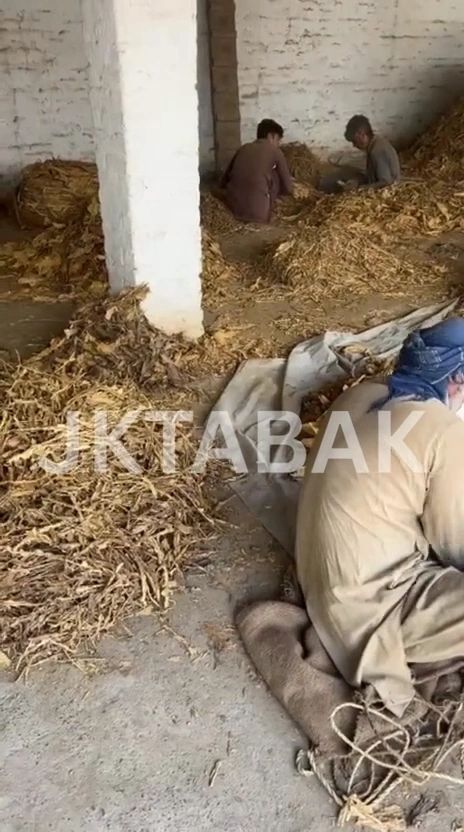
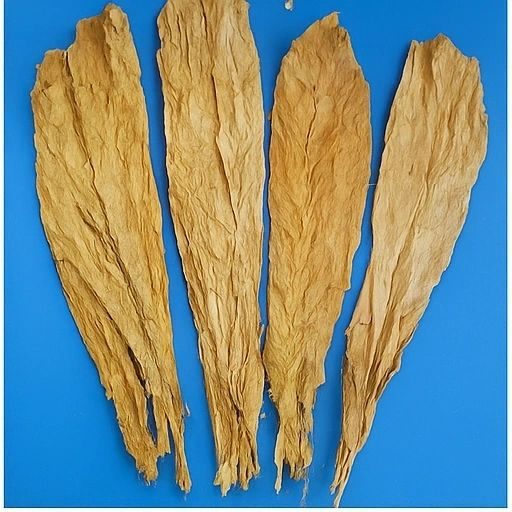
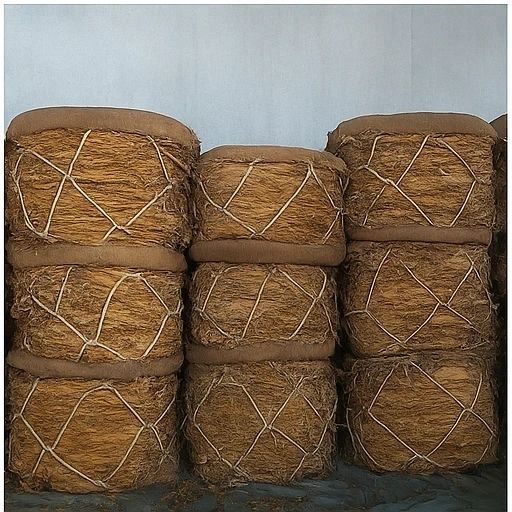
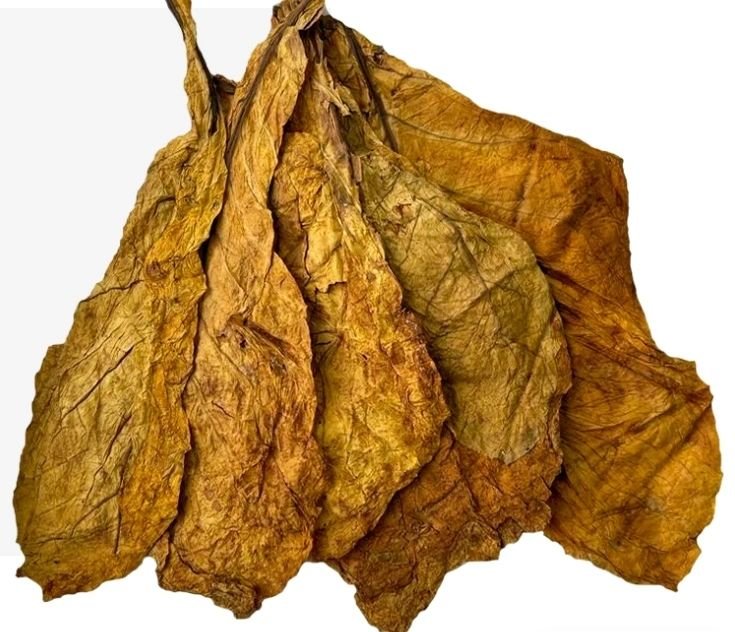
Pictures and clips of leaf we handle. For current photographs or video of a specific lot, ask us. The full sets are on the gallery and videos pages.