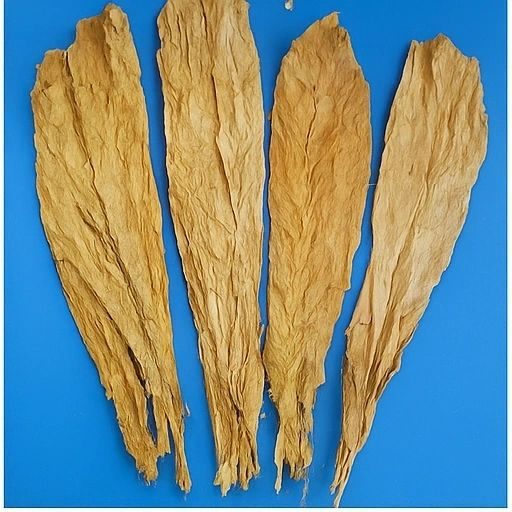
- Minimum order: 1 container (about 20 t)
- Ready to pack and ship
- Sample on request, where lawful
- Export documents supplied
Grades you can order now
| Grade | Form | Nicotine | Sugar | Available | $ / kg | |
|---|---|---|---|---|---|---|
| MMO | Loose leaf | 2.5% | 13–15% | 50 t | 8.10 | Order |
| MML | Loose leaf | 2.5% | 9–11% | 50 t | 8.35 | Order |
| NDB | Loose leaf | 2.5% | 7% | 50 t | 8.20 | Order |
| NDB | Strips | 2.5% | 9–11% | 180 t | 8.95 | Order |
| TND | Strips | 2.5% | 7% | 180 t | 8.10 | Order |
| MML | Strips | 2.5% | 9–11% | 200 t | 8.95 | Order |
Before you order: what to know and what to check.
Understanding raw tobacco leaf
What “raw tobacco leaf” means
People use the phrase for different things. To some it is green leaf straight from the field. To most manufacturers it means cured, unmanufactured leaf: dried, graded and packed, but not yet cut, cased, blended or flavoured. That is what we sell, as whole leaf or as stemmed strips.
If you need uncured green leaf, tell us in your first message. It is a different product with a very different shelf life and shipping profile, and we would rather say no early than sell you the wrong thing.
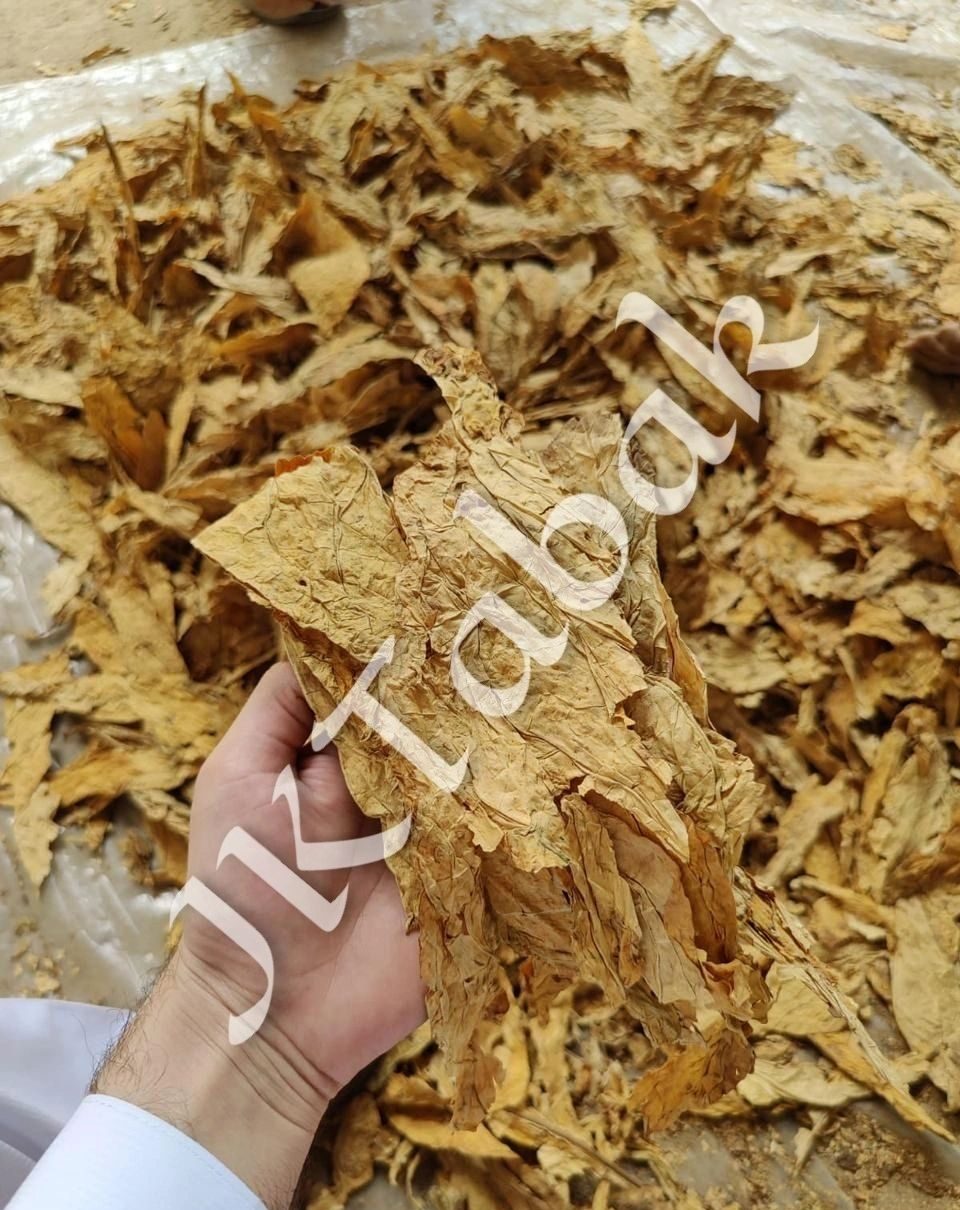
The curing method decides most of the character
Once leaf is cured it keeps the traits that curing gave it, so the type of tobacco you buy is largely a question of how it was dried.
| Type | How it is cured | What that gives you | Typical use | Page |
|---|---|---|---|---|
| FCV / Virginia | Flue-cured: barn heated in stages over several days | Light colour, high sugar, medium nicotine | Cigarettes, RYO, shisha base | FCV leaf |
| Burley | Air-cured in ventilated barns, no heat | Low sugar, usually higher nicotine, absorbs casing | Cigarette, pipe and RYO blends | Burley |
| Oriental | Sun-cured | Small leaf, strong aroma | Aroma component in blends | Oriental |
| Dark air-cured | Air-cured | Dark, full-bodied, low sugar | Chewing, snuff, hand-rolled, cigar filler | Dark air-cured |
| Rustica | Sun-cured | A different species from the others | Specialist blends | Rustica |
| Cigar leaf | Air-cured, then fermented | Wrapper, binder or filler roles | Cigar manufacture | Cigar leaf |
| Shisha base leaf | Mostly flue-cured, high sugar | Sweet, holds moisture and flavour | Molasses tobacco | Shisha leaf |
Forms: how much processing has been done
| Form | What you receive | Pick it if | Page |
|---|---|---|---|
| Loose leaf | Cured leaf, stem still in | you stem, cut and condition in your own plant | Loose leaf |
| Hand-stemmed | Midrib removed by hand | you want bigger lamina pieces and close selection | Hand-stemmed |
| Machine-stemmed | Midrib removed by machine | you run large volumes and want even strip size | Machine-stemmed |
| Strips | Lamina with most stem removed | you want less preparation before cutting | Strips price list |
| Scraps and stems | Small pieces and stem material | you reprocess or make reconstituted sheet | Scraps and stems |
| Blends | Several grades mixed to a target | you need the same mix on every order | Blends |
Grading, chemistry and specifications
How leaf is graded
No single number says whether a lot is good. Graders and buyers look at several things together:
- Stalk position. Leaf from the bottom of the plant (lugs) is thin and light; leaf from the top is heavier and carries more nicotine. Two lots of the same colour can behave very differently for this reason alone.
- Colour and uniformity. Colour is the first thing you see, and the least reliable on its own. What matters is whether it is even across the lot.
- Maturity and cure. Under-ripe or unevenly cured leaf stores badly and tastes harsh when processed.
- Body. Thin, medium or heavy leaf. Different products want different body.
- Condition. Mould, dirt, insect damage, foreign matter, breakage, and leaf that is too dry or too wet.
We describe our own lots by measured values, shown in the loose, strip and scrap tables, rather than by adjectives.
Chemistry, and why a website figure is not a certificate
Depending on the product, a manufacturer may specify nicotine, natural sugars, moisture, chlorides, nitrogen or pH. These vary with variety, soil, weather, stalk position, curing and crop year, so a table on a website describes a lot in general terms and nothing more. If chemistry matters to you, ask for the test result for the lot you are being offered, check that it names that lot, and write an agreed tolerance into the contract. Laboratories commonly follow CORESTA recommended methods for tobacco analysis; ask which method was used.
What to check on a sample
We wrote a short, practical checklist for the hands-on part: how to check a leaf sample before you buy. In brief: smell it, bend it, feel the moisture, open more than one bag, and look for mould, stems and dust.
Write a specification, not “the best tobacco”
Two lots that look the same can behave differently once they are conditioned and cut. A useful enquiry names the tobacco type, the form, a grade or a nicotine and sugar target, moisture, the stem and fines you will accept, the quantity, the destination port and the trade term. If you are not sure how to write one for a blend, read how to specify a leaf blend. Commercial terms, packing and documents are on the wholesale terms page.
A short glossary of leaf terms
Suppliers use a lot of shorthand. These are the terms you will meet on this site and in most quotations.
| Term | Meaning |
|---|---|
| Lamina | The leafy blade of the tobacco leaf, without the central rib |
| Midrib or stem | The central vein of the leaf, removed in stemmed tobacco |
| Strip | Lamina that has been separated from the midrib |
| Scraps | Small pieces of lamina left over from processing |
| Fines and dust | Very small particles; usually a defect above an agreed limit |
| Lugs, cutters, leaf, tips | The four general positions on the stalk, from bottom to top |
| Cure | The drying process that turns green leaf into a stable product |
| Crop year | The harvest the leaf came from |
| E.V. | Equilibrium value, a moisture-balance indicator used on our lot sheets |
| FOB | Free on board: the seller loads the goods onto the ship; the buyer takes it from there |
| C48 box | The export carton we use for strips and scraps |
| Lot | A defined quantity of leaf of one grade, treated as one unit for sampling and testing |
Getting the buy right: logistics, price and common mistakes
How leaf gets from the field to your factory
- Growing and curing. The grower plants, tends and harvests the crop and cures it in barns.
- Buying and grading. The cured leaf is sorted into grades by colour, size, body and condition.
- Processing. It may be stemmed by hand or machine, re-dried and cooled.
- Packing and storage. Bagged or boxed, labelled by lot, and stored dry until it ships.
- Export. Packed into containers, cleared for export and loaded onto a vessel.
- Import and delivery. Cleared by customs in the destination country and delivered to your plant.
Each stage is a place where quality can be gained or lost, so a good supplier can tell you what happens at each of them. Our processing guide goes through them in detail.
What drives the price of leaf
- Type and grade. Cigar wrapper costs far more than scraps. Sweet, bright FCV usually costs more than a dark filler.
- Form. Stemmed leaf costs more than loose, because more work has been done on it.
- Crop quality and size. A poor season pushes prices up for good leaf.
- Packing and weight per package. Cartons and compressed bales differ in cost and in how much fits in a container.
- Freight and insurance, if you buy delivered rather than FOB. See FOB Karachi explained.
- Currency and shipping markets, which move for reasons outside anyone’s control.
Planning around the crop year
Leaf is labelled by the year it was harvested, and supply is seasonal. A buyer who plans purchases around the crop cycle usually has more choice and less pressure than one who buys late. Ask for the crop year of every lot, and if you need the same specification for a year or more, tell your supplier so lots can be reserved.
Mistakes buyers make
- Comparing prices without checking the form, the term or the crop year.
- Judging a lot by its colour alone.
- Accepting a test result that does not name the lot.
- Not agreeing limits for stem, fines and moisture.
- Ordering a container before testing a sample in the plant.
- Forgetting to check their own import licence and customs classification.
Where to go next
If you know your tobacco type, go to its page: FCV, burley, oriental, shisha, cigar, dark air-cured or rustica. If you know your form, use loose leaf, hand-stemmed, machine-stemmed, strips, scraps or blends.
Tobacco is harmful to health. JKTabak supplies tobacco leaf to licensed commercial buyers only (manufacturers, processors, importers and distributors). The buyer is responsible for confirming that import, purchase and resale of tobacco is lawful in the destination country.
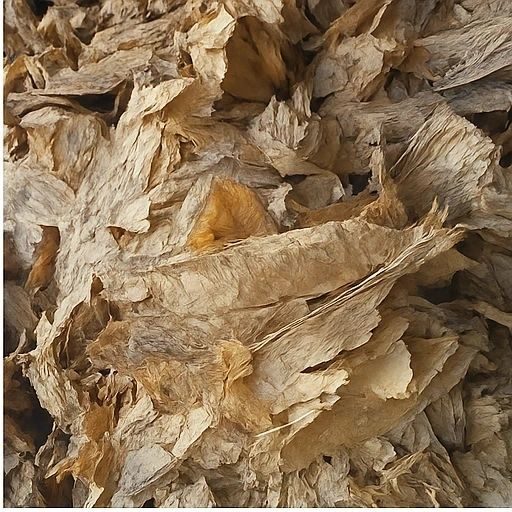
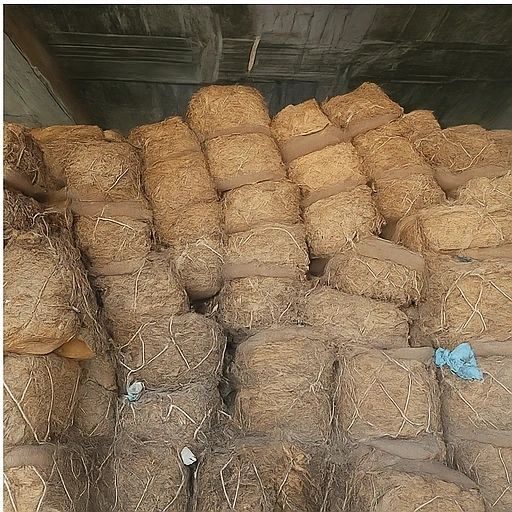
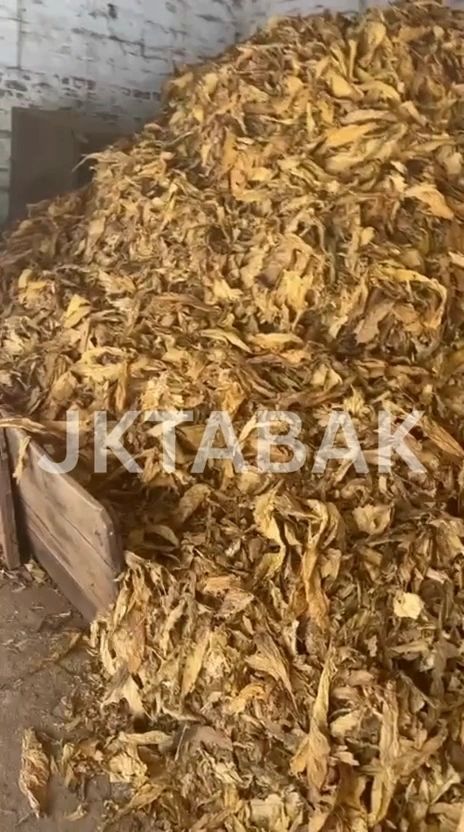
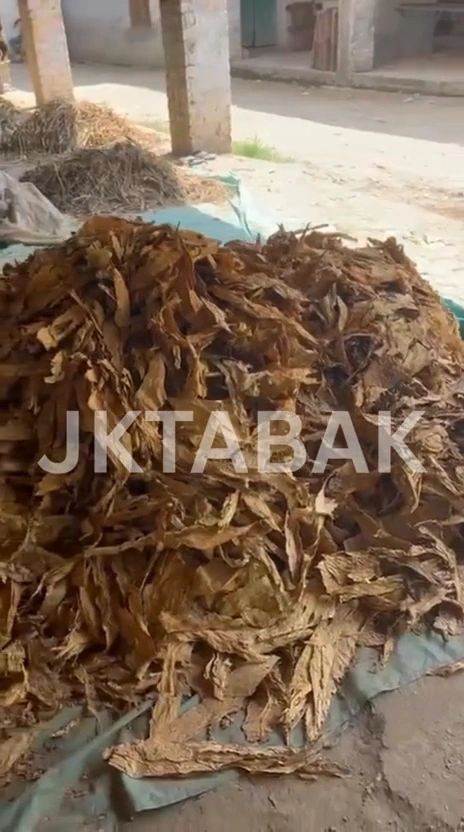
Photos and video from our lots
Pictures and clips of leaf we handle. For current photographs or video of a specific lot, ask us. The full sets are on the gallery and videos pages.